

In regions grappling with climate disasters and humanitarian crises, solar power kits have emerged as a vital resource for communities living without reliable electricity. These portable solar systems offer a lifeline for families in makeshift shelters, refugee camps, and disaster zones by enabling access to basic lighting and power.
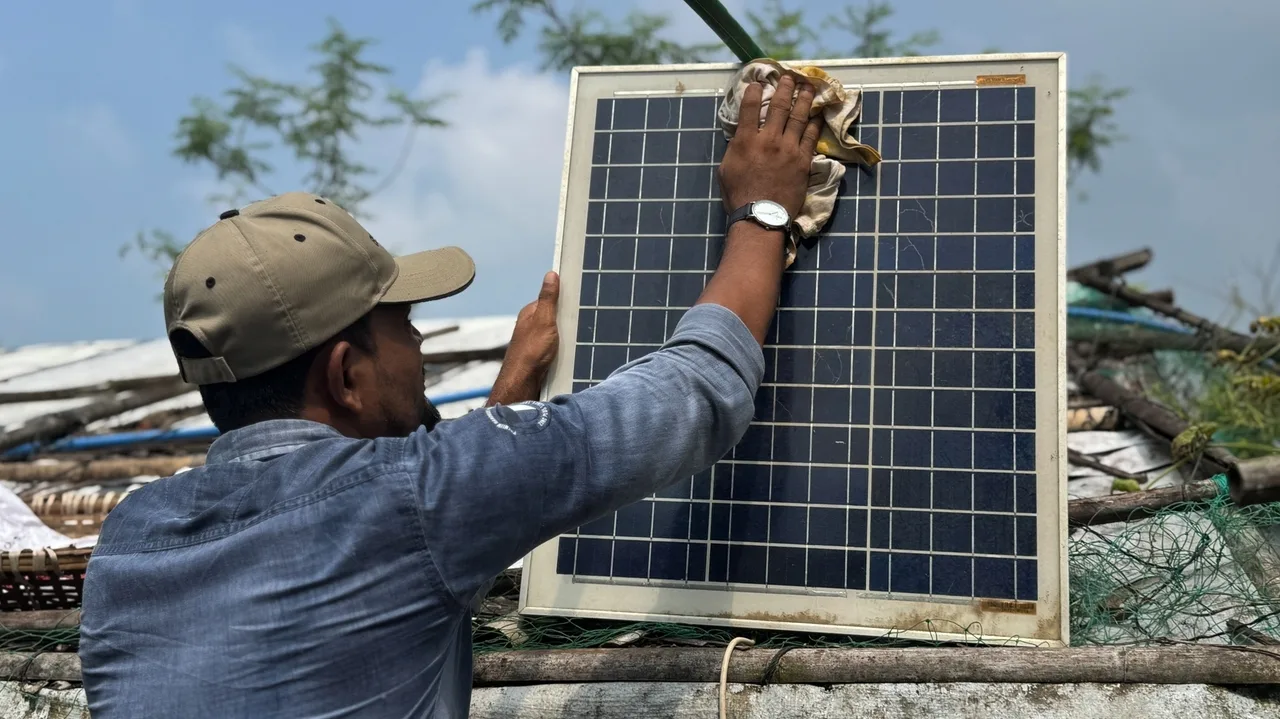
One beneficiary, Mohammed Saber, utilizes a compact solar panel atop his shelter composed of bamboo and tarpaulin to power his household. This setup supports daily needs and improves safety after dark, replacing unreliable or hazardous alternatives such as kerosene lamps. These kits have gained traction in areas where infrastructure is devastated or non-existent due to floods, storms, or ongoing displacement.

Organizations distributing solar kits have highlighted that their impact goes beyond lighting. They allow charging of mobile devices, essential for communication and access to vital information. Solar kits also aid healthcare delivery by powering refrigeration for vaccines and medicines in remote clinics. This decentralized energy approach is proving especially crucial in refugee camps housing populations displaced by conflict or natural disasters.
The technology behind these solar kits typically includes a panel, a battery unit, and basic electrical outlets to connect lighting or phone chargers. They are designed for easy installation and maintenance, making them suitable for harsh environments and non-technical users. With climate-induced emergencies on the rise, solar energy is becoming an increasingly effective solution to bridge energy gaps where conventional grids fail.
Access to clean, affordable energy sources like solar power not only improves daily living conditions but also supports public health and economic opportunities. As more agencies incorporate solar technologies into disaster response and humanitarian aid, these kits represent a practical, sustainable response to complex energy challenges faced by vulnerable communities worldwide.