

OpenAI is preparing to enter the consumer hardware arena with a smart speaker designed to act as an always-on AI companion. Unlike existing smart speakers with screens or fixed placements, OpenAI’s device aims to be movable and screen-free, providing voice interaction, media playback, smart-home control, and messaging capabilities, all powered by its advanced language models.
The company is developing this product to leverage the conversational strengths of ChatGPT, presenting it as a “new type of home computer for the AI era.” It promises a more humanlike AI presence capable of executing household commands, answering complex questions, and managing information flow. According to reports, the device may also include cameras for environmental awareness and facial recognition, features aimed at enhancing usability and potentially enabling purchases.

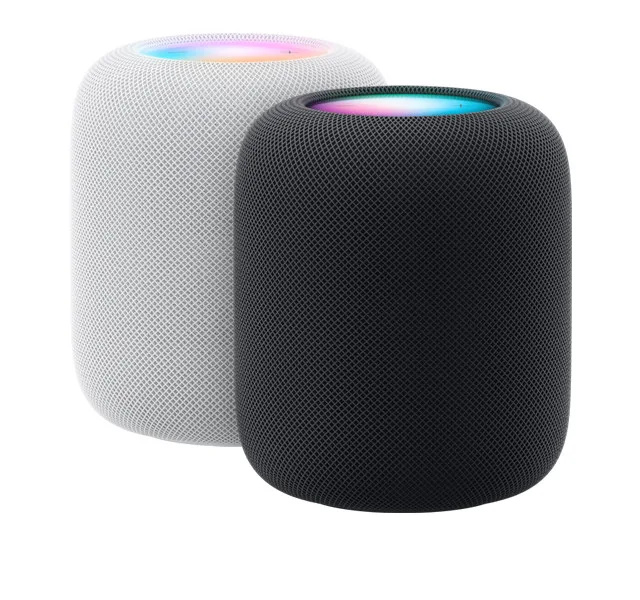
However, OpenAI’s entry comes into a market long dominated by tech giants. Amazon pioneered the smart speaker category in 2014 with the Echo and Alexa, transforming a simple voice assistant into a sprawling smart-home ecosystem that controls lighting, thermostats, and locks with ease. Google followed with Google Home and Nest Audio, combining powerful search capabilities with natural language understanding to provide comprehensive household support. Apple joined the competition later, emphasizing premium sound quality and seamless integration with its ecosystem through the HomePod and HomePod mini.
By the time OpenAI likely launches its device around 2027, smart speakers will have been mainstream for over a decade. Core functions like voice commands, media streaming, and home automation are now standard expectations. Current leaders continue innovating, incorporating AI advancements such as Google’s Gemini and Amazon’s generative AI improvements in Alexa.
OpenAI’s challenge will be to differentiate through richer AI conversations and a mobile, screen-free design. While other smart speakers often include cameras and environmental sensors, OpenAI’s approach could push further integration of AI understanding to create a uniquely adaptive and interactive experience. Still, the product enters a competitive field where Amazon, Google, and Apple maintain significant market share and user loyalty.