

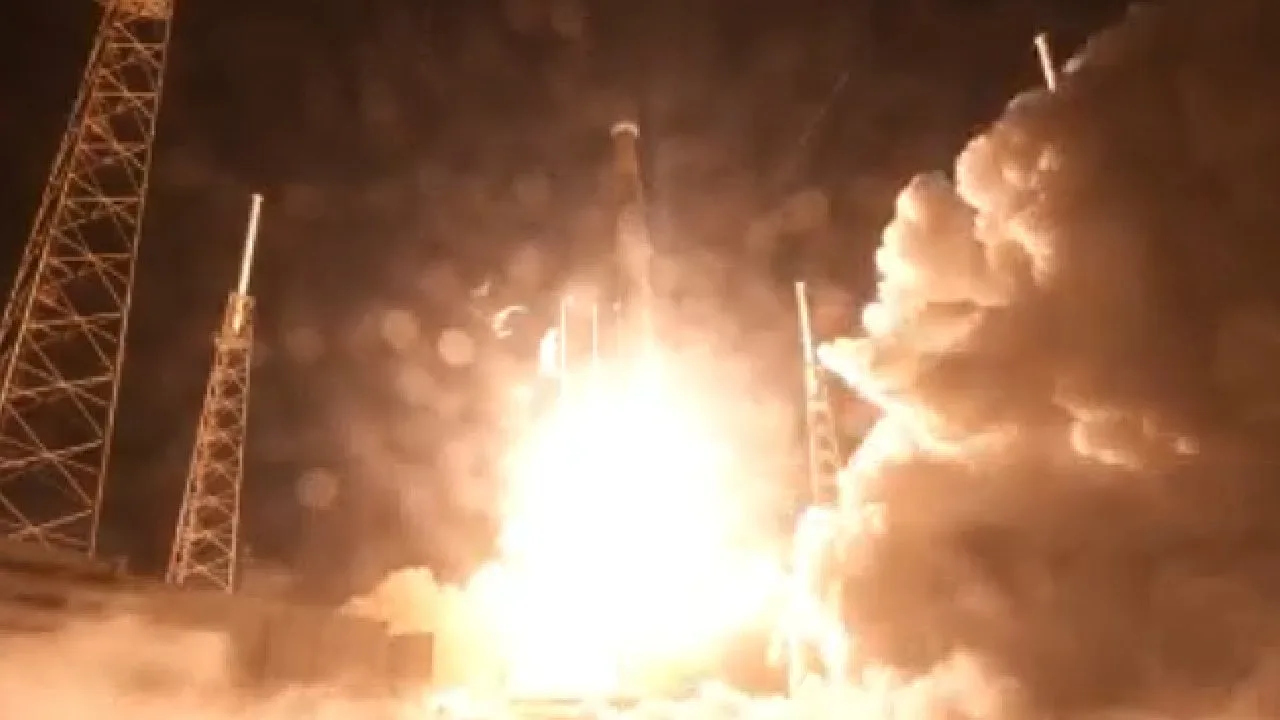
SpaceX deployed 29 new Starlink satellites from Cape Canaveral Space Force Station, marking another step in its effort to build a global broadband network. The Falcon 9 rocket lifted off from Space Launch Complex 40 in the morning, with satellites expected to separate around an hour into the flight.
The mission utilized a first-stage booster on its 12th flight, continuing SpaceX’s strategy of reusing hardware to reduce costs. After booster separation, it safely landed on the droneship “A Shortfall of Gravitas” stationed in the Atlantic Ocean. This launch was part of a larger campaign that will soon include another Starlink deployment from California’s Vandenberg Space Force Base.

Starlink’s constellation aims to provide high-speed internet access worldwide, targeting streaming, video calls, gaming, and remote work even in rural or hard-to-reach areas. Subscription plans on Starlink’s website range from $55 to $130 monthly, with a 30-day trial option available for users interested in testing the service.
SpaceX, founded by Elon Musk, has pioneered reusable rocket technology, allowing Falcon 9 boosters to return for multiple flights. Since its inception, the company has completed hundreds of missions and landings, including transporting crew to the International Space Station. The Starlink project represents a significant commercial and technological initiative to bridge connectivity gaps across the globe.
The next scheduled Starlink launch will deploy 24 satellites from Vandenberg, continuing SpaceX’s aggressive launch cadence to grow its satellite network rapidly.