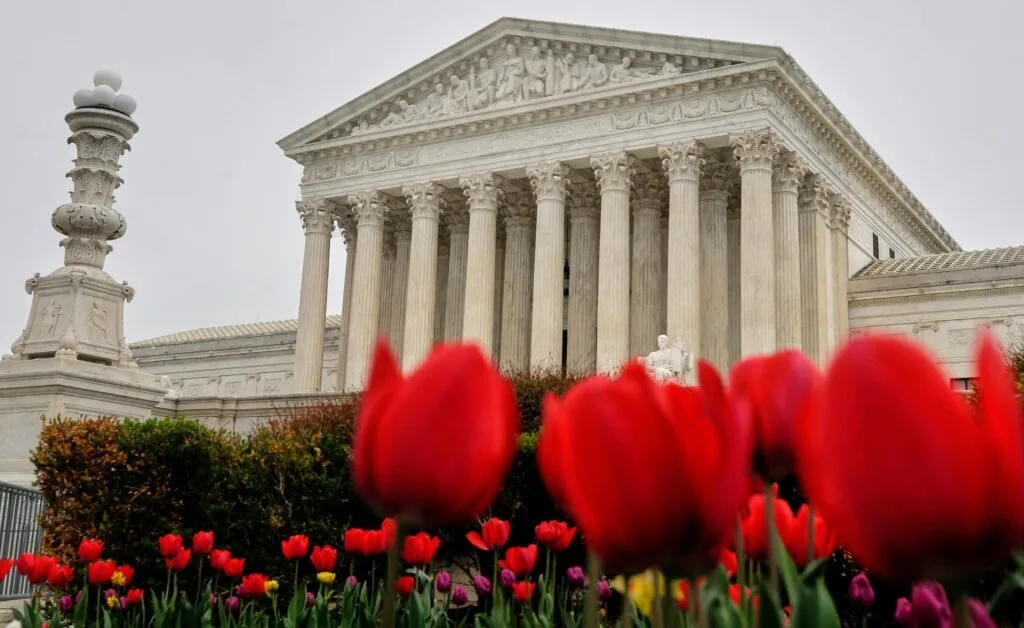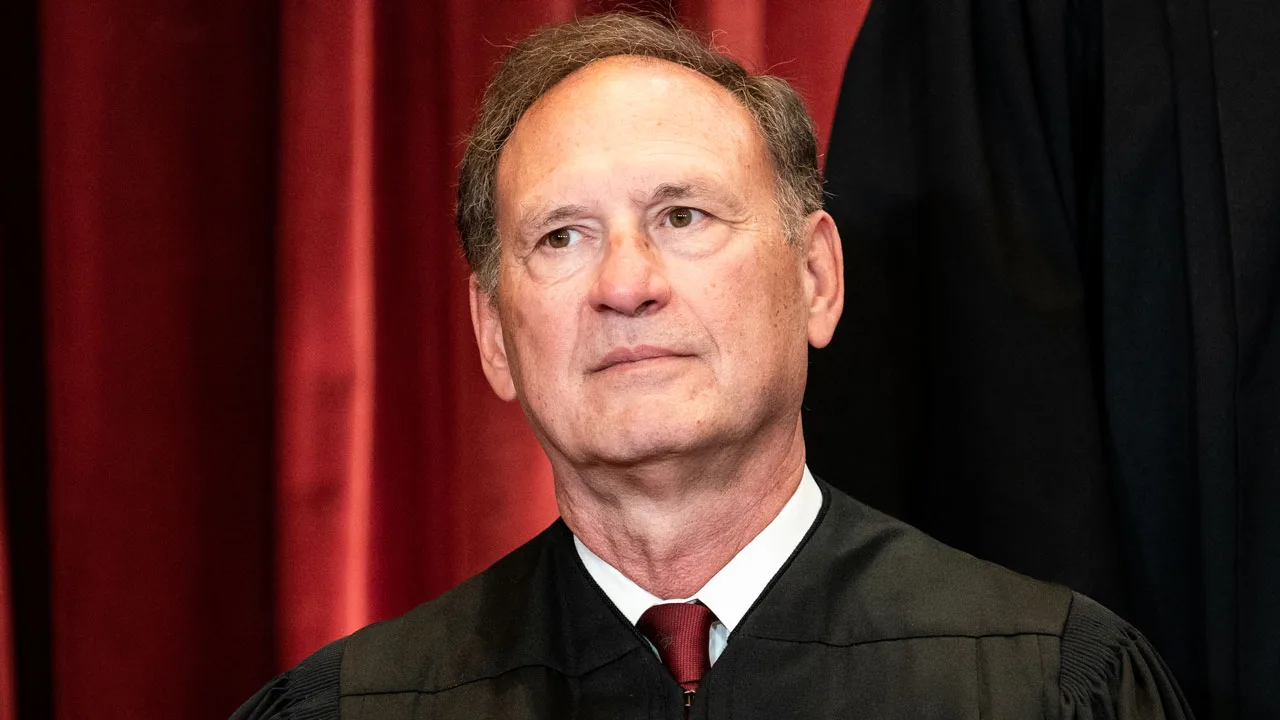
In a recent interview, conservative editor and author Mollie Hemingway reflected on protests at the Supreme Court during Justice Brett Kavanaugh's confirmation and the broader dynamics of judicial politics. She described the scene when Justice Alito moved into former Justice Anthony Kennedy's chambers, noting that demonstrators gathered at the court building and attempted to damage its doors while broadcasting messages through improvised audio systems.
Hemingway argued that the judicial branch faces unprecedented political pressure, despite constitutional protections designed to insulate justices from partisan influence. She contrasted the executive and legislative branches, which are subject to electoral accountability, with the judiciary, where justices hold lifetime appointments and protected salaries. According to Hemingway, the political left has developed networks designed to exploit this independence, treating the courts as targets for political mobilization.
The conversation shifted to Justice Alito's judicial philosophy and public profile. Hemingway characterized Alito as "the conservative" on the court, distinguishing his approach from the originalism associated with Justices Thomas and Scalia. She noted that despite his prominence among legal professionals, Alito remains relatively unknown to the general public because he avoids the public visibility sought by other justices.
Hemingway cited Alito's dissent in the Bostock case as exemplary of his jurisprudence. She criticized Justice Gorsuch's majority opinion in that case, arguing it misinterpreted the Civil Rights Act. Alito, she said, "calls him out—and quite beautifully" in his dissent while maintaining collegial relations with Gorsuch.
According to Hemingway, even Alito's fellow justices expressed surprise at the lack of public attention to his work. She described him as someone who works "humbly, keeps his head down," in contrast to justices who seek public prominence. Conservative attorneys in Washington, she noted, have long recognized Alito's judicial importance, even as broader commentary has focused on other originalist justices.