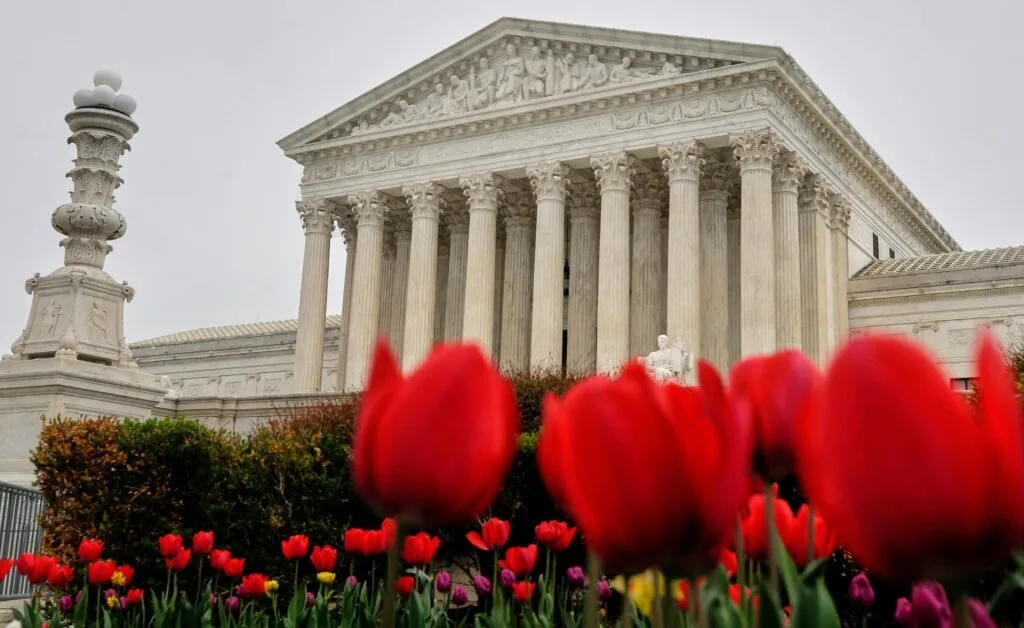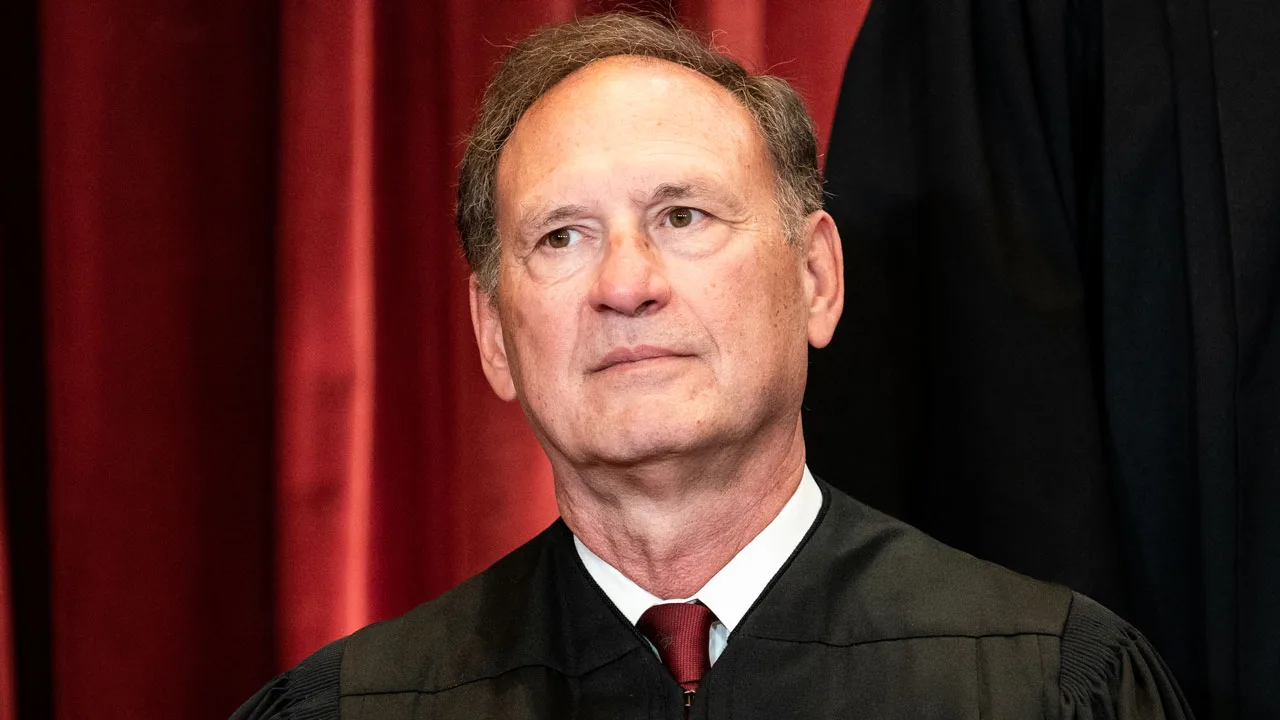
The U.S. Supreme Court issued a Wednesday decision that weakens a landmark Civil Rights-era voting protection, effectively removing a requirement that congressional districts be drawn to give minority voters a chance to elect representatives of their choice. The ruling handed Republicans their biggest victory yet in the ongoing battle to control the House of Representatives and statehouses across the country, though the decision may have arrived too late to substantially reshape this year's midterms.
Under the previous mandate, states had to protect reliably Democratic-voting majority-minority districts, even in solidly Republican states where lawmakers could otherwise favor the GOP. With that requirement largely eliminated, Republican lawmakers—particularly in the South—now have greater flexibility to eliminate Democratic-leaning districts and increase the number of seats they can win. Republican leaders immediately began urging reviews of congressional maps in Alabama, Louisiana, Tennessee, and elsewhere.
The practical challenge for Republicans lies in timing. The ruling came well after filing deadlines for this year's primary elections, and in some states after primaries have already been held. Ballots are already set, and in certain states early and absentee voting has commenced, making it difficult to redraw maps before Election Day. In Louisiana—the state whose case prompted Wednesday's decision—the primary for federal offices is scheduled for May 16, with early voting beginning Saturday.
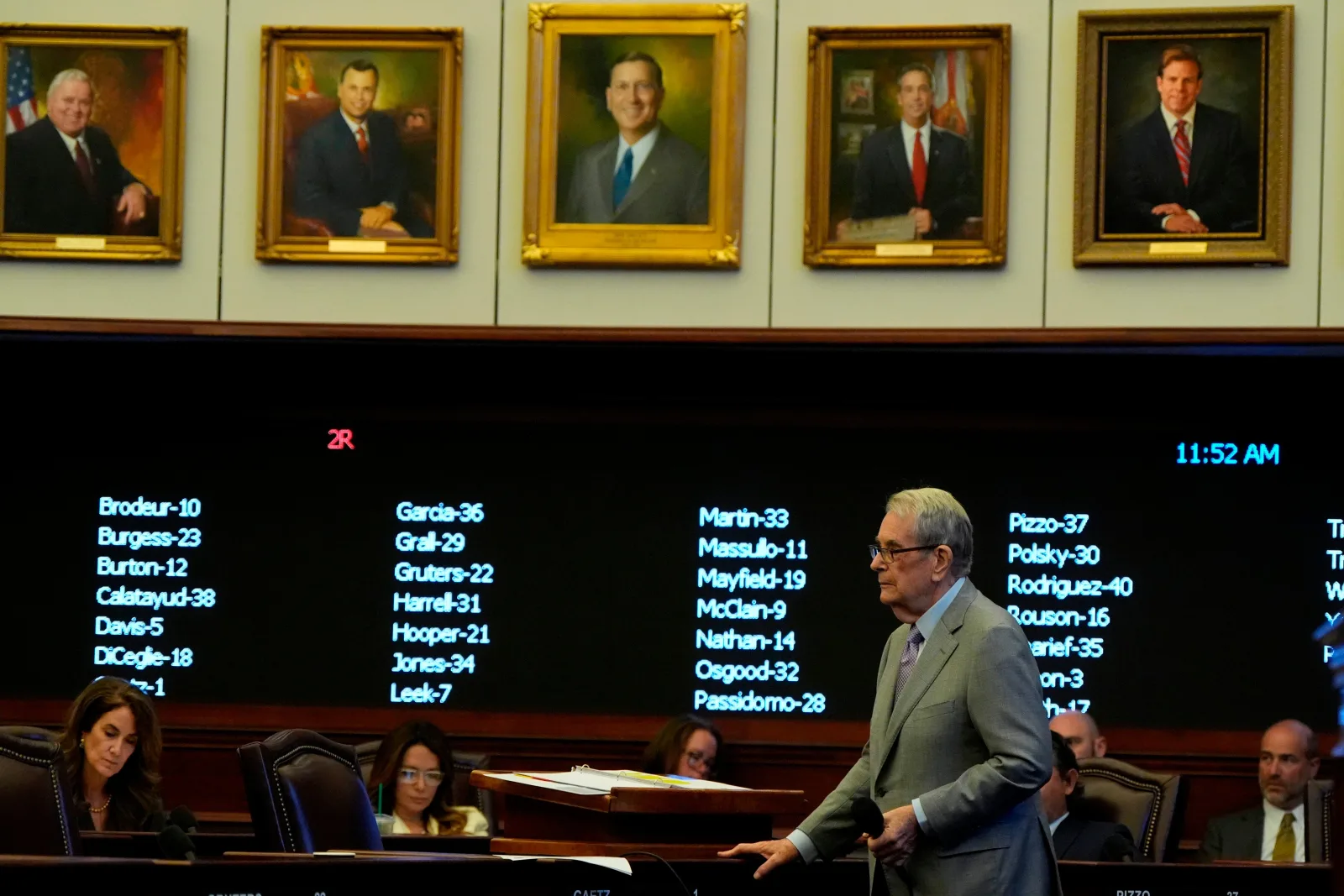
Florida emerged as the only Republican-controlled state with a relatively clear path to gaining seats from the decision before the midterms. Governor Ron DeSantis called a special session to adopt a new map that could provide his party four new winnable House seats, having anticipated the Supreme Court ruling and scheduled the state's primary for August.
Republican politicians moved quickly to capitalize on the opportunity. Rick Jackson, a GOP governor candidate in Georgia, urged an immediate redraw despite ongoing voting for the May 19 primary, stating "There is no time to waste." Senator Marsha Blackburn, running for the GOP gubernatorial nomination in Tennessee, called for redrawing that state's congressional map to replace its sole majority-Black Democratic seat with one more favorable to Republicans.
Democrats condemned the decision. Former Attorney General Eric Holder, chairman of the National Democratic Redistricting Committee, said the ruling would allow "Supreme Court-sanctioned racial and partisan gerrymandering," adding that Republican leaders seek to "retain illegitimately obtained power" through the decision.
Republicans countered that Democrats had long used the Voting Rights Act to secure winnable districts for Black voters in Republican-leaning states. Adam Kincaid, executive director of the National Republican Redistricting Trust, called the decision a rebuttal to "divisive and unconstitutional effort" masquerading as civil rights protection.
In the longer term, the ruling clears the way for substantial reshaping of the nation's political geography by the next presidential election in 2028. Jonathan Cervas, a political scientist at Carnegie Mellon University, stated that "The Voting Rights Act as a means to protect minority voters from vote dilution is essentially dead."
Thomas Johnson, a Black voter in New Orleans, expressed concern that his majority-Black congressional district could now be divided by the state's Republican legislature. "We are going to do all we can and continue fighting so our voices are heard," he said. "That's all we want, to be heard."