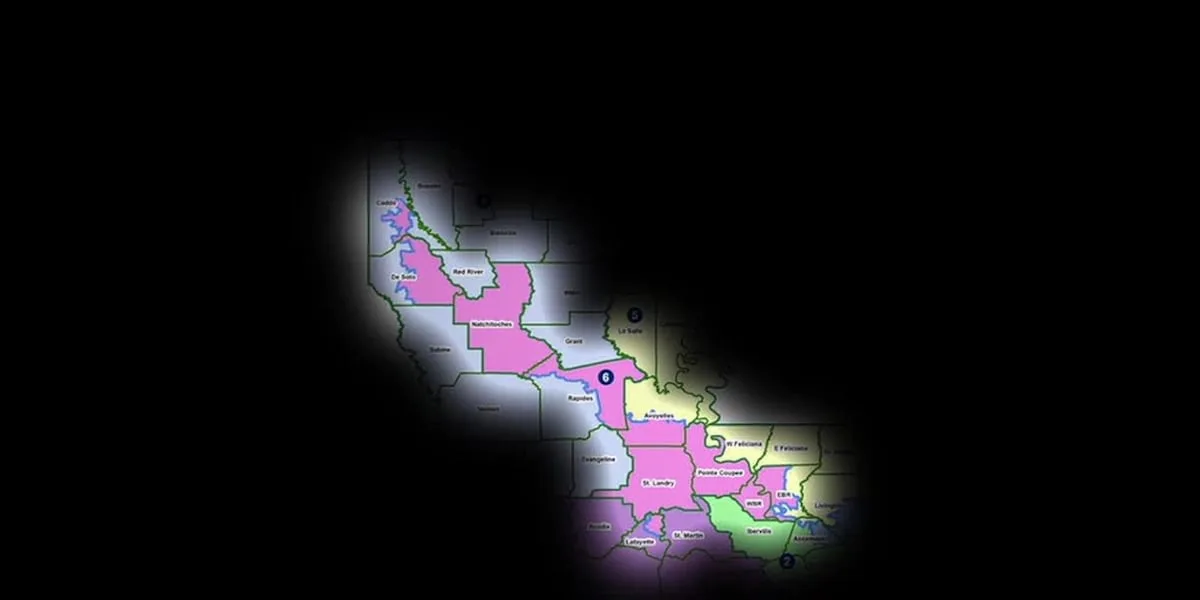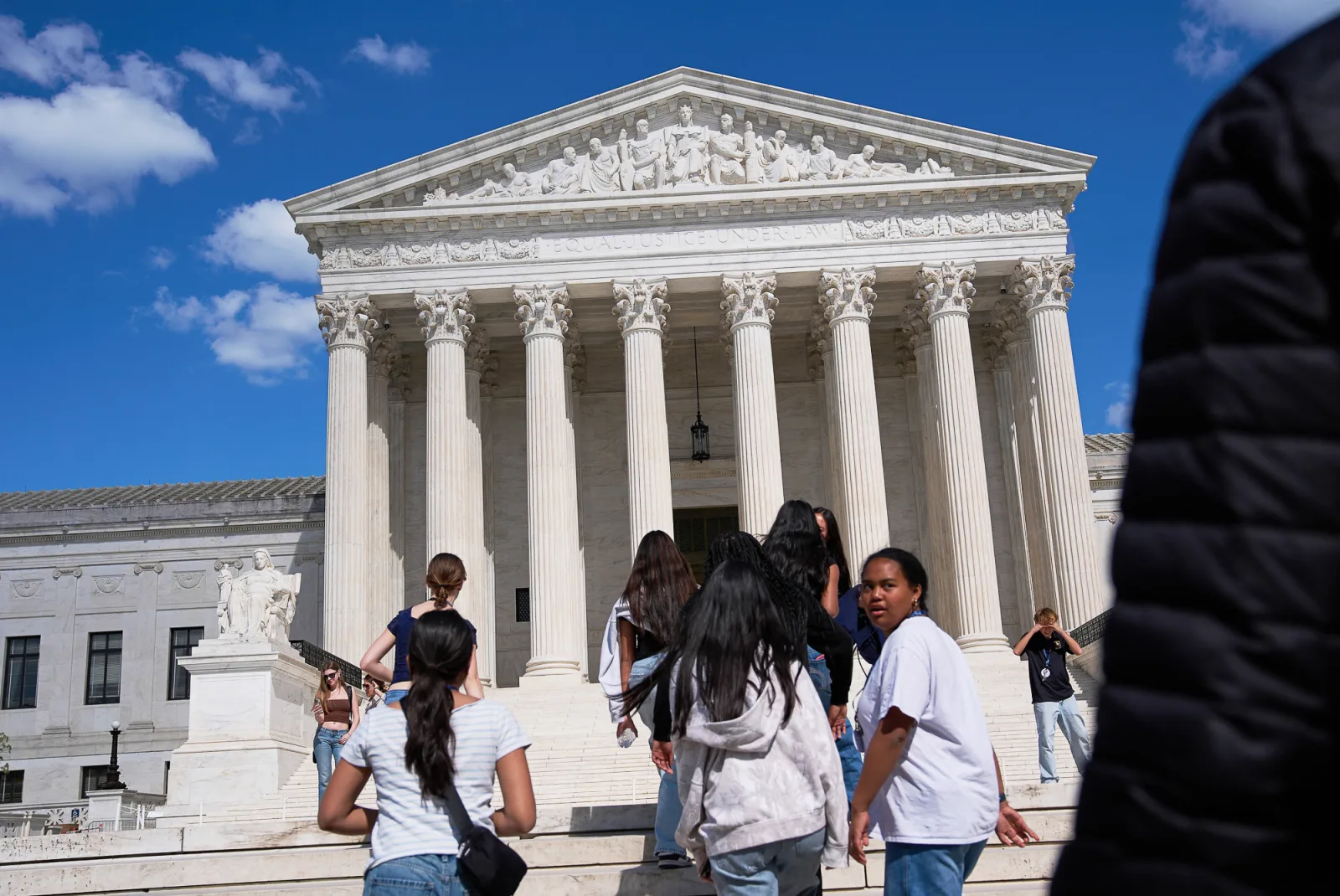
Louisiana Governor Jeff Landry, a Republican, has suspended all six congressional primaries set for May 16 following a 6-3 Supreme Court ruling that significantly curtailed voting rights protections. Absentee ballots had already been distributed to voters, and early voting was scheduled to begin Saturday before the suspension took effect.
The Supreme Court decision in Callais v. Louisiana effectively narrowed Section 2 of the 1965 Voting Rights Act, the primary federal safeguard against racial gerrymandering. The ruling now requires plaintiffs to demonstrate intentional discrimination to challenge electoral maps—a standard that civil rights attorneys have characterized as extremely difficult to satisfy.

The decision has prompted rapid shifts across multiple states. Florida has already adopted new congressional maps that analysts project could deliver four additional Republican House seats. Georgia, Texas, and Tennessee are pursuing similar redistricting efforts. Congressional observers have warned that the Congressional Black Caucus could lose nearly a third of its seats as a result of these map changes.
President Donald Trump commented on the development through social media, thanking Louisiana's governor for acting expeditiously. The confluence of the court ruling and the subsequent state-level responses represents a pivotal moment in federal voting rights enforcement, marking a substantial departure from decades of Voting Rights Act jurisprudence.