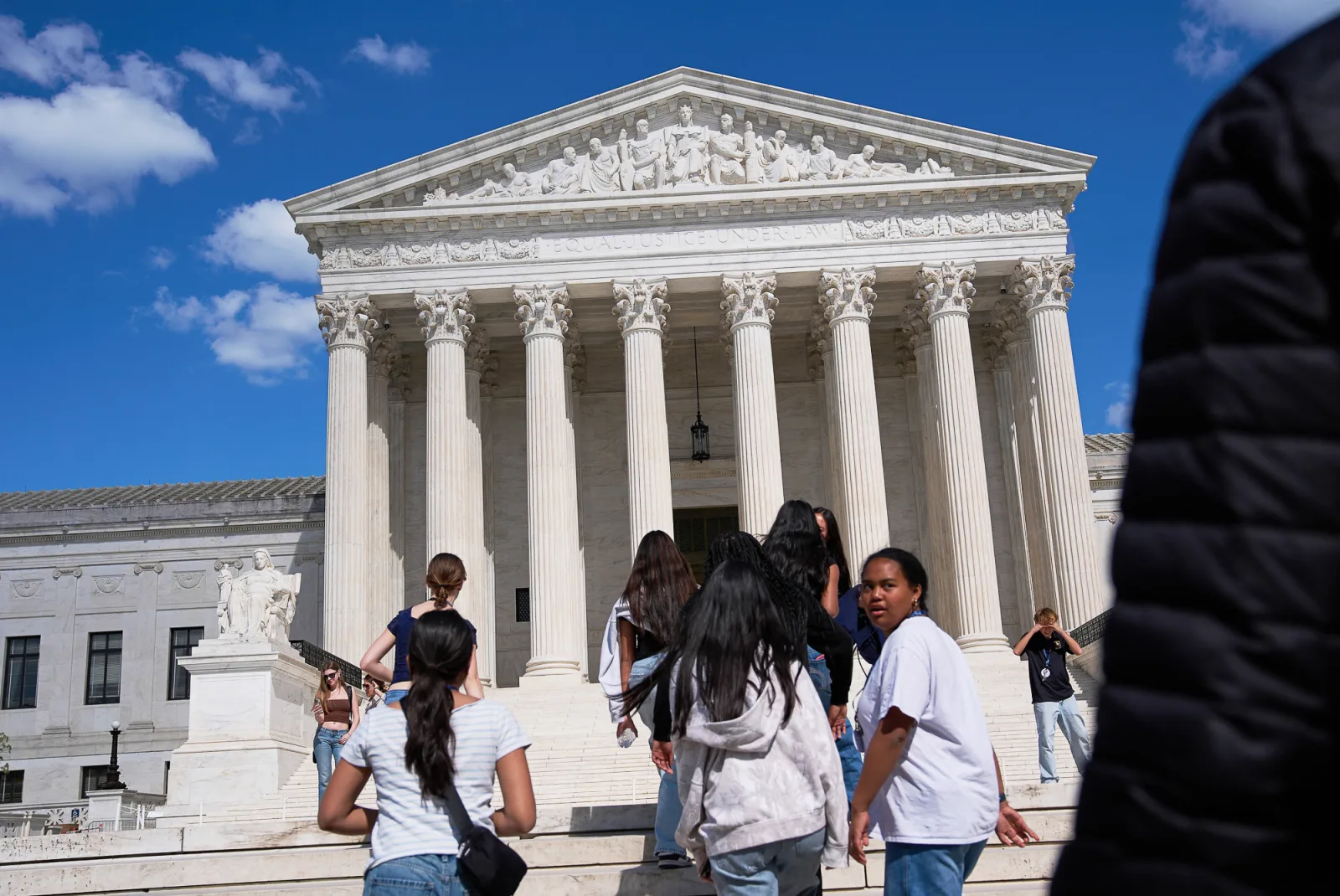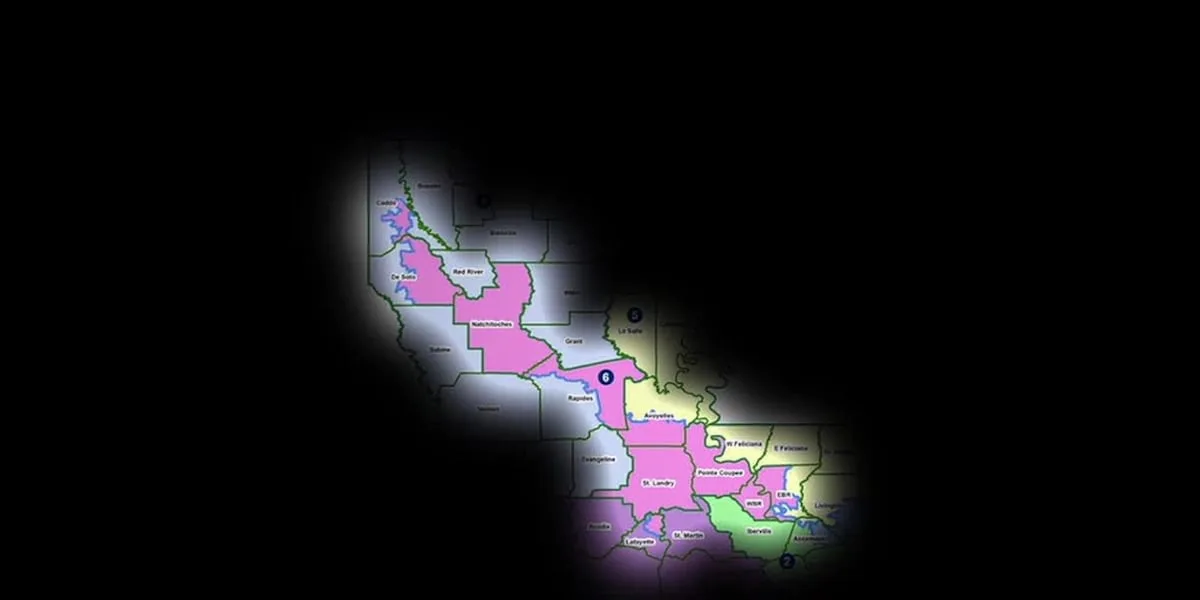
The suspension came one day after the U.S. Supreme Court ruled that Louisiana had relied too heavily on race when drawing a new electoral map that created a second Black majority district. The conservative majority determined the approach violated constitutional standards. Early voting for other races, including a contested U.S. Senate election, begins Saturday, May 7.
Louisiana Senate President Cameron Henry indicated the Legislature would not need to convene a special session to redraw district boundaries. Members have already pre-filed bills in anticipation of such a scenario, he said, allowing the work to proceed during the regular legislative session alongside other state business and budget matters. Henry estimated the new electoral map bills would reach the Senate Governmental Committee within two to three weeks.

The changes have triggered immediate concerns among voting rights organizations. The national, state, and New Orleans branches of the League of Women Voters cited voter confusion as a primary worry. Rosalind Blanco Cook, president of the League of Women Voters, warned that turnout could suffer significantly. "They're not quite sure which elections are going to take place, where they're going to take place and I think it will diminish turnout," Cook said. She expressed concern that confusion might discourage participation altogether.
Louisiana Secretary of State Nancy Landry announced that notices would be posted at early voting locations to inform the public of the change. Although House races will remain on ballots, any votes cast in those races will not be counted.
The Supreme Court's decision specifically struck down the electoral map for the 6th Congressional District, represented by Democratic Representative Cleo Fields. However, Representative Troy Carter, a New Orleans Democrat representing the second Black majority district, indicated his own seat could face jeopardy depending on how districts are redrawn.
Henry acknowledged the possibility of combining Carter's and Fields' districts into a single seat, which would force the two congressmen to run against each other if they choose to do so. "So that will not be a pleasant experience either," Henry said. He also predicted legal challenges would follow whatever course of action the governor takes, calling litigation "realistically" inevitable.