

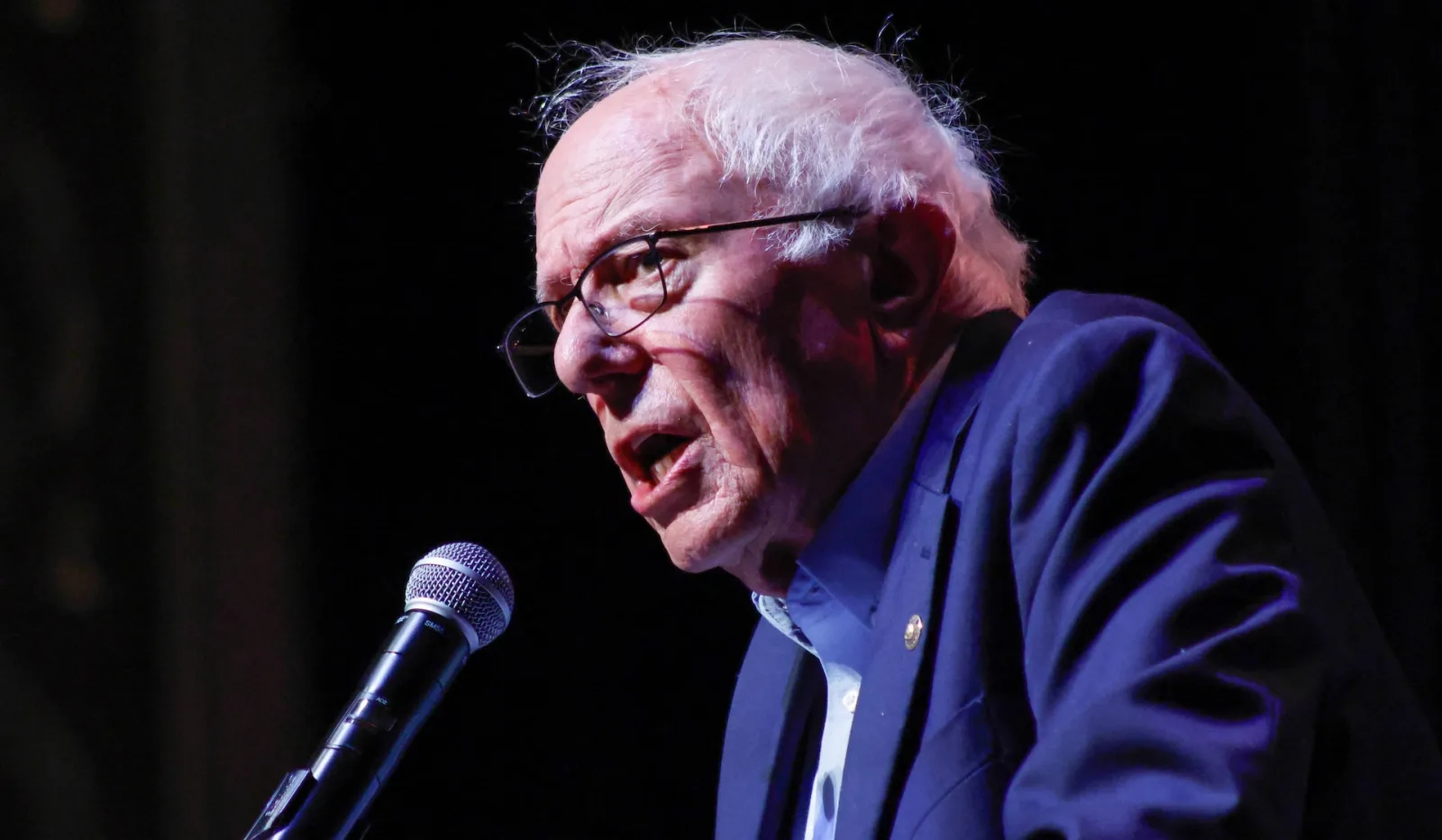
Senator Bernie Sanders sharply criticized Microsoft after the tech giant announced a significant price increase for its Xbox gaming console alongside layoffs affecting thousands of employees. He argued these actions reveal how corporate profits and tax incentives often fail to benefit workers or consumers.
Sanders pointed out that despite Microsoft's substantial profits last year and a hefty tax break, the company responded by raising the Xbox price by $150 and cutting 3,200 positions. He challenged the notion that corporate tax breaks lead to job creation, describing the claim as misleading and disconnected from reality.

This is not the first time Sanders has targeted Microsoft over gaming industry practices. Previously, he joined other senators in criticizing the lucrative exit package awarded to Activision Blizzard’s former CEO following Microsoft’s acquisition of the company. The backlash reflects wider public frustration over corporations that enjoy large profits and tax benefits while increasing consumer costs and reducing their workforce.
The implications extend beyond the gaming community. Large-scale layoffs disrupt local economies and jeopardize household incomes, while higher prices challenge families already burdened by rising living expenses. Critics also highlight concerns about corporate accountability and market concentration, issues previously raised during the FTC’s regulatory scrutiny of Microsoft’s merger with Activision Blizzard.
Sanders’ stance on Microsoft forms part of a broader campaign targeting major tech firms, advocating for increased regulations and changes to how data centers and artificial intelligence projects are managed. Meanwhile, regulatory bodies like the Federal Trade Commission have repeatedly sought to block or delay Microsoft’s acquisition efforts, although without successful legal outcomes.
The debate underlines ongoing tensions between corporate profit motives and the social responsibilities of large companies in the tech sector, especially as policymakers and the public demand more equitable economic practices.