

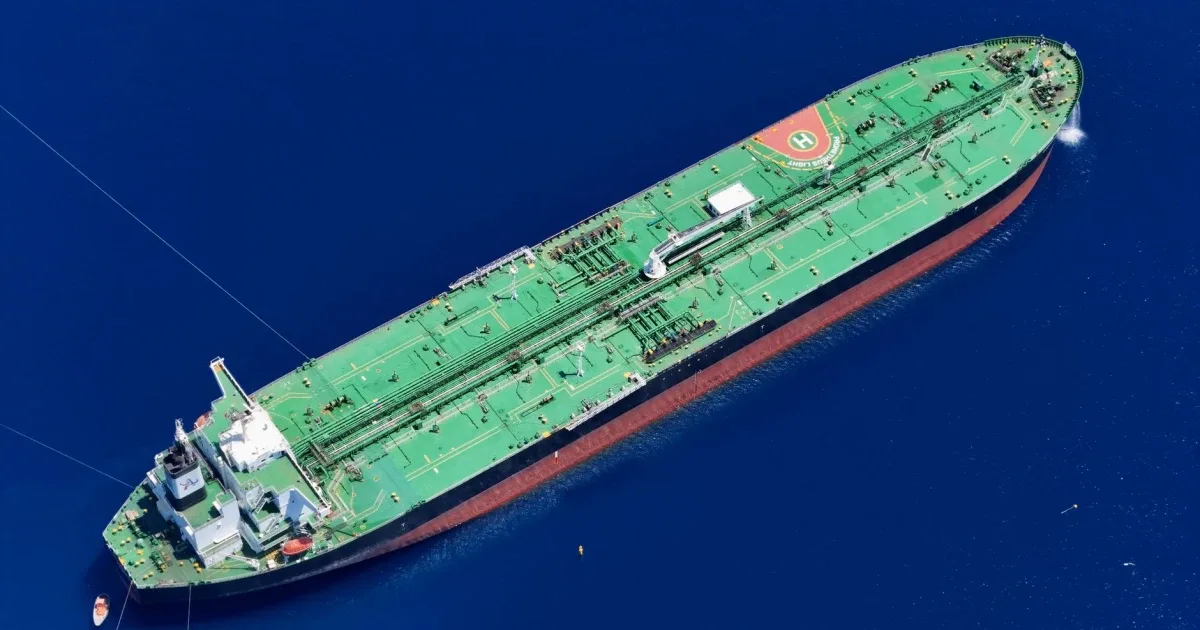
Fresh strikes between US and Iranian forces near the Strait of Hormuz triggered an immediate rise in oil prices and a decline in US stock futures, reflecting investor concerns about supply disruptions along this vital energy corridor. The waterway carries roughly a quarter of the world’s seaborne oil trade, making any conflict in the region particularly sensitive for global markets.
The recent military escalation emerged after Iran attacked a commercial tanker in the strait, prompting the US military to strike approximately 140 Iranian targets. Iran countered with retaliatory strikes against US positions in the area. These developments intensified worries over the security of the route, which handles about 20 million barrels of crude oil and oil products daily.

Energy futures had already rallied sharply when the tanker attack occurred, with Brent and US crude prices rising around 3%. Traders remain alert to any threat to tanker traffic through the Persian Gulf and Gulf of Oman, as even temporary disruptions can ripple quickly through fuel markets and investor sentiment.
The Strait of Hormuz is geographically constrained, narrowing to about 29 nautical miles with two-mile-wide shipping channels separated by buffer zones. This limited space leaves few alternatives for rerouting if tanker transit is interrupted. The International Energy Agency considers Hormuz one of the world’s most crucial oil transit chokepoints.
Beyond oil price volatility, the clashes affect broader economic concerns. Households may soon face higher fuel costs, which can weigh on spending. Retirement funds linked to broad equity indexes are also vulnerable to stock market downturns sparked by this geopolitical tension. Furthermore, ongoing disruptions contribute to delays in commercial shipping and liquefied natural gas operations, complicating global energy supply chains.
According to recent data, shipping volumes through the strait rose following a memorandum of understanding aimed at reopening the route, yet production shut-ins remained significant. Reduced oil inventories mean rebuilding buffers will take time, adding to market sensitivity over the conflict’s impact.
For now, financial markets treat the strikes largely as a short-term shock rather than a permanent shift, but the evolving situation tests how regional tensions might reshape inflation pressures, interest rate outlooks, and energy availability worldwide.