

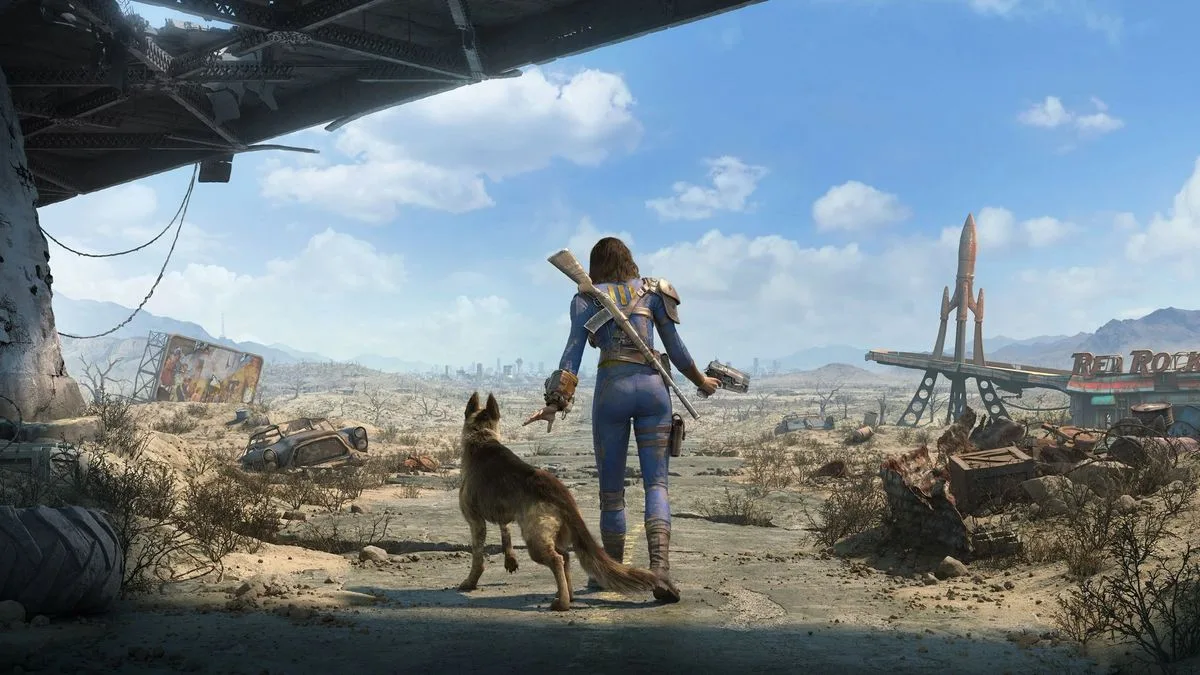
Microsoft’s Xbox division has launched a sweeping round of layoffs affecting thousands of employees across its studios, with Bethesda Game Studios among those hit hardest. This wave includes both immediate and planned cuts over the next year, targeting numerous development teams within Xbox and ZeniMax Media’s portfolio.
The layoffs encompass thousands of positions, with Xbox alone seeing approximately half of the cuts now and the remainder scheduled within twelve months. Within this restructuring, several studios face drastic changes, including potential divestments and closures, notably placing developers at Bethesda, the creators behind major franchises such as Fallout, The Elder Scrolls, and Starfield, under significant strain.

According to insider reports, ZeniMax and Bethesda’s studios will undergo extensive overhauls, refocusing efforts on core intellectual properties like Wolfenstein and Quake. The company aims to streamline its portfolio as part of this organizational pivot.
In response, Bethesda’s official labor union publicly expressed frustration and concern over the latest job cuts, highlighting the toll on long-tenured employees and questioning when the ongoing cycle of layoffs, pursued in pursuit of higher profits, will cease. The union emphasized its role in negotiating terms for affected workers, seeking improved severance and support packages for those departing.
The union also referenced previous waves of layoffs over recent years, recalling the elimination of over 10,000 developer positions in 2023, further reductions in early 2025, and mass firings tied to project cancellations and studio closures last year. These ongoing workforce reductions reflect a broader pattern of systemic cutbacks within Microsoft’s gaming division.
This latest round intensifies concerns within the industry about job security and corporate priorities in an increasingly volatile market. With key studios restructured and staff numbers shrinking, the future of some franchises and creative teams remains uncertain, raising questions about the balance between maintaining flagship game development and meeting shareholder expectations.