

Bethesda is undergoing significant restructuring as layoffs ripple across its multiple studios, forcing the company to realign its focus on its most successful franchises. The company’s leadership has emphasized the need to stabilize operations and prioritize sustainable growth amid economic pressures and industry challenges.
In an internal communication, Bethesda’s head stated that the company must shift from a development model centered on individual studios to one focused on major franchises and coordinated content planning. This approach aims to optimize talent, technology, and resources across the organization to strengthen the long-term viability of Bethesda’s portfolio and better serve its players.

The layoffs have had a pronounced impact on studios like id Software, ZeniMax Online Studios, and Arkane Lyon. While some teams, such as MachineGames, remain intact and appear to be working on new projects like the anticipated Wolfenstein sequel, other initiatives face uncertainty. Notably, titles like Starfield and Marvel’s Blade could be deprioritized or moved to other publishers.
Furthermore, Bethesda’s online-focused development with ZeniMax Online Studios is scaling back content development due to reduced headcount. The fate of iconic franchises like Doom and Quake remains unclear as id Software adjusts to significant staff reductions. There are indications that id may increasingly support other Bethesda projects that share their specialty in first-person shooters, including potential new Fallout games and MachineGames’ Wolfenstein series.
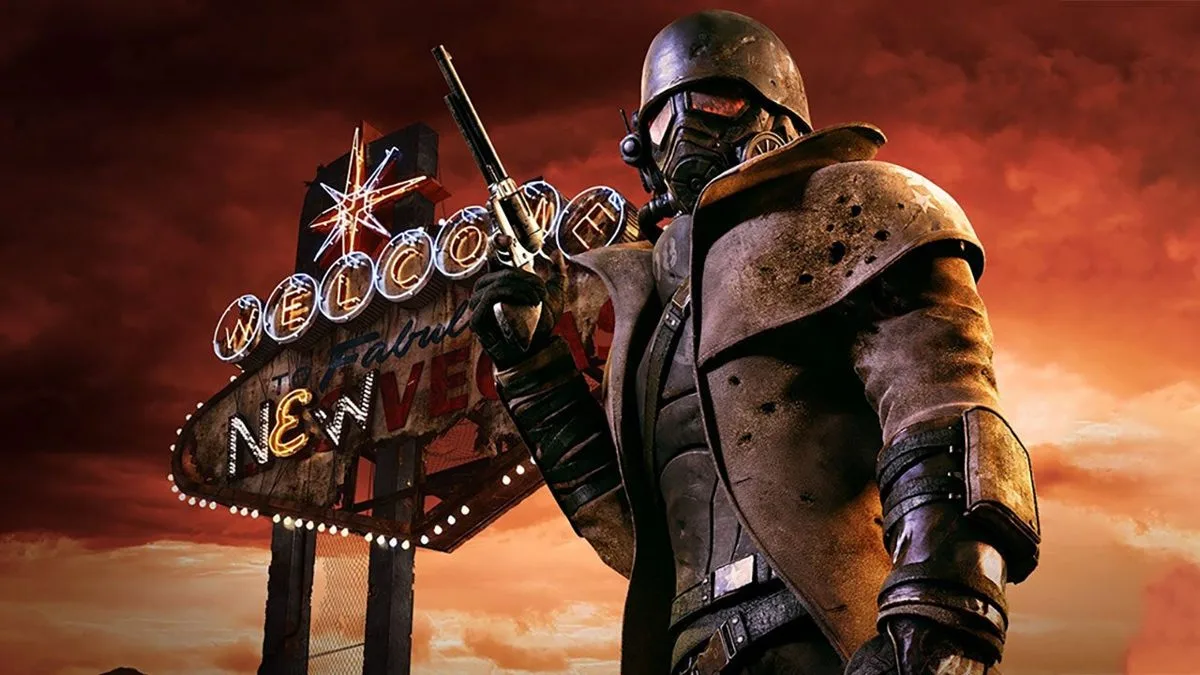
Additionally, Obsidian Entertainment, known for Fallout: New Vegas and currently without a confirmed project following recent commercial disappointments, could be positioned to create the next entry in the Fallout franchise. Collaboration among Bethesda’s studios may increase to consolidate resources and expertise under these new strategic priorities.
This realignment follows broader challenges within Xbox’s parent company and reflects a calculated response to market conditions, aiming to preserve Bethesda’s most valuable intellectual properties while navigating a period of organizational uncertainty.