

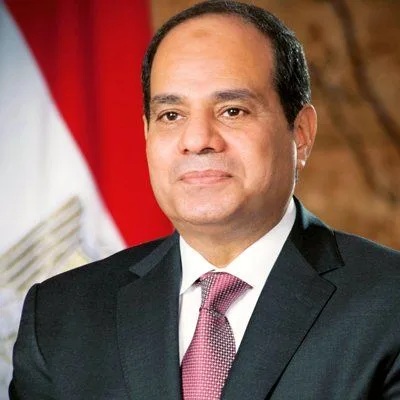
Egypt has positioned itself as a diplomatic intermediary to help broker a peace agreement between the United States and Iran, aiming to ease tensions over nuclear negotiations. President Abdel-Fattah al-Sisi disclosed that Cairo is holding intensive discussions with key stakeholders to promote a comprehensive resolution. This diplomatic effort was highlighted during a phone call with French President Emmanuel Macron, focusing on recent regional developments.
Al-Sisi reaffirmed Egypt’s commitment to upholding international law, respecting state sovereignty, and protecting natural resources as the foundation of its mediation role. Meanwhile, Macron emphasized the importance of maintaining stability in the Middle East by ensuring freedom of navigation through the Strait of Hormuz and lifting any restrictions on maritime passage. These talks reflect growing international concern over escalating regional instability and the potential for wider conflict.

On the US side, President Donald Trump signaled progress in nuclear talks with Iran, describing the negotiations as tough but increasingly productive. He noted that Iran agreed not only to refrain from developing nuclear weapons but also to avoid purchasing them from other sources—a key amendment addressing prior US concerns. Trump reiterated his administration’s priority to prevent Iran from acquiring a nuclear arsenal at any cost.
Despite encouraging signs, Trump maintained a clear stance that military options would remain open should diplomatic efforts fail. The US president highlighted his preference for a peaceful settlement but warned that the “Department of War” would be mobilized if necessary. This balance of diplomacy and pressure underscores the complexity of reaching a durable nuclear agreement with Iran.