

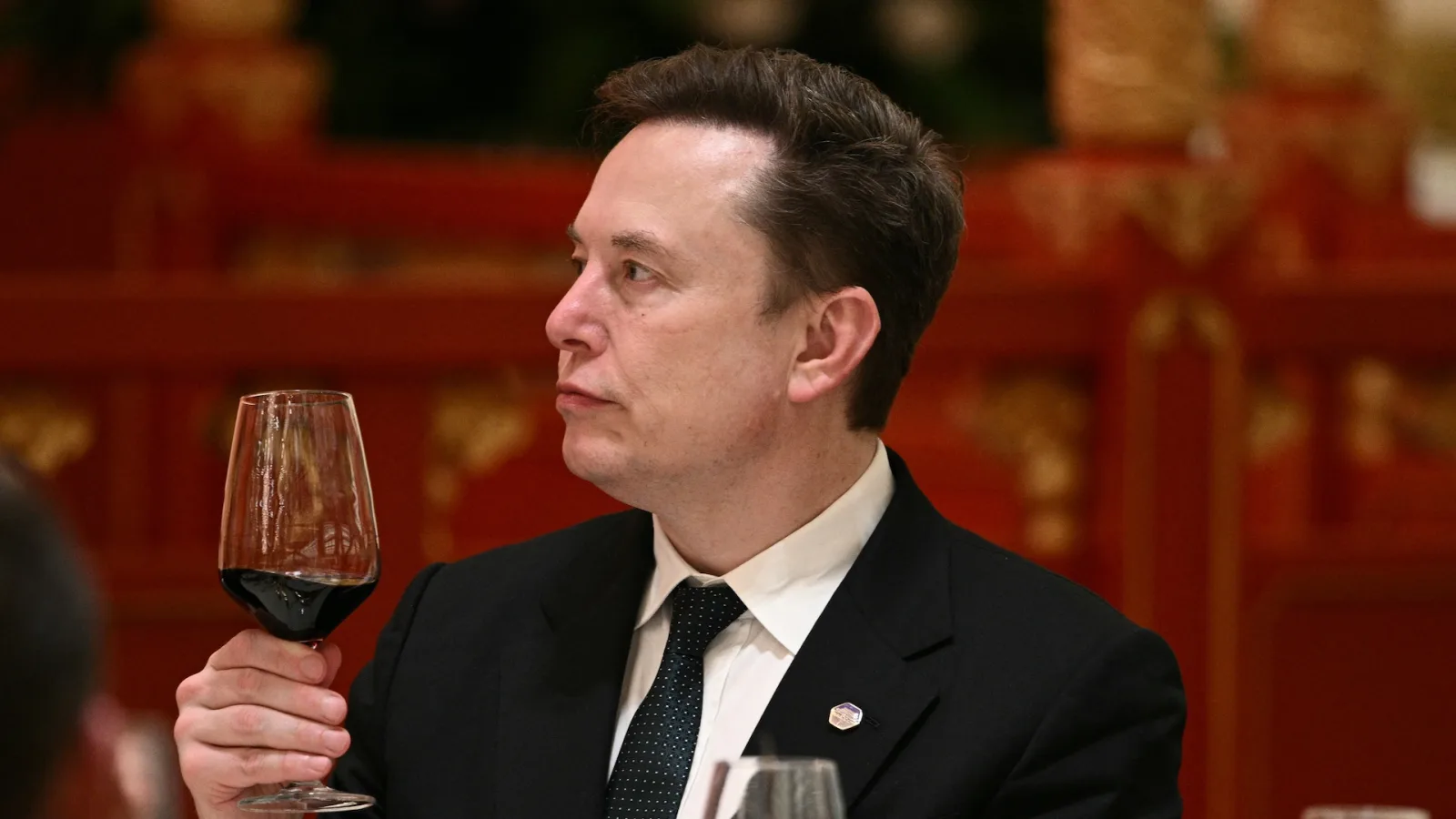
Elon Musk has been in discussions about combining Tesla and SpaceX into a single corporate entity, a move that could reshape the landscape of both the electric vehicle and space industries. This potential merger gained attention as SpaceX nears what could be the largest initial public offering (IPO) in history.
SpaceX recently filed its S-1 registration statement and aims to start trading on the Nasdaq under the ticker SPCX. The company targets a valuation around $1.75 trillion and hopes to raise approximately $75 billion through its IPO. Tesla, meanwhile, holds a market capitalization near $1.6 trillion. Merging these two would push the combined valuation beyond the $3 trillion mark.

Industry analysts see a high probability for the merger to occur by early 2027, with some placing the odds between 80 and 90 percent. Musk’s control over the companies is a key factor: he owns roughly 20% of Tesla’s equity but wields over 85% voting power in SpaceX through super-voting shares, giving him significant influence over major decisions.
While Musk has a history of orchestrating high-profile transactions among his ventures—such as SolarCity’s acquisition and his control over Twitter/X and xAI—this proposed merger raises concerns among Tesla investors and customers. The integration could introduce uncertainty amid ongoing debates about vehicle costs, reliability, access to charging infrastructure, and resale value.
Though the merger would not immediately affect Tesla vehicles already on the road, the consolidation could shift how Musk allocates management focus, capital investment, and strategic planning. This may impact pricing models, software ecosystems, service infrastructure, and innovation timetables, all of which are critical factors for Tesla’s market reputation and influence in the broader electric vehicle sector.
Investor wariness is amplified by ongoing lawsuits accusing Musk of self-dealing linked to his xAI ventures. Some shareholders express frustration that Musk treats Tesla as a personal asset rather than a publicly accountable corporation, especially given his 20% equity stake grants them theoretical leverage to oppose such mergers, though past shareholder resistance has frequently failed to alter his plans.
The possible Tesla-SpaceX merger exemplifies Musk’s approach to consolidating his business empire, combining breakthrough technology firms under his leadership. With SpaceX poised for its massive public debut, this merger could mark one of the most significant corporate restructurings in modern history, with far-reaching consequences for investors, customers, and the future direction of both industries.