

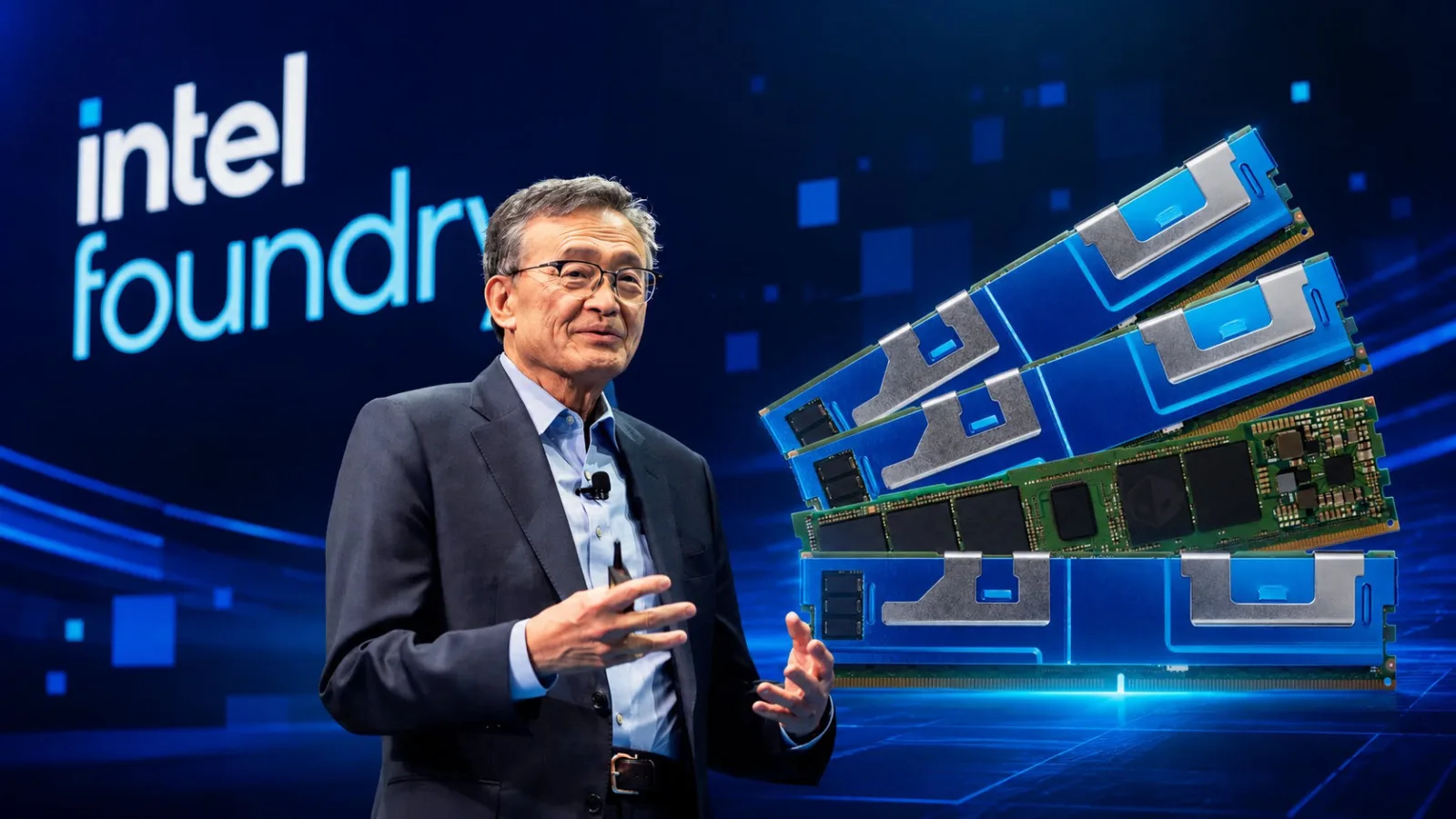
The surge in demand for AI-enabled chips has created bottlenecks in semiconductor packaging, traditionally dominated by TSMC's CoWoS technology, opening an opportunity for Intel to expand its presence in this critical segment. Recent export data highlights shifts in high-bandwidth memory (HBM) shipments that suggest Intel may be capturing market share as TSMC struggles to keep pace.
CoWoS (chip-on-wafer-on-substrate) packaging integrates multiple GPUs and memory units into a single chip package, essential for powerful AI inference and training workloads. While TSMC has consistently ramped up production—boosting packaging capacity to 15,000 wafers per month last year—the rapid acceleration of AI chip orders continues to challenge its throughput. Reports indicate that unmet demand for packaging capacity has led customers to look toward alternatives, including Intel’s packaging solutions.

Data from SemiAnalysis Chipbook reveals that chip exports, especially HBM products crucial for AI acceleration, are shifting geographically. There is a notable rise in shipments to Malaysia, home to Intel’s main chip packaging sites, while shipments to Taiwan (TSMC’s base) have declined below previous levels. This suggests that some orders traditionally handled by TSMC’s CoWoS are increasingly being fulfilled through Intel’s EMIB and EMIB-T packaging technologies, which offer power-efficient solutions suitable for certain AI chip applications, though with lower interconnect density than CoWoS.
TSMC remains the undisputed leader for packaging of high-power AI chips—such as NVIDIA’s GPUs—that require the dense interconnects enabled by CoWoS. Still, Intel’s advancements in packaging capabilities allow it to cater to segments of the AI market demanding efficiency and scalability, contributing to the current supply landscape shifts.
These trends reflect broader challenges within the semiconductor ecosystem, where the bottlenecks extend beyond chip fabrication to critical stages like packaging and memory integration. The memory chip shortage has also influenced related supply chains—impacting companies like SK hynix and Samsung—as AI chip demand reshapes production dynamics across the industry.