

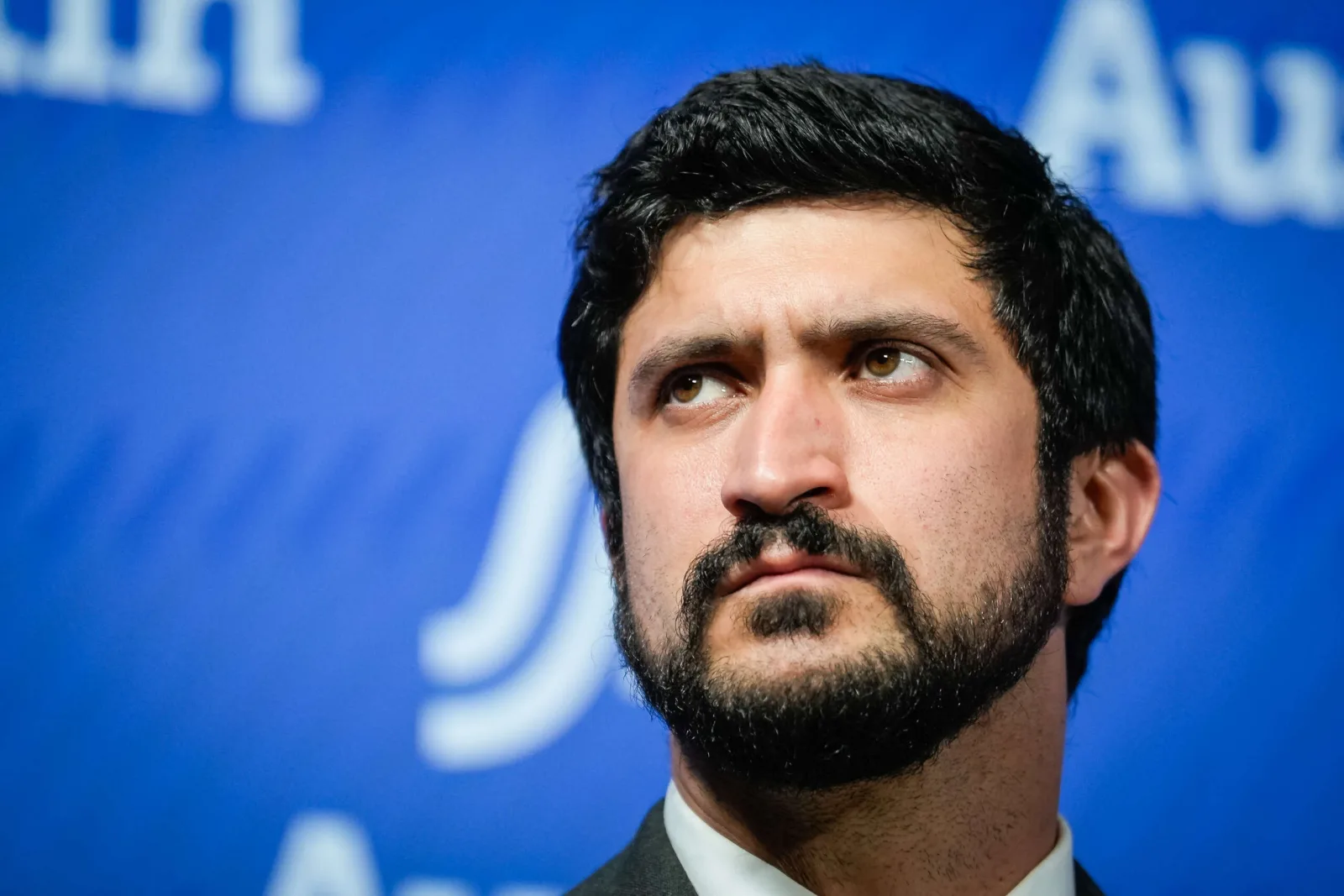
In the lead-up to the 2026 midterm elections, Super PACs backed by AI companies and wealthy tech billionaires have emerged as major financial players, spending millions to influence candidates and policies. U.S. Representative Greg Casar, leader of the progressive caucus, has publicly urged Democrats to refuse donations from these sources, warning that such funding threatens democratic integrity and prioritizes corporate interests over public good.
Casar highlighted that the influx of AI billionaires’ money into political campaigns risks shaping legislative agendas to favor unregulated technological expansion rather than addressing worker protections, data privacy, or ethical AI development. He stressed the importance of keeping political financing transparent and free from the disproportionate influence of wealthy tech investors whose priorities often diverge from those of everyday citizens.

Campaign finance watchdogs have noted that AI-related Super PACs have quickly become some of the largest spenders for the midterms, deploying funds to support candidates sympathetic to the industry’s interests. This trend has sparked debate within the Democratic Party, with progressives pushing for stricter limits on corporate contributions to preserve policy independence.
The controversy also highlights broader concerns about the role of artificial intelligence in society, including questions of power concentration among a few tech magnates and the need for regulatory oversight. By rejecting billionaire-backed donations, Casar and his allies aim to reinforce commitments to equitable governance and resist the corporate capture of political processes.
As the midterms approach, the pressure is mounting on Democrats to take a clear stance on campaign financing from the AI sector, signaling whether they will align with grassroots demands for ethical regulation or continue to accept large sums from powerful industry donors.