

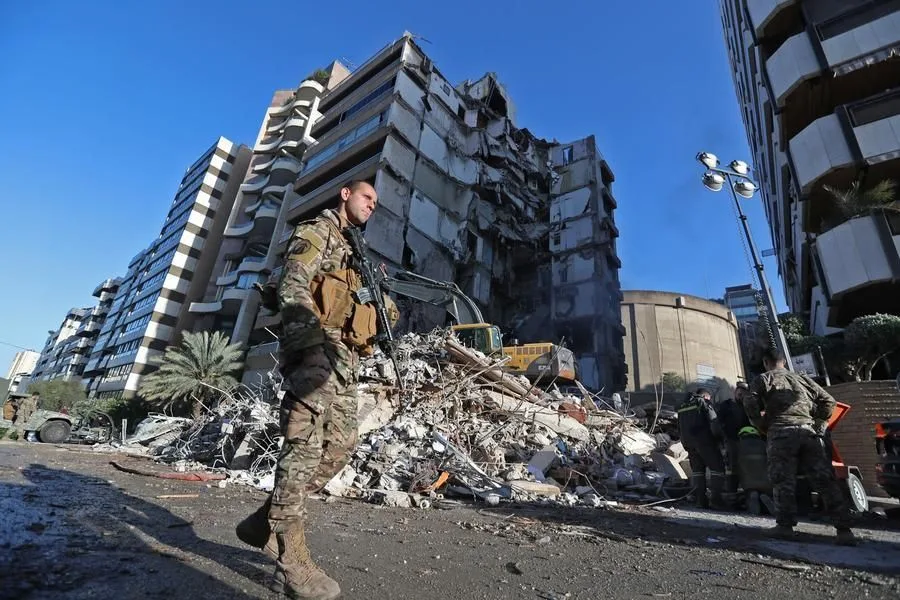
Israel and Lebanon agreed to a ceasefire following intensive two-day negotiations hosted by the United States, focusing on stabilizing the volatile border region and halting hostilities. Both sides committed to ongoing direct talks aimed at developing security arrangements designed to prevent the resurgence of armed non-state actors in southern Lebanon.
The agreement was forged during the fourth high-level trilateral meeting involving the United States, Israel, and Lebanon at the State Department. It hinges on a full halt of fire by Hizballah and the withdrawal of Hizballah operatives from the South Litani Sector, a critical flashpoint along the border area.

An essential part of the deal includes establishing pilot zones under the exclusive control of the Lebanese Armed Forces (LAF), thereby limiting the presence of non-state armed groups. This move, supported by the United States, aims to reinforce Lebanese sovereignty and enhance border security by ensuring the state's sole authority over these territories.
The participating governments underscored that the future relationship between Israel and Lebanon must be determined solely by their respective sovereign authorities, rejecting external interference or coercive acts by states or non-state actors. Both sides reaffirmed that they harbor no hostile intent toward each other and pledged to continue confidence-building negotiations to resolve outstanding disputes and work toward a wider peace agreement.
In addition to border security, the talks addressed broader regional security challenges. All parties condemned Iran’s aggressive activities across the Middle East, including attacks on neighboring countries and support for proxy groups that destabilize the region.
The United States reiterated its role as mediator and pledged ongoing support for the Lebanese Armed Forces to strengthen their capacity. The aim is to establish a durable security framework protecting the sovereignty, security, and territorial integrity of both Israel and Lebanon, including dismantling illegal armed entities and preventing their return.