

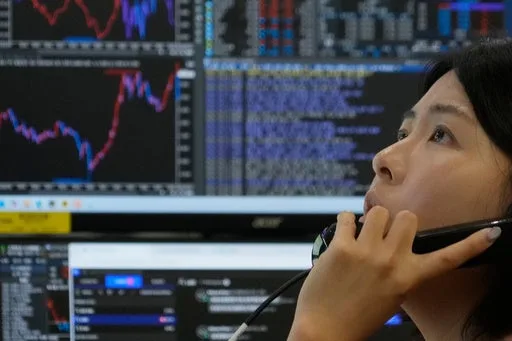
Oil prices surged sharply as new clashes threaten the fragile U.S.-Iran ceasefire, pushing Brent crude above $95 per barrel. The escalation rekindled concerns over supply disruptions through the Strait of Hormuz, a vital shipping route, intensifying inflationary pressures already felt across the economy.
Despite the jump in energy costs, key U.S. stock indexes displayed resilience, with the S&P 500 edging up to its recent all-time high. The Nasdaq also climbed, supported by gains in major technology companies, while the Dow Jones Industrial Average experienced a slight decline amid uneven market performance.

Fuel-dependent industries suffered notable losses, reflecting the direct impact of rising fuel expenses. Airlines such as United Airlines and Alaska Air Group saw shares dip following the oil price surge, underscoring the sector’s sensitivity to volatile energy markets.
Investor focus remains on the geopolitical developments that could reopen oil flows from the Persian Gulf, which might alleviate some upward pressure on prices. Meanwhile, the broader stock market is increasingly dominated by a handful of tech giants. The top ten companies now make up nearly half of the S&P 500’s market capitalization, a peak not seen in four decades, amplifying their influence on overall market direction.
This concentration raises questions about market breadth. While Big Tech’s strong momentum has boosted indices, strategists warn that any slowdown among these leaders could drag the whole market lower, despite broader stock gains. Indicators suggest a rotation in market leadership may be imminent.
Outside of energy and tech, smaller companies face headwinds from soaring interest rates, which complicate borrowing and constrain growth. The Russell 2000 index, which tracks smaller-cap stocks, declined amid this challenging environment.
Significant moves were also seen in individual corporate earnings. For example, a notable surge in one company’s stock followed a robust profit report, highlighting pockets of strength amid market volatility.