

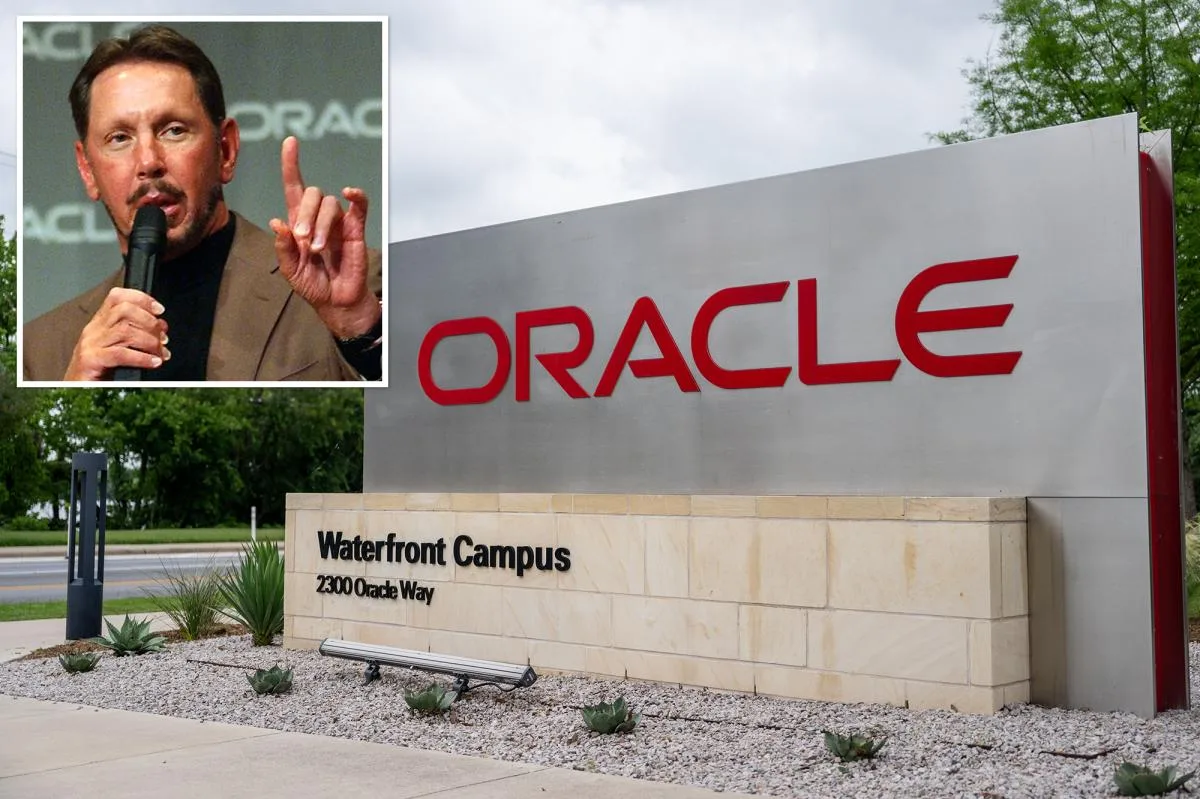
Oracle is gearing up for a significant round of layoffs targeting various teams, with some facing job reductions reaching double-digit percentages. This move comes as the tech giant intensifies its investment in artificial intelligence (AI) infrastructure. Managers have reportedly been instructed to submit lists of employees impacted by these cuts ahead of the start of the next quarter.
Earlier this year, Oracle already eliminated 21,000 full-time positions—about 13% of its global workforce—citing restructuring, strategic changes, and performance issues. The company spent billions on severance and restructuring costs during that process. Despite those reductions, Oracle is doubling down on its AI initiatives, having increased its data center expenditure dramatically in fiscal 2026 compared to the previous year.

Oracle’s investment in data centers surged to $55.7 billion in fiscal 2026, a sharp rise from $21.2 billion the year before. This spending forms part of the company’s broader strategy to deploy AI technologies across its operations, which the company acknowledges may continue to drive workforce reductions.
Financial pressures weigh heavily on Oracle as it manages approximately $117 billion in high-grade corporate debt, making it the largest issuer of non-financial bonds in the market. The company’s leadership aims to reduce payroll costs as it restructures to align with evolving strategic priorities.
Oracle’s workforce currently numbers around 141,000 employees worldwide. The company maintains a broad infrastructure that includes thousands of multilingual customer support specialists and tens of thousands of consulting experts. Despite the layoffs, Oracle generated $57 billion in revenue in the fiscal year 2025.
Oracle’s relocation away from California has been notable in recent years, having shifted its headquarters first to Austin and later to Nashville. These moves reflect a broader trend of tech companies seeking lower-cost operating environments.
This new round of layoffs follows earlier controversy involving former employees who highlighted perceived inequities in how layoffs were conducted, particularly regarding stock options distribution and executive compensation packages.