

Paramount’s planned acquisition of Warner Bros. Discovery has faced significant resistance, and the company’s chief legal officer has attributed some of this opposition to antisemitism. Makan Delrahim, Paramount’s top lawyer, said in an interview that certain critics are motivated by antisemitic views, particularly those involved in political maneuvering in Washington, D.C.
Delrahim accused some detractors of engaging in fear-mongering to sabotage the merger, implying their objections are rooted less in business concerns and more in prejudice. He emphasized that regulatory bodies and law enforcement would recognize and disregard such biased attacks during their review process. Paramount did not offer further commentary on these claims, and Delrahim was not available to clarify his comments.

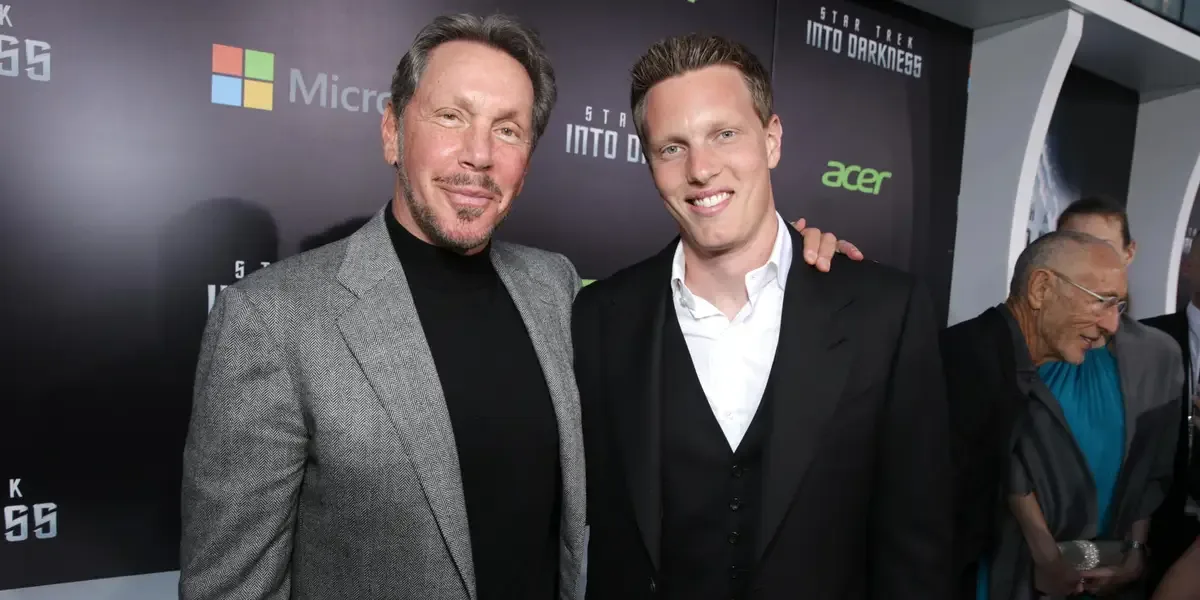
The suggestion appears linked to Paramount’s ownership by brothers Larry and David Ellison, who are known supporters of Israel. This context frames Delrahim’s remarks as pointing to critics whose opposition may be driven by the Ellisons’ support for Israel, potentially crossing into antisemitic territory. The Israel-Palestine conflict has previously surfaced in discussions about Paramount, especially after the studio denounced a boycott campaign by certain actors and filmmakers aimed at Israeli film organizations, describing it as a form of silencing based on nationality.
This stance prompted backlash within Paramount itself, where anonymous employees accused the company of endorsing systems they described as apartheid and genocide. The tension between political criticism of Israel and accusations of antisemitism remains a highly sensitive and controversial subject nationwide.
Delrahim’s comments introduce an unusual dynamic into the regulatory review of the Warner Bros. deal. As a former head of antitrust enforcement at the U.S. Department of Justice under the Trump administration, his remarks could be interpreted as positioning critics’ concerns—whether about competition in the movie industry or media consolidation—as veiled expressions of antisemitism.
This framing may complicate the approval process outside of current U.S. political circles, where the deal is broadly expected to gain clearance. For regulators wary of the merger’s broader impact on entertainment and news industries, being implicitly accused of harboring antisemitic motives may prove an unhelpful distraction in what is already a complex antitrust evaluation. Paramount’s strategy thus appears to intertwine cultural controversies with corporate maneuvering at a critical juncture.