

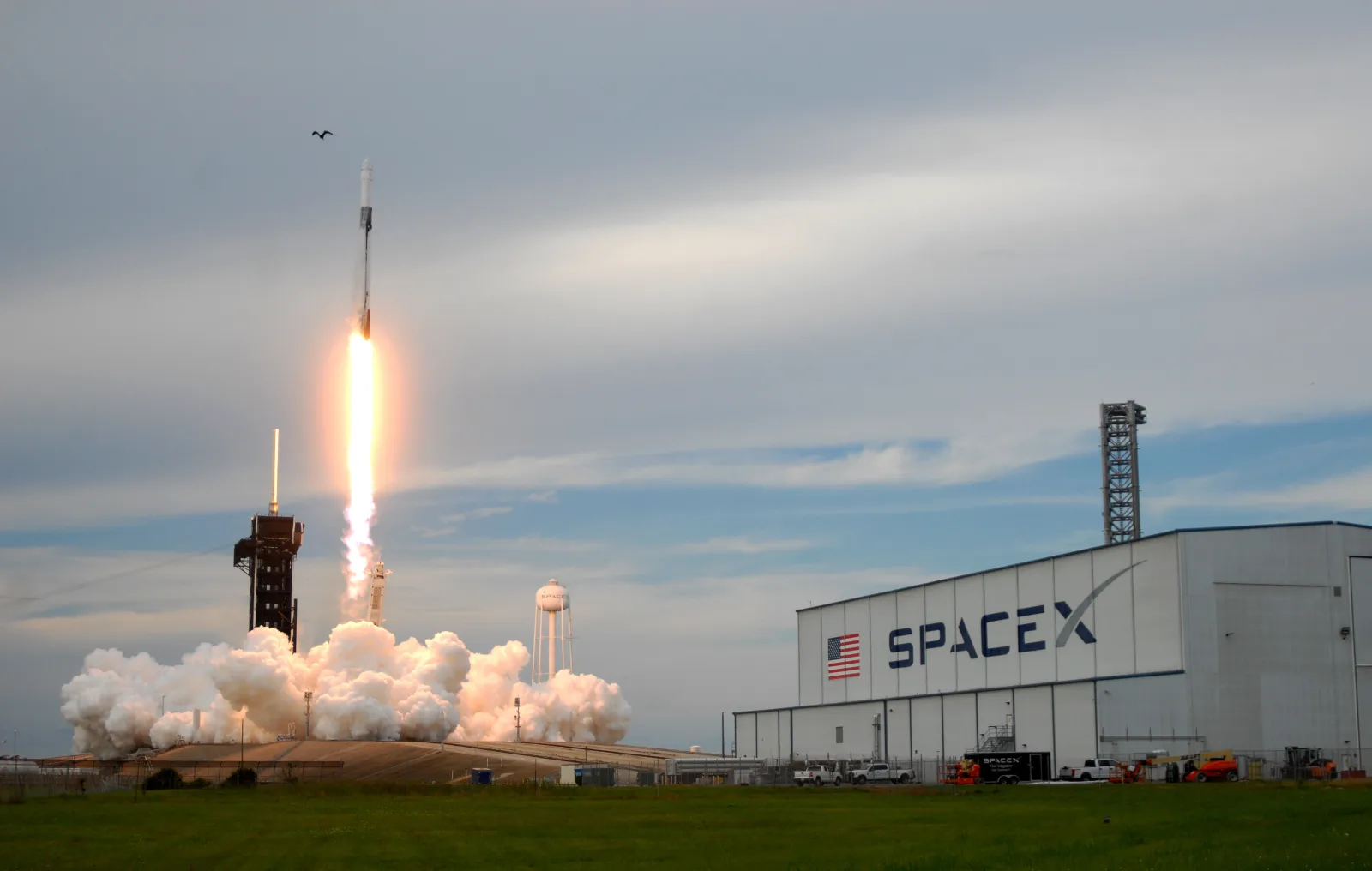
SpaceX’s upcoming initial public offering (IPO) aims to provide an unusually high allocation of shares to individual investors, marking a rare opportunity for the public to buy into Elon Musk’s aerospace company. The firm plans to offer over 555 million shares priced at $135 each, potentially raising $75 billion and valuing the company at around $1.77 trillion. This would surpass the record market cap of Saudi Aramco, making SpaceX one of the most valuable companies at its market debut.
Shares will be accessible to retail investors through major brokerage platforms including Charles Schwab, Fidelity, Robinhood, SoFi Technologies, and Morgan Stanley’s E*Trade. Fidelity, notably lowering its historical $100,000 minimum requirement for IPO participation to just $2,000, enables a broad spectrum of investors to engage with the offering. Other platforms like Robinhood and SoFi do not impose minimum account balances, although some participation restrictions apply, especially for customers who recently traded in other IPOs. Fidelity clarified that share allocation depends solely on investor demand without prioritizing higher interest indications.

Despite the accessible entry, financial analysts are alarmed by SpaceX’s valuation and the risks surrounding its public debut. Morningstar analysts describe the company as significantly overvalued, pointing to the unproven nature of its core technologies and the likelihood of sustained, heavy investment in the coming years. Truist analysts underscore the potential volatility during the stock’s initial trading phase, while prominent investor Michael Burry criticized the IPO valuation as inflated with no clear justification for a trillion-dollar-plus price tag.
Market observers have also compared the potential trading behavior of SpaceX shares to Tesla, a Musk-led company known for its extreme stock price swings. This comparison suggests that early investors should brace for significant price fluctuations once trading commences. The final IPO price remains subject to adjustment based on investor demand and market conditions ahead of the planned trading start.