

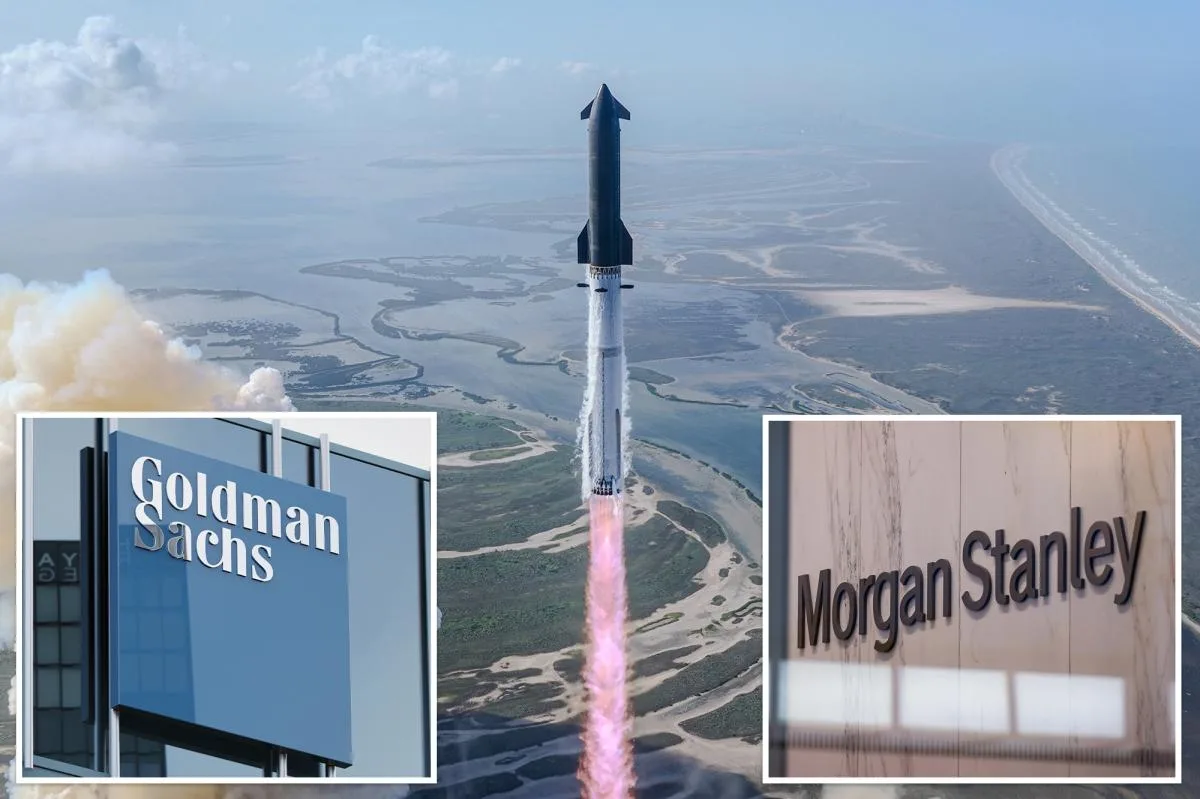
SpaceX is negotiating an IPO underwriting fee well below typical levels as it moves toward raising approximately $75 billion, a fundraising round that could set a new record for public stock market offerings. The company plans to pay less than 0.75% in fees to banks managing the process, a sharply discounted rate compared to the 4% to 7% often charged on smaller offerings and even below the roughly 1% customary for mega-deals.
This negotiation puts Elon Musk’s space and AI conglomerate in a strong position against Wall Street banks, leveraging the immense scale of the offering. Although fees are being cut, the size of the deal means the banking syndicate could still earn close to $500 million in total. Leading the charge for the banks are Goldman Sachs and Morgan Stanley, which expect to claim a larger share of the fees compared to the other two dozen institutions involved.

Meanwhile, SpaceX employees are reportedly seeking their own financial arrangements, aiming to secure discounted wealth management and tax strategies to optimize anticipated gains from the IPO windfall.
The proposed valuation for SpaceX exceeds $1.8 trillion, positioning the company among the most valuable to ever go public. If successful, this IPO would outpace previous fundraising efforts, redefining capital markets benchmarks. This process coincides with a surge in AI-related companies eyeing public listings, as seen with Anthropic and OpenAI's market plans adding momentum to investor enthusiasm.
Historically, Wall Street has accepted lower underwriting fees on landmark deals, as in the 2010 General Motors IPO when fees also hovered under 1% amid intense scrutiny. Alibaba’s 2014 public offering, which raised $25 billion and incurred underwriting fees around 1.2%, offers another comparison point for how fee structures adjust with deal scale and market conditions.