

Bitcoin has begun to show signs of stabilization after a prolonged decline, climbing back toward the $62,000 mark. This rebound closely followed the release of weak U.S. nonfarm payroll data for June, which reported significantly fewer jobs added than expected, prompting a shift in market sentiment away from immediate Federal Reserve rate hikes.
The slower-than-anticipated job growth pushed the market to price in a reduced likelihood of a near-term Fed rate increase. This reaction lowered yields on two-year U.S. Treasury notes, which typically makes fixed-income investments less attractive. As a result, investors appeared more willing to rotate capital into riskier assets like stocks and cryptocurrencies, providing Bitcoin with a short-term boost from its recent low near $57,000.

Despite this temporary uplift, experts caution that the move does not reflect a fundamental change in Federal Reserve policy. At its recent meeting, the Fed maintained its target rate between 3.5% and 3.75%, with projections now indicating higher average rates toward the end of 2026 than previously forecast. This hawkish stance implies continued headwinds for sustained crypto market rallies.
Market data reveals additional complexities. Large Bitcoin holders, or “whales,” offloaded considerable amounts around last year’s October peak, exerting substantial downward pressure on prices during 2025. This selling activity has mostly subsided in 2026. Meanwhile, although Bitcoin exchange-traded products (ETPs) have experienced net outflows, the shift primarily favors new investments in artificial intelligence-focused ETFs, indicating a sector rotation rather than diminished confidence in Bitcoin itself.
Geopolitical tensions, such as uncertainties related to the conflict involving Iran, coupled with fading prospects for the CLARITY Act, add layers of risk to the market environment. Additionally, potential sell pressure from Strategy’s Bitcoin reserves complicates supply dynamics.
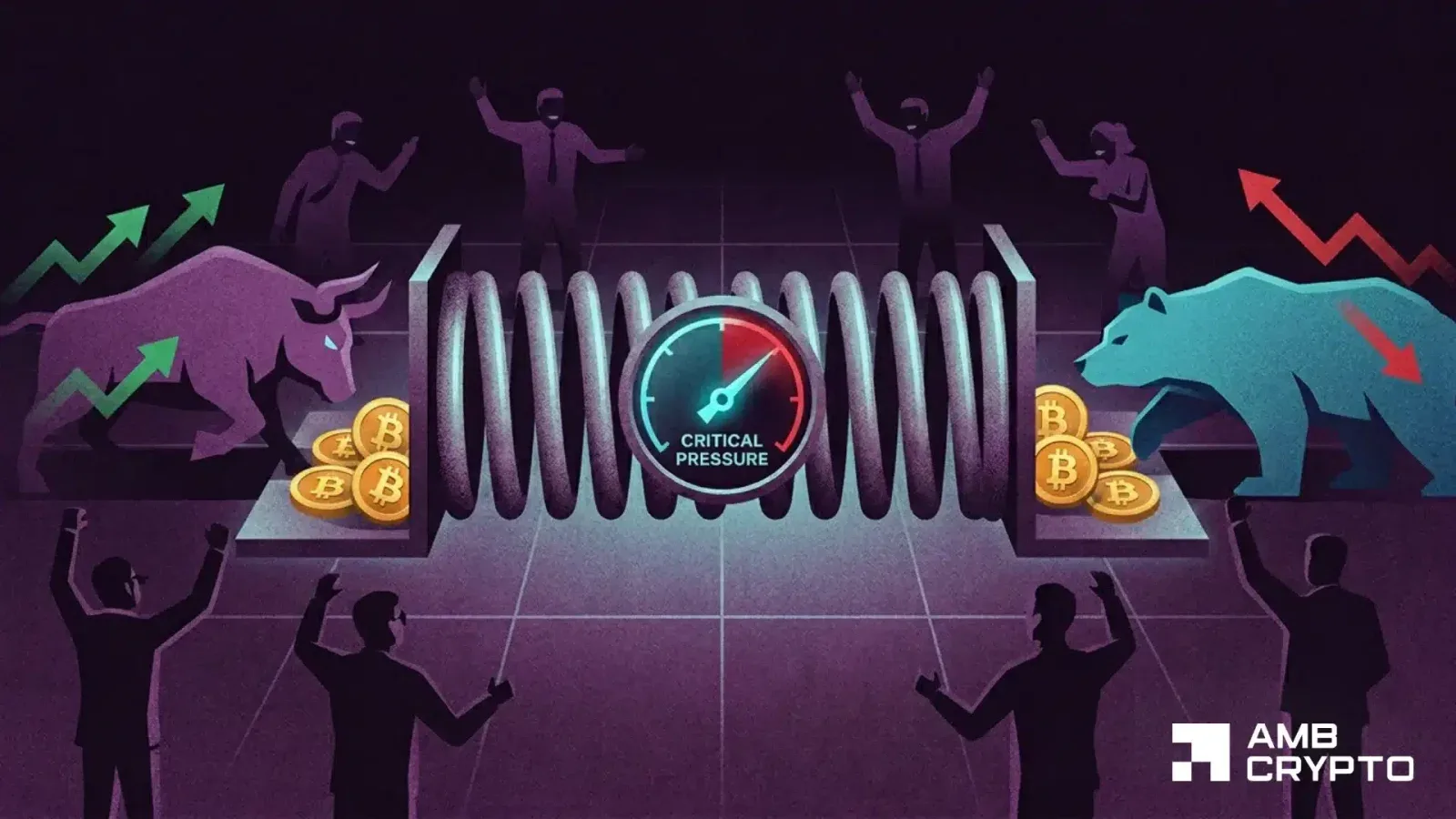
Trading behavior also highlights the market’s fragile equilibrium. Bitcoin’s price increases have coincided with rising open interest levels, implying that both bullish and bearish traders are increasing leveraged positions. This balance raises the risk of a sudden price swing if liquidations accelerate, making the near-term trajectory unpredictable.
Overall, analysts characterize the current phase as an initial stage of bottoming rather than the onset of a strong upward trend. Bitcoin’s recovery remains vulnerable to evolving macroeconomic policies and external risks, underscoring the cautious tone in the market despite recent gains.