

The European Banking Authority (EBA) and the New York State Department of Financial Services (NYDFS) have formalized a collaboration to enhance regulatory oversight of stablecoins operating across their jurisdictions. This partnership, established through a memorandum of understanding (MoU), aims to improve information sharing and align supervisory practices amid the rapidly expanding stablecoin market.
The MoU, signed under the framework of the EU’s Markets in Crypto-Assets Regulation (MiCA), creates mechanisms for joint supervision of entities issuing stablecoins both in New York and the European Union. It emphasizes coordinated responses to potential crises and ongoing supervisory cooperation, ensuring that issuers meet consistent standards irrespective of their geographic base.

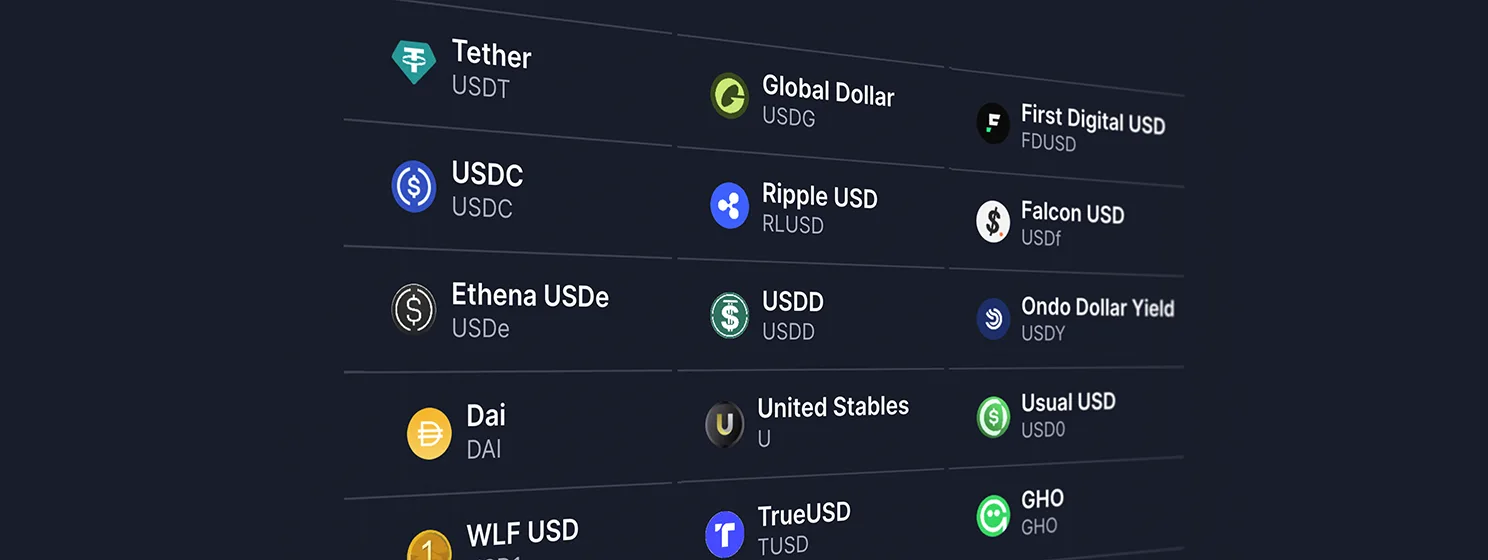
Stablecoins, digital assets designed to maintain a stable value by pegging to currencies or assets, have witnessed explosive growth, with transaction volumes escalating markedly in recent years. A recent report highlighted that stablecoin payments surged to hundreds of billions annually by the mid-2020s, and projections foresee market caps reaching trillions of dollars in the near future. This growth underscores the necessity for cross-border regulatory coordination to mitigate risks associated with these financial instruments.
MiCA places the EBA at the center of regulating “significant” stablecoins within the EU — those meeting stringent thresholds such as large user bases, substantial issuance and transaction volumes, or strong connectivity with traditional financial systems. For these stablecoins, the EBA holds direct supervisory authority, enabling it to monitor issuers’ compliance comprehensively.
Under the agreement, the EBA can share information with the NYDFS and other third-country regulators, reflecting MiCA’s provisions that encourage cooperation beyond EU borders. This helps to oversee decentralized or cross-border stablecoin operations that might otherwise evade effective jurisdictional control.
The collaboration represents a key milestone in fortifying transatlantic regulatory ties, signaling a joint commitment to develop a resilient global framework for crypto-assets, particularly stablecoins, whose prominence in payment systems and financial markets continues to grow rapidly.