

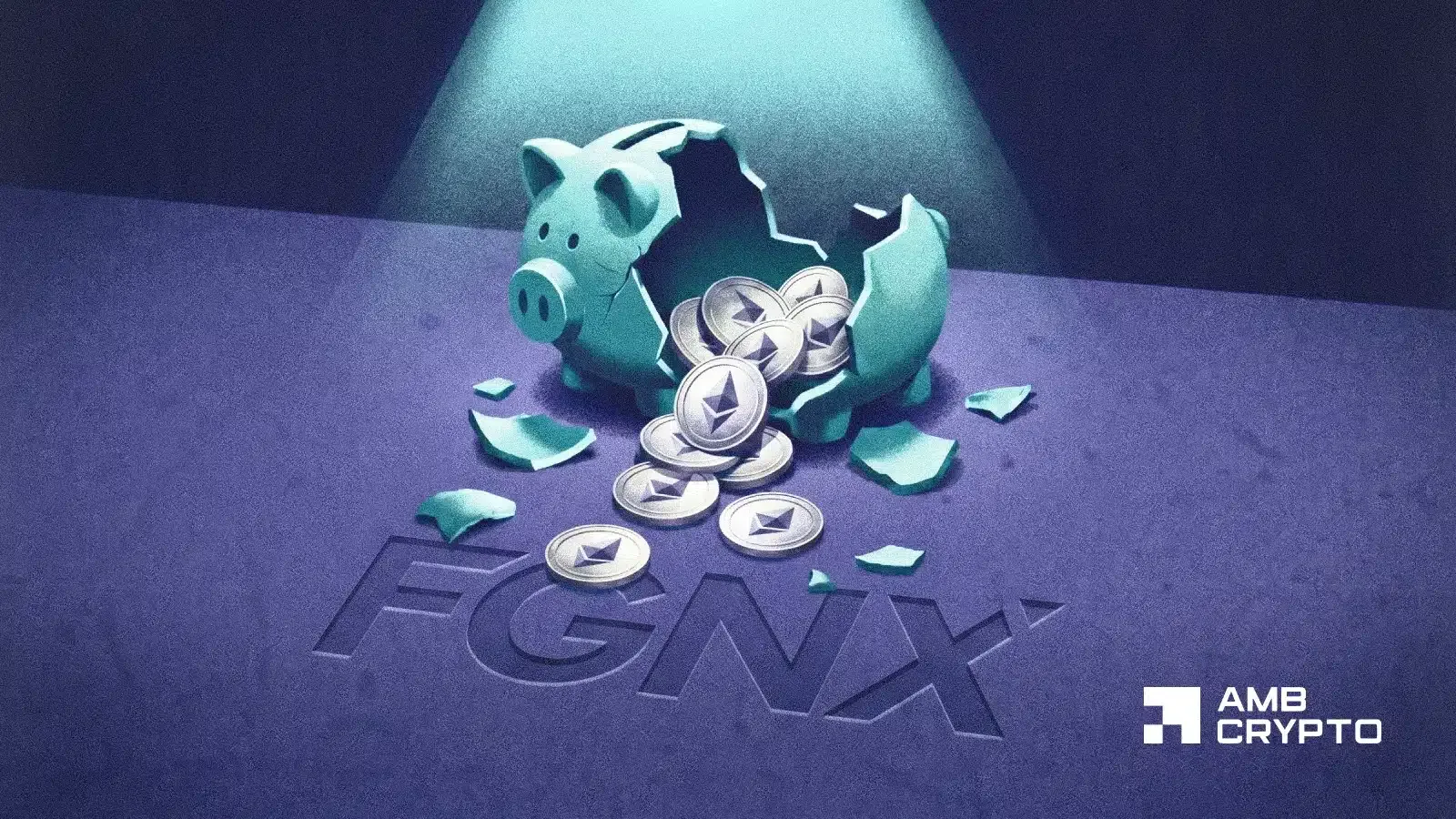
FG Nexus made a substantial investment in Ethereum by acquiring more than 50,000 ETH tokens for close to $196 million at an average price around $3,860 per coin. However, as Ethereum’s price declined sharply in the following months, the company was forced to sell a significant portion of its holdings at much lower prices, realizing heavy losses.
In November, FG Nexus sold over 36,000 ETH at an average price near $2,330, approximately 40% less than the buying price. These sales generated nearly $84 million but locked in large realized losses. The company’s remaining Ethereum balance of about 14,700 ETH is still trading below its initial purchase price, contributing to further unrealized losses and pushing FG Nexus’s overall paper and realized losses past the $85 million mark.

Ethereum’s price has struggled recently, dropping over 6% in a single day to around $1,753 and falling more than 25% over the past month. Despite this, on-chain data shows that network activity remains robust. Ethereum’s active addresses hover near 450,600, pointing to steady user engagement even as price performance wanes. Additionally, Ethereum’s Spot Taker CVD—a measure of spot market buying and selling activity over 90 days—indicates ongoing tensions between buyers and sellers. While recent data shows renewed aggressive buying, it has not yet translated into sustained price gains.
Meanwhile, other major market players display different strategies. Bitmine recently added 25,000 ETH, valued at about $48 million, from BitGo to its treasury. At the same time, Sharplink earned over 20,000 ETH through staking rewards, reinforcing diversified approaches within the Ethereum ecosystem.
FG Nexus’s Ethereum treasury experiment highlights the risks tied to volatile crypto markets, where even significant network engagement does not guarantee price stability. The company’s losses underscore the challenges of timing large-scale cryptocurrency investments amid fluctuating market dynamics and contrasting on-chain fundamentals.