

Senator Kirsten Gillibrand has called for explicit prohibitions preventing members of Congress and their spouses from issuing or promoting memecoins amid ongoing efforts to regulate the cryptocurrency sector. Speaking at a Miami conference, she stressed the urgent need for robust ethics provisions to accompany any new crypto legislation before lawmakers proceed with broader regulatory measures.
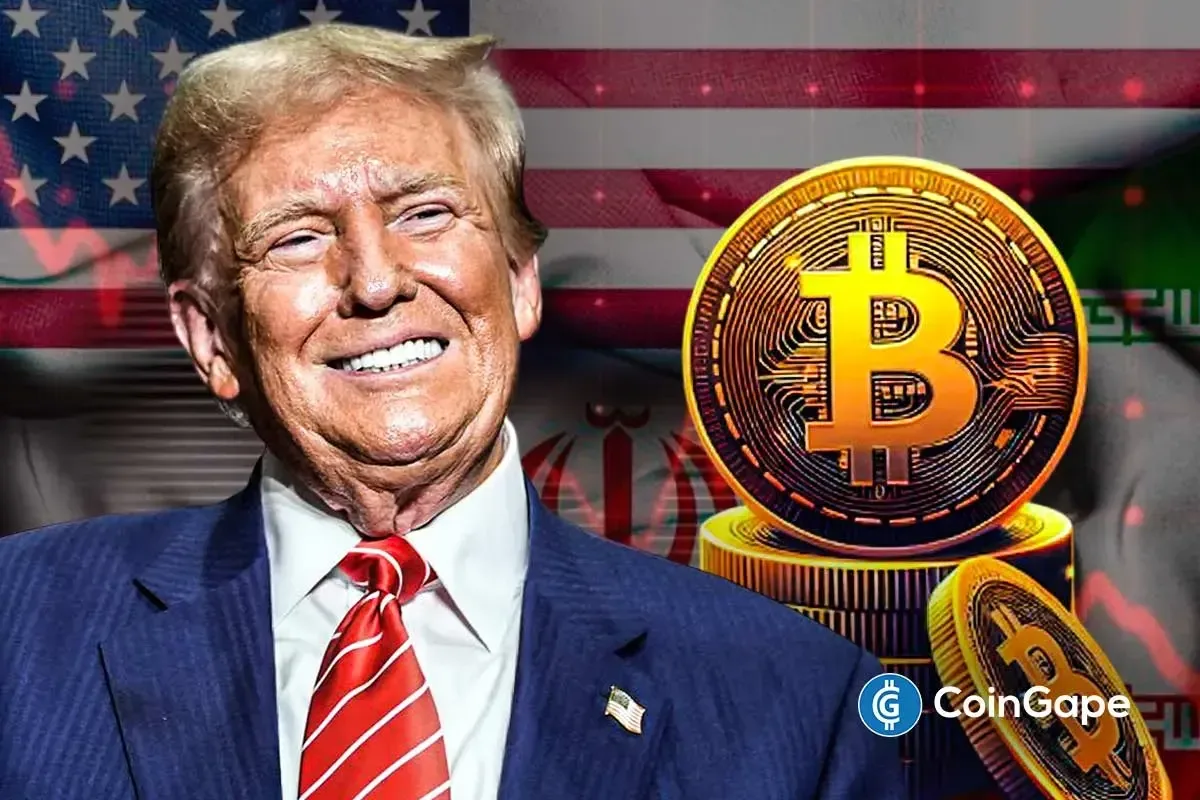
Gillibrand’s push comes in the wake of recent financial disclosures by former President Donald Trump, which revealed approximately $1.4 billion in crypto income tied to memecoins. This revelation has reignited concerns about potential conflicts of interest among policymakers involved in shaping digital asset rules. The senator emphasized that public officials should not be in a position where personal financial gains influence their decisions affecting the crypto market.

The current legislative focus centers on the Clarity Act, which is expected to be reviewed soon by the Senate Banking Committee. Key points under discussion include regulation of stablecoin yields, safeguards against illegal financing, and the integration of conflict-of-interest clauses aimed at prohibiting government officials from issuing or endorsing cryptocurrencies. Democrats remain cautious, insisting that these core issues be adequately addressed before extending their support for the bill.
Trump’s launch of the $TRUMP memecoin prior to his second inauguration became one of the most publicized crypto projects, generating substantial profits for its backers. Despite this, many investors experienced severe losses as the token’s value plummeted significantly over time. Trump has denied any wrongdoing, claiming that investment management is handled externally and attributing income gains partly to overall market trends.
The controversy around memecoin earnings and ethical standards continues to shape cryptocurrency policy debates in Washington. Lawmakers remain divided on how best to incorporate strict governance and transparency requirements to prevent conflicts that could compromise the integrity of future regulations.