

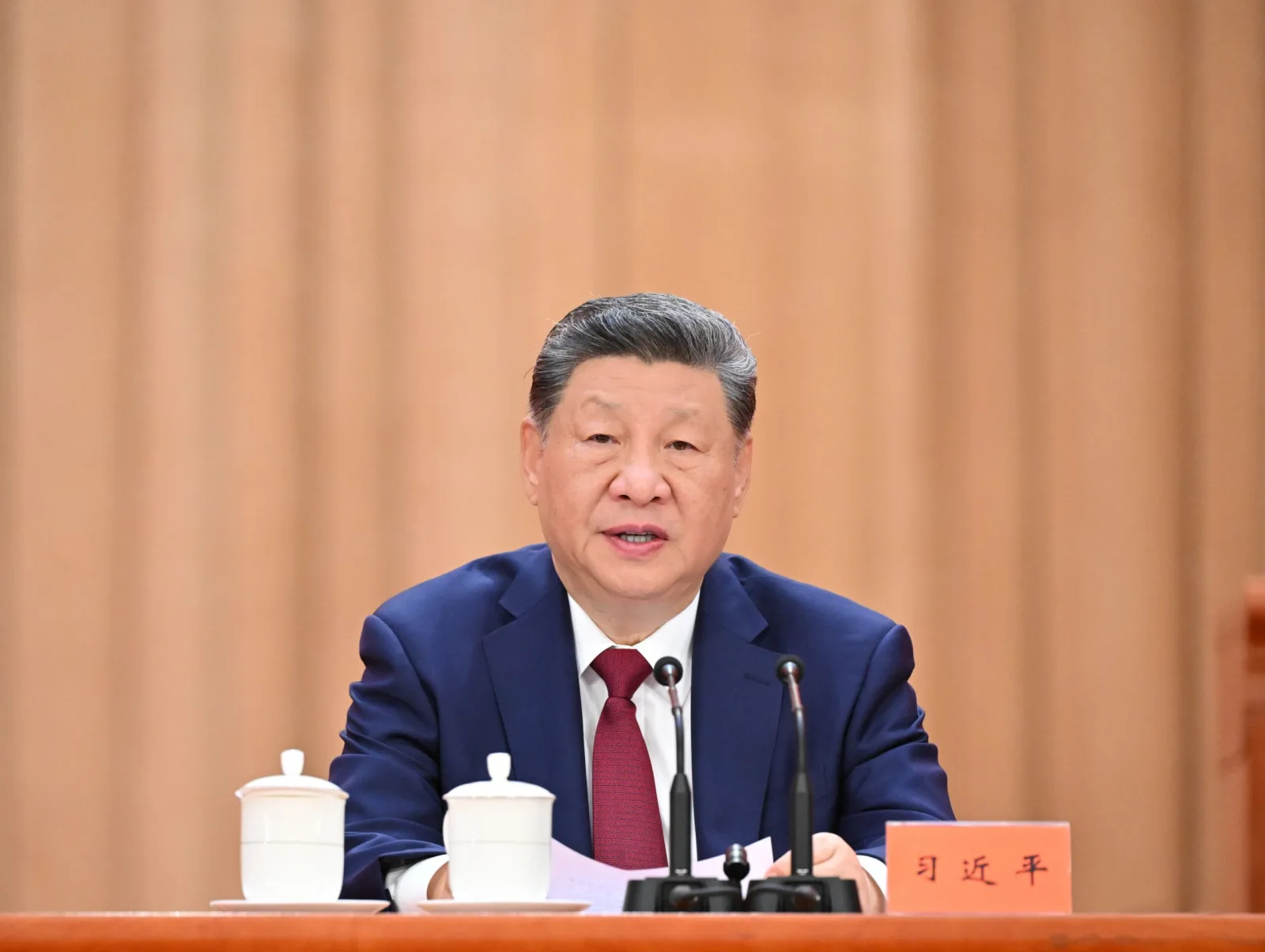
China’s response to the recent violence in West Asia displayed its deliberate reluctance to fully back Iran, signaling a clear prioritization of Pakistan as a first-tier partner in the region. Despite Iran’s significance in Beijing’s broader regional ambitions, China refrained from any direct military involvement or deployment following targeted strikes that killed Iran’s top leadership, underscoring a cautious balancing act in its foreign policy.
While China and Iran maintain a Comprehensive Strategic Partnership spanning 25 years, covering sectors such as infrastructure, banking, energy, and limited military-technical cooperation, the agreement notably excludes a mutual defense commitment. This contrasts sharply with China’s firmer pledges to Pakistan and aligns more closely with Russia’s strategic assurances to North Korea. China’s official condemnation of the conflict remained carefully neutral, avoiding direct criticism of any party involved, illustrating Beijing’s intent to safeguard its broader geopolitical and economic interests.

Analysts observe that China’s neutrality during the conflict was far from passive. Instead, it strategically expanded its petroleum reserves by purchasing large volumes of discounted oil from sanctioned countries, including Iran, Russia, and Venezuela. This oil stockpiling forms part of China’s effort to secure energy supplies amid global uncertainty while preserving its leverage in the region. Iran’s geopolitical importance connects to China’s larger Belt and Road Initiative, serving as a land corridor essential to linking the resource-rich Gulf states to China via overland routes passing through Iran and Pakistan.
Despite the strategic partnership with Iran, China has shown reluctance to engage militarily, unlike its robust arms and defense support to Pakistan, which received a significant share of Chinese arms exports in recent years. Tehran benefits to a degree through access to Chinese satellite technology and intelligence sharing, but this cooperation stops short of full alliance obligations. Experts suggest China’s calibrated engagement reflects a pragmatic hedging strategy — leveraging Iran’s resources and regional influence without jeopardizing critical relations with the United States or destabilizing its broader global ambitions.