

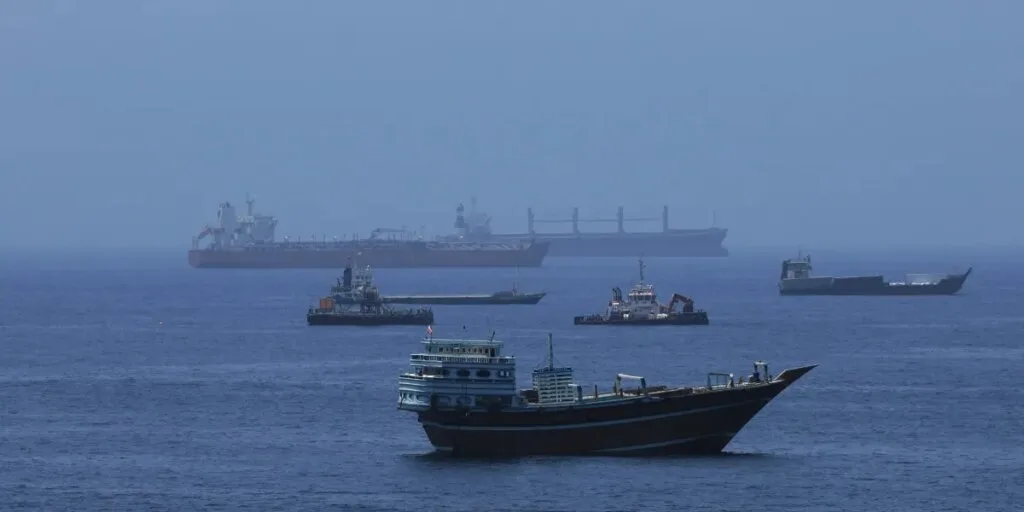
The southern passage of the Strait of Hormuz stayed open to maritime traffic despite Iran’s recent announcement declaring the waterway closed, according to a joint maritime advisory. The route along Oman’s coastline continues to be accessible for commercial vessels amid escalating military confrontations between the United States and Iran.
The Joint Maritime Information Center characterized the security environment in the strait as “severe,” warning crews to expect frequent communications with naval forces and to be vigilant for the presence of naval mines. The waters remain tense after Iran’s Islamic Revolutionary Guard Corps (IRGC) stated it would block all ship movements through the strait until foreign military interference ceases. This declaration came amid accusations that the United States sought to destabilize the region.

Recent activity included US forces launching a third strike against Iranian targets within a week following an attack on a Cyprus-flagged container ship near Omani waters. The assault caused a fire onboard and forced the crew to abandon the vessel. Local authorities succeeded in rescuing the crew, while reports indicate one Indian crew member remains missing. In addition, Iranian forces reportedly stopped two cargo ships for defying transit warnings, using warning shots to enforce the blockade.
The Strait of Hormuz is a vital maritime chokepoint through which a significant portion of the world’s crude oil and liquefied natural gas passes. Its control has been a central point in negotiations between the US and Iran for regional stability and peace. However, the recent surge in attacks—targeting several American allied states in the region, including Qatar, Kuwait, and Oman—jeopardizes the fragile ceasefire established the previous month.
Maritime traffic in the area remains severely limited, with only two oil product tankers observed entering the strait amid the increased risks. Mariners have been urged to maintain heightened caution, monitor naval communications closely, and prepare for potential threats arising from mines or further military engagements.