

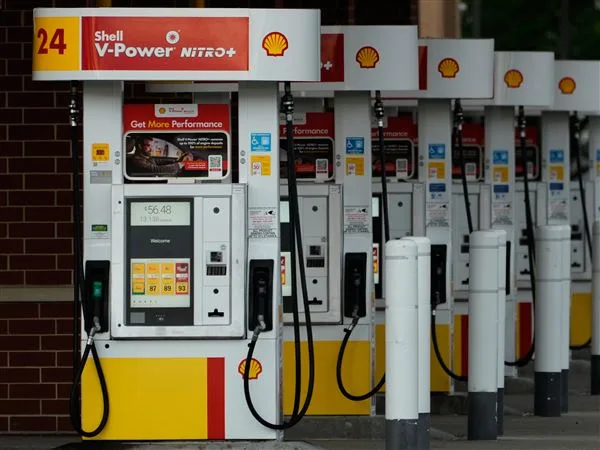
Inflation showed signs of easing last month, driven largely by a notable drop in gas prices that alleviated pressure on consumer costs. Energy expenses have historically played a key role in inflation trends, so this decrease provided some relief to households and businesses facing higher prices.
Despite the encouraging data, experts warn that geopolitical instability, particularly the resurgence of conflict in Iran, could disrupt global energy markets and reverse the recent gains. Increased tensions in this oil-producing region may lead to supply uncertainties, causing fuel prices to spike once again and sustaining inflationary pressures.

The Consumer Price Index report indicated that while the overall inflation rate slowed, core prices excluding volatile energy and food sectors remained steady, signaling that inflation is not yet fully under control. The possibility of renewed disruptions in oil production adds complexity to the Federal Reserve’s efforts to manage inflation without hampering economic growth.
Consumers should remain aware that fuel costs may fluctuate as international events unfold, potentially influencing transportation and product prices. The delicate balance between easing inflation and external shocks underscores the challenges facing policymakers in the coming months.