

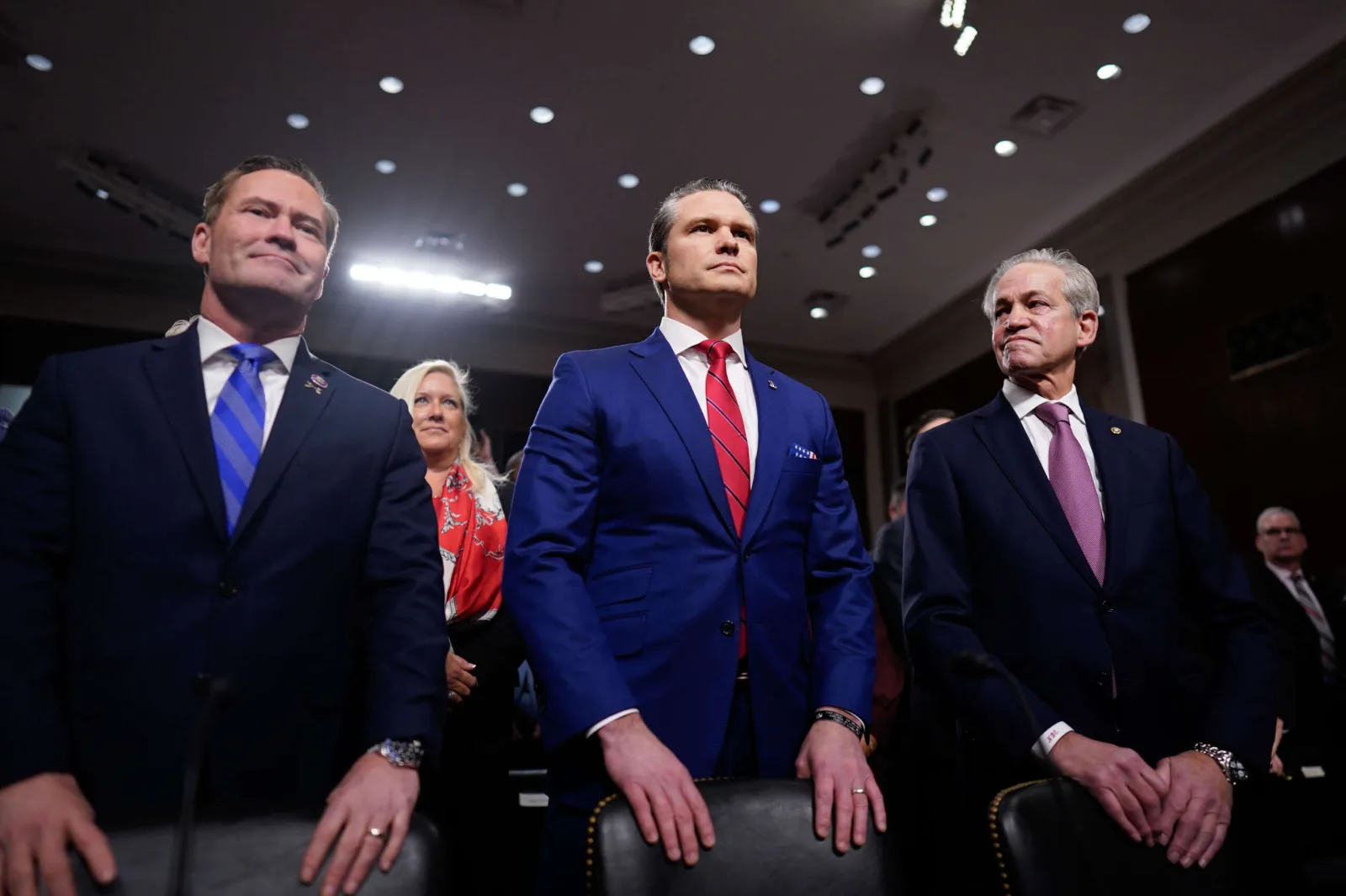
The Department of Defense unveiled a new roster for its Defense Policy Board, a key advisory committee charged with shaping Pentagon strategy and guiding senior defense officials. Among the fifteen appointees, nearly half maintain deep connections to military contractors or foreign governments, underscoring potential influence of private defense interests on public security policymaking.
Highlighting Silicon Valley's expanding role in defense, Marc Andreessen—co-founder of the venture capital firm Andreessen Horowitz (a16z)—secured a position on the board. a16z has invested heavily in military technology startups such as Anduril, Saronic, Skydio, and Shield AI, all of which hold Pentagon contracts. Andreessen's appointment signals the Pentagon's increasing reliance on—and partnership with—technology firms shaping the future of warfare.

Equally notable is the committee’s vice chair, former Senator Norm Coleman, who now lobbies for the Saudi Arabian government. Coleman played a critical role in restoring Washington’s diplomatic ties with Riyadh following the assassination of journalist Jamal Khashoggi and amid ongoing conflict led by Saudi Arabia in Yemen. His presence on the board raises scrutiny regarding foreign influence in U.S. defense policy, especially given his instrumental support during the confirmation of Defense Secretary Pete Hegseth.
Another appointee, Theo Wold, holds a senior advisory position at Palantir Technologies, a company providing data analytics software to the Department of Defense, the CIA, and allied governments including Israel and Ukraine. Palantir’s systems have been operational in U.S. military campaigns such as the initial strikes in the conflict with Iran, according to reports. Blake Masters, who has ties to Palantir co-founder Peter Thiel and the private investment sector, also joined the board, further cementing the overlap between defense technology investments and policy advisement.
This concentration of individuals simultaneously involved with defense contractors and foreign clients triggers concerns about potential conflicts when advising on U.S. security matters. Critics argue that lobbyists for foreign regimes with contentious records should not influence Pentagon policy. Advocates for transparency warn that such appointments risk prioritizing corporate or international interests over national security.