

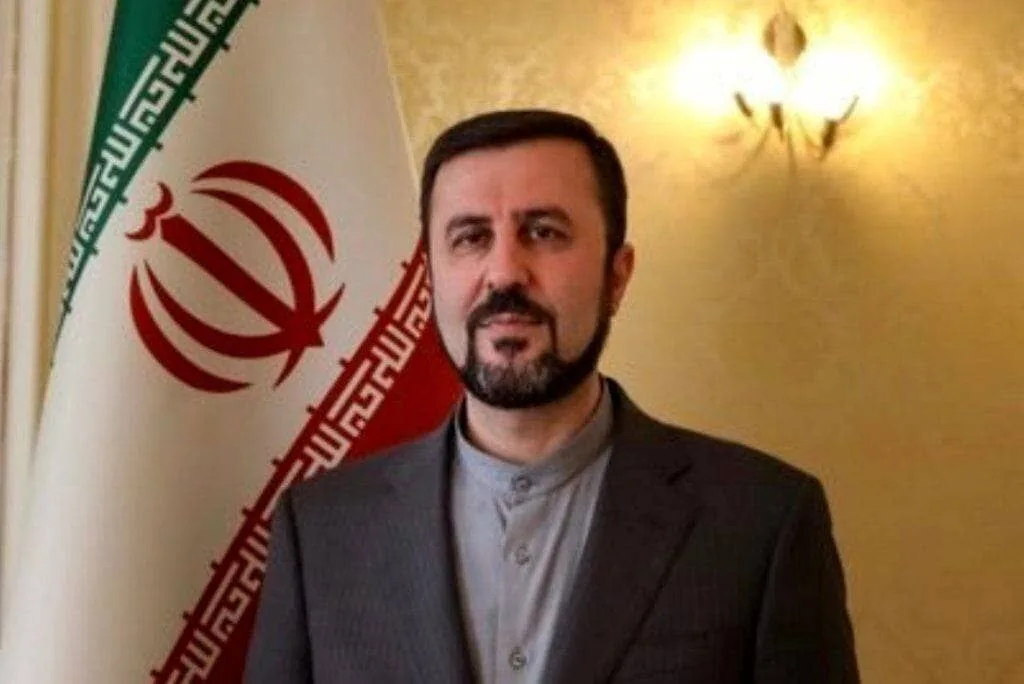
Iran has firmly rejected any military activity from outside powers in the Strait of Hormuz, stressing that the strategic passage must remain free from foreign military demonstrations. Iranian Deputy Foreign Minister Kazem Garibabadi declared that safeguarding the strait’s security is the responsibility of its coastal states, warning that those who provoke tensions there will face consequences.
Garibabadi called the Strait of Hormuz a sensitive area that should not be used as a stage for military posturing by countries beyond the region. He proposed that Iran and Oman, the two nations bordering the strait, jointly govern its security and administration. Additionally, he advocated for charging fees for various services rendered within the waterway, highlighting the need for regulated management under coastal states’ authority.

The latest statements come amid ongoing regional tensions involving Iran, the United States, and Israel related to Iran’s nuclear program. According to Iranian officials, earlier this year, U.S. and Israeli forces conducted airstrikes on Iranian targets, prompting missile and drone retaliations against Israel and U.S. facilities nearby. Following several months of conflict, a ceasefire brokered by Pakistan took effect in April, and a peace memorandum between Iranian President Masoud Pezeshkian and U.S. President Donald Trump was signed in June.
Subsequent talks between Iran and the U.S., mediated by Pakistan and Qatar, have aimed at stabilizing the region further. Iran's current stance underscores its commitment to controlling the Strait of Hormuz through regional partnership rather than external military interventions.