

Israel intensified its military response with airstrikes on Beirut’s southern suburbs, an area known as Dahiyeh, after Hezbollah fired rockets into northern Israeli territory, including near the city of Haifa. The Israeli government cited repeated ceasefire violations by Hezbollah and attacks against Israeli communities as justification for the strikes.
In a joint statement, Israeli Prime Minister Benjamin Netanyahu and Defense Minister Israel Katz warned residents in the targeted Beirut suburbs to evacuate immediately. The Israeli military’s spokesperson confirmed that further attacks would follow if Hezbollah continues its rocket fire, underscoring that Dahiyeh remains a stronghold for the militant group.

Hezbollah had previously agreed to halt hostilities under a ceasefire brokered in mid-April, but resumed attacks after Israeli strikes in Lebanon. This recent flare-up complicates ongoing efforts to extend the ceasefire in the wider Iran regional conflict, as Tehran demands Lebanon’s inclusion in any deal.
Following Israel’s warning, mass evacuations of civilians from Dahiyeh were reported, creating significant traffic congestion as families sought refuge in other parts of Beirut. One university student described fleeing with his family due to the escalation, highlighting the tension felt by local residents.
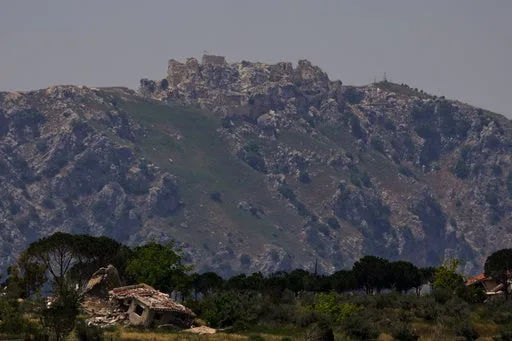
Israeli airstrikes on southern Lebanon overnight targeted multiple towns and villages near Nabatiyeh and Beaufort Castle, leaving six casualties, including a Syrian national. A separate airstrike damaged the Jabal Amel Hospital in the port city of Tyre, with footage showing panicked patients and structural damage.
The Israeli military stated its air defenses intercepted two rockets launched from Lebanon and neutralized a suspicious aerial target within its southern operating zone, reporting no casualties. Meanwhile, Hezbollah claimed to have launched rocket and missile attacks on northern Israel and targeted Israeli military positions near the Litani River and in Tiberius.