

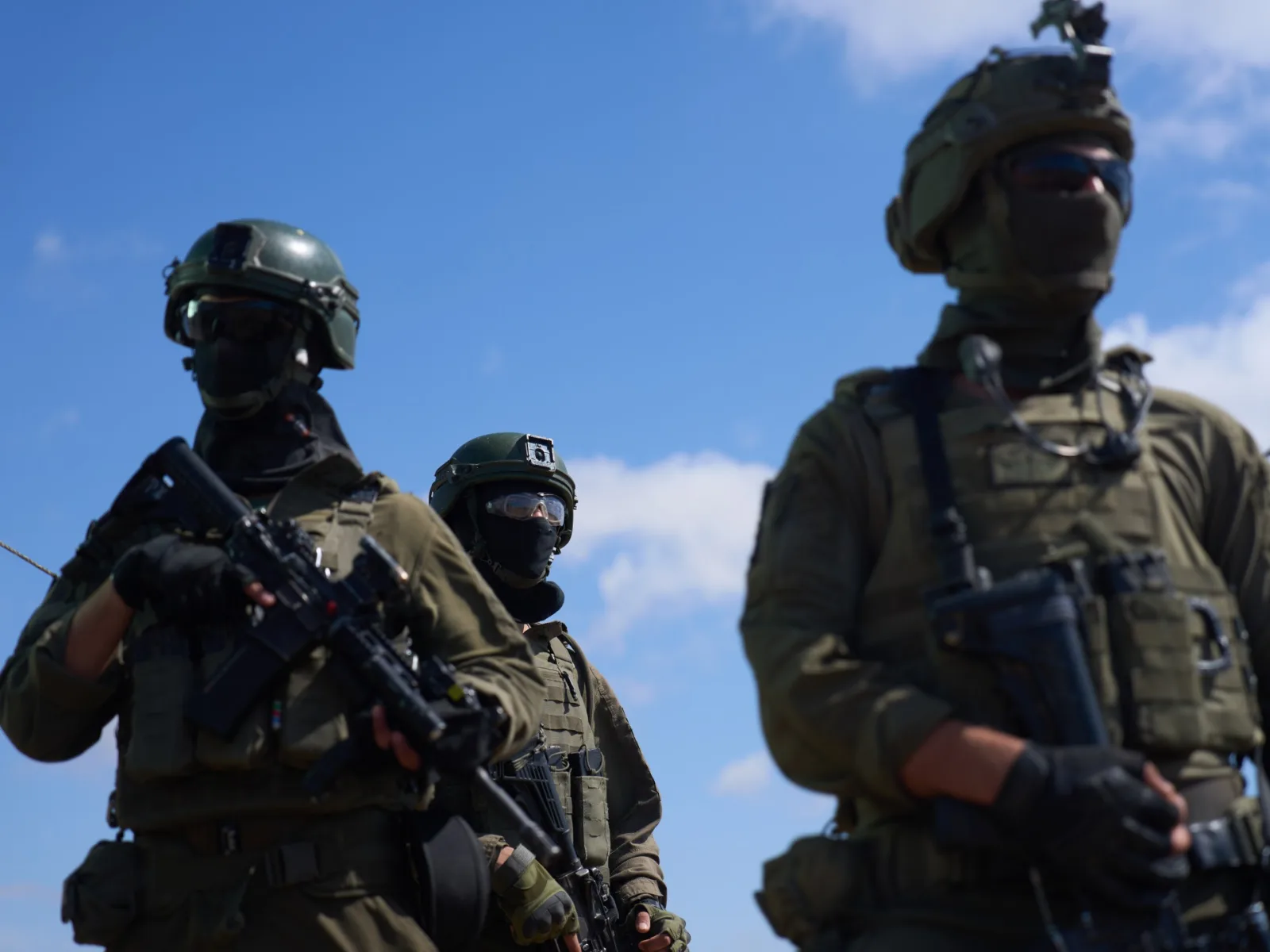
Throughout the recent Eid al-Adha holiday, Israeli forces maintained intense military actions in Gaza and the West Bank, resulting in significant Palestinian casualties and escalating unrest. The Gaza Ministry of Health reported that at least 33 Palestinians were killed and over 130 wounded during the four-day period of Eid, despite a ceasefire supposed to cover the enclave.
Among the victims was Ahmad Ali Helles, 37, reportedly the last survivor of his immediate family, who died in a drone strike on Shawa Square in Gaza City. Another casualty, Dr. Jamal Abu Aoun, head of anesthesia at Yafa Hospital, was killed near Al-Aqsa Martyrs Hospital in Deir el-Balah by Israeli forces. Violence extended into the occupied West Bank, where a settler set fire to a home and car in Khirbet Masoud near Jenin, and spray-painted “Mazel tov” — Hebrew for “congratulations” — mocking the Eid festivities. Concurrently, Israeli soldiers used tear gas against families visiting relatives’ graves in Jenin, a traditional Eid practice, and security personnel forcibly removed a woman’s headscarf during a visit to Jerusalem’s Al-Aqsa Mosque.

The continuing violence underscores mounting isolation and growing defiance within Palestinian areas. On May 28, the United Nations added several Israeli entities to its annual blacklist citing credible allegations of rape and sexual violence tied to the ongoing conflict. The list includes military and police units, with abuses reported at facilities such as the Sde Teiman military camp and detention centers. Palestinian group Hamas remains on the list as well. Israel responded to the UN report by severing ties with Secretary-General Antonio Guterres, heightening diplomatic tensions.
International outrage also intensified following the Global Sumud Flotilla incident, in which Israeli forces violently detained activists attempting to deliver humanitarian aid to Gaza. France requested a criminal investigation into the treatment of its citizens on board the flotilla, while the European Union imposed sanctions on extremist settler groups like Nachala and Regavim, the latter co-founded by Israel’s Finance Minister Bezalel Smotrich.
Despite mounting international pressure and an existing ceasefire from October, Israeli Prime Minister Benjamin Netanyahu publicly directed the military to expand control over Gaza to approximately 70 percent of the territory, signaling a continued intent to reinforce Israeli dominance in the region. Video footage broadcast on Israel’s Channel 12 showed Netanyahu instructing the army to increase its territorial hold, intensifying fears of further conflict escalation amid Eid’s solemnity.