

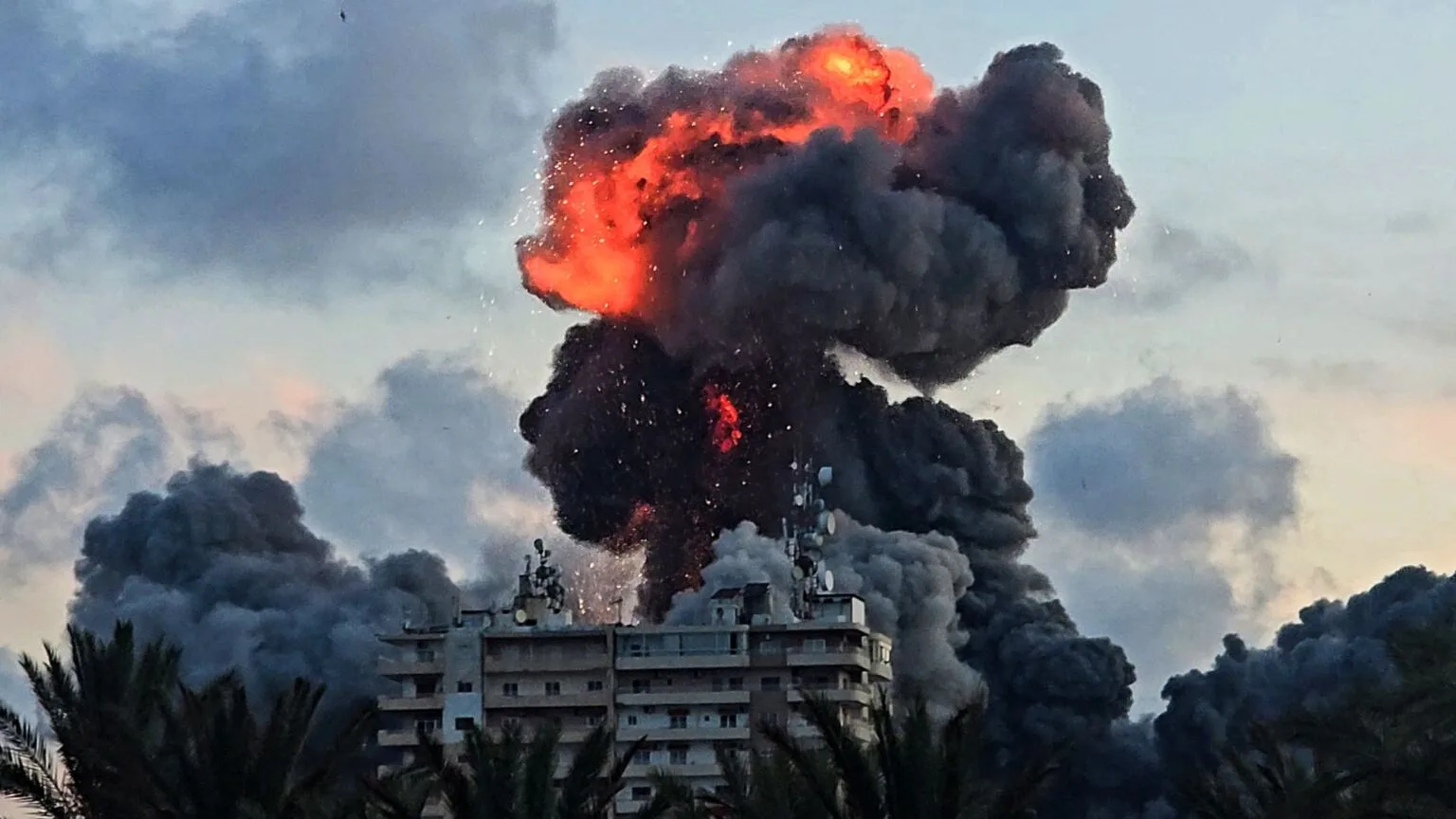
Israel remains engaged in a tense military conflict with Hezbollah forces positioned across its northern border in Lebanon. The conflict stems from repeated rocket attacks that have targeted Israeli towns, prompting large-scale civilian evacuations and raising concerns over national security.
The roots of this tension trace back to a United Nations Security Council resolution that, years ago, demanded Hezbollah’s disarmament and withdrawal from these border areas. Despite this mandate, the militia has maintained a stronghold in southern Lebanon, with its presence unchecked by the Lebanese government, which lacks the capacity or will to remove them.

This persistent threat has forced Israel’s hand in launching operations intended to weaken Hezbollah’s military capabilities. The urgency to protect Israeli citizens is underscored by the memory of devastating terrorist attacks executed from Lebanon in previous years, reinforcing the government's determination to act proactively.
International reactions have largely focused on urging restraint, often without offering viable strategies to counter Hezbollah’s entrenched position. Critics have condemned Israel’s military actions while failing to address the complex security challenges it faces, leaving the Israeli leadership in a difficult position.
Among the voices calling for Israel to cease its campaign was a high-profile foreign official who emphasized the need for de-escalation but provided no concrete solution for Hezbollah’s disarmament. Similar pressures came from allies, including a tense exchange with the US President, who reportedly criticized the Israeli prime minister for continuing the offensive, citing concerns over broader diplomatic efforts involving Iran.
The core dilemma persists: Israel confronts a hostile actor accountable for ongoing violence on its border, with limited international support and increasing diplomatic isolation. The nation’s leadership insists that halting military operations without a secure alternative risks its citizens’ safety and undermines long-term stability in the region.