

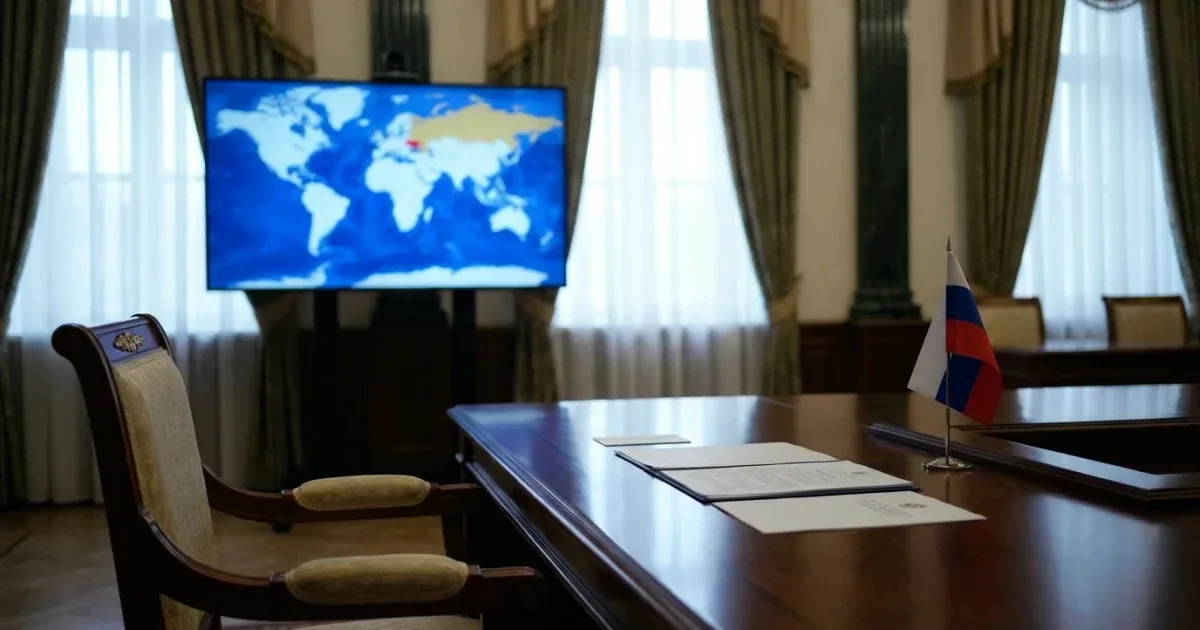
Russian President Vladimir Putin reaffirmed his nation’s military objectives in Ukraine, emphasizing that any peace negotiations must address Moscow’s fundamental security concerns and territorial claims. Speaking amid ongoing hostilities, Putin underscored that Russia’s stance remains unchanged despite international calls for diplomacy.
While peace talks remain on the agenda, Putin expressed doubt about near-term prospects, citing persistent Western support for Kyiv and the Ukrainian government’s unwillingness to engage under conditions favorable to Russia. This skepticism reflects entrenched divisions that continue to stall meaningful dialogue.

The conflict’s toll is severe, with millions of refugees and displaced persons documented by international agencies, and a growing number of civilian casualties reported by human rights monitors. Military aid to both sides has shifted battlefield dynamics, further complicating the prospect of a ceasefire.
International observers note the complex environment for diplomacy, with frequent ceasefire violations and deep mistrust between the parties. Both Russia and Ukraine maintain firm prerequisites that hinder confidence-building efforts. Analysts emphasize that durable peace is unlikely without sustained international involvement and realistic negotiation frameworks.
The broader humanitarian and economic consequences persist sharply. Ukraine faces significant infrastructure damage and economic contraction, while both countries grapple with the fallout of prolonged conflict. Relief organizations continue to call for expanded aid to address urgent needs among affected populations.