

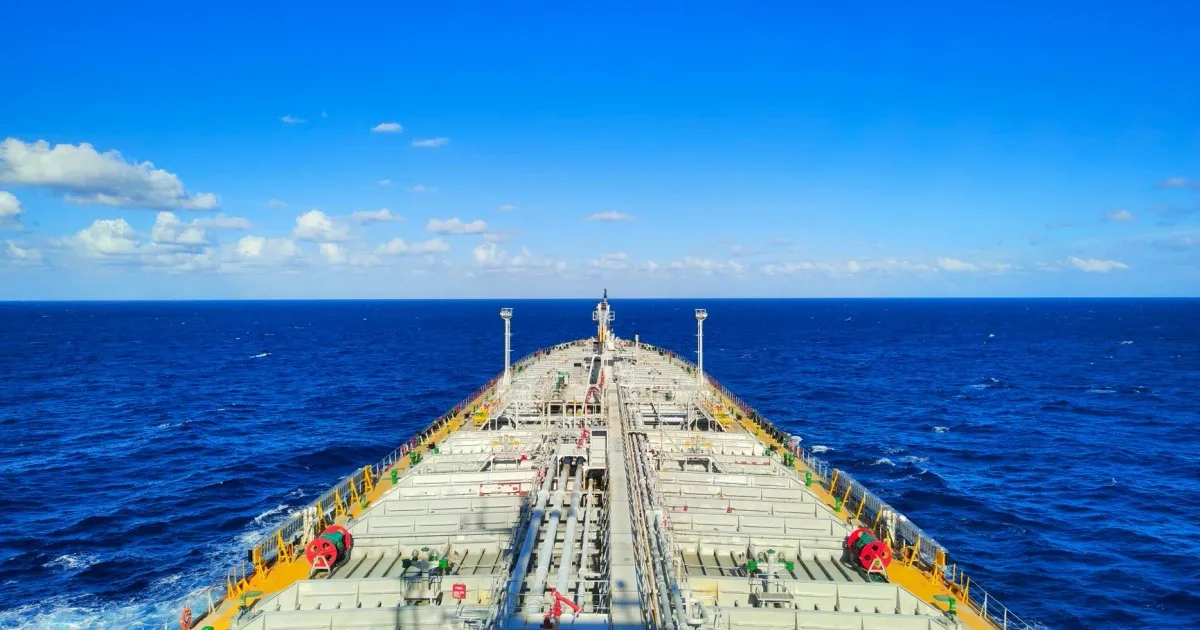
Markets reacted sharply as fresh military exchanges between the United States and Iran reignited concerns over the security of the Strait of Hormuz, a critical chokepoint for global energy supplies. Brent crude prices surged above $78 per barrel amid fears that the flow of oil could be restricted, intensifying worries of a broader energy shock.
The impact was particularly severe in Asia, where South Korea’s KOSPI index plunged nearly 7%, triggering a sell-side sidecar that temporarily halted program-driven trading. Iran’s claim that it had again closed the strait following heavy missile and drone attacks, alongside U.S. retaliatory strikes on vessels passing through the waterway, escalated tensions that many traders feared would ripple far beyond the region.

The rise in oil prices and heightened geopolitical risks also strengthened the dollar against most currencies, as investors braced for higher inflation and the potential for prolonged tight monetary policies by central banks. This combination poses immediate challenges for industries sensitive to fuel costs, such as airlines and shipping, where elevated crude prices quickly translate into increased gasoline, jet fuel, and freight expenses.
For investors, the convergence of weaker stock futures, notable losses in Asian equities, and a stronger dollar underscored how geopolitical conflicts can pressure portfolios through multiple channels, affecting both equity markets and currency valuations.
Compounding market volatility, traders faced a demanding corporate earnings calendar, making it more difficult for financial markets to absorb the renewed energy supply threat without significant repricing across sectors. The Strait of Hormuz’s importance lies in its role as a maritime route carrying a substantial proportion of the world’s oil shipments. Even the threat of its closure prompts higher costs for refiners, insurers, and manufacturers, well before any actual supply curtailment occurs.
Economic policymakers confront additional risks as ongoing inflation pressures interact with supply uncertainties. The U.S. Energy Information Administration recently raised its global oil production outlook, signaling how swiftly supply assumptions can shift when the strait remains open. Nevertheless, analyses from the Federal Reserve Bank of Dallas indicate that an Iran-related oil shock could boost headline inflation noticeably, complicating current strategies to ease monetary tightening.