

Ukraine’s urgent need for more robust air-defense systems took center stage at a recent international meeting in Paris, where Western allies rallied to increase military support amid a surge of ballistic missile attacks. After a devastating strike involving 23 ballistic missiles on July 6, none were successfully intercepted, highlighting a worrying shortfall in Ukraine’s defensive munitions and leaving key cities exposed to heavy damage.
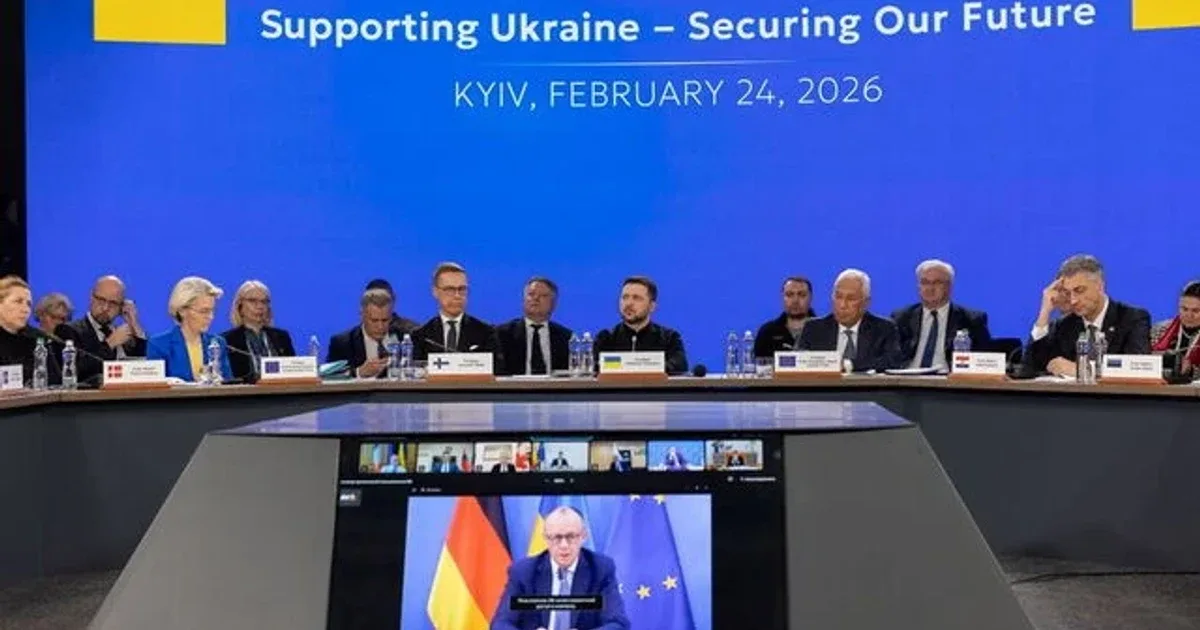
The gathering brought together at least 25 leaders under the “Coalition of the Willing,” a concerted effort launched earlier this year by France and the United Kingdom to bolster Ukraine’s defenses. During the summit, Ukraine’s president emphasized the critical shortage of interceptor missiles and urged partners not only to supply more interceptors but also to accelerate their production. This call reflects growing concerns about sustaining Ukraine’s ability to counter air threats amid ongoing Russian missile barrages.

Recent data from the Ukrainian air force underscores these vulnerabilities: only four out of 49 ballistic missiles launched in July were successfully neutralized. The consequences have been severe, with casualties including at least 20 people in a single attack and dozens more injured. The fatal toll in Kyiv’s vicinity alone reached 28, illustrating the human cost of the defense shortfall.
France’s foreign minister described the missile strikes as deliberate attacks on civilian populations, marking June as one of the deadliest months since the conflict began. Ukraine’s leadership is also pushing for U.S. authorization to produce Patriot missile systems domestically, a strategic move that would not only strengthen national defense but could also enable Ukraine to aid its allies with more effective air-defense capabilities in the future.
The Paris summit expanded the Coalition of the Willing to 35 countries, including the recent addition of Moldova and North Macedonia, reflecting growing regional concern over security threats. French President Emmanuel Macron indicated that discussions extended beyond missile defense to include challenges posed by Russia’s covert naval assets, enhancement of Ukraine’s military capacities, mobilization of the defense industry, and deeper operational coordination among member states.