

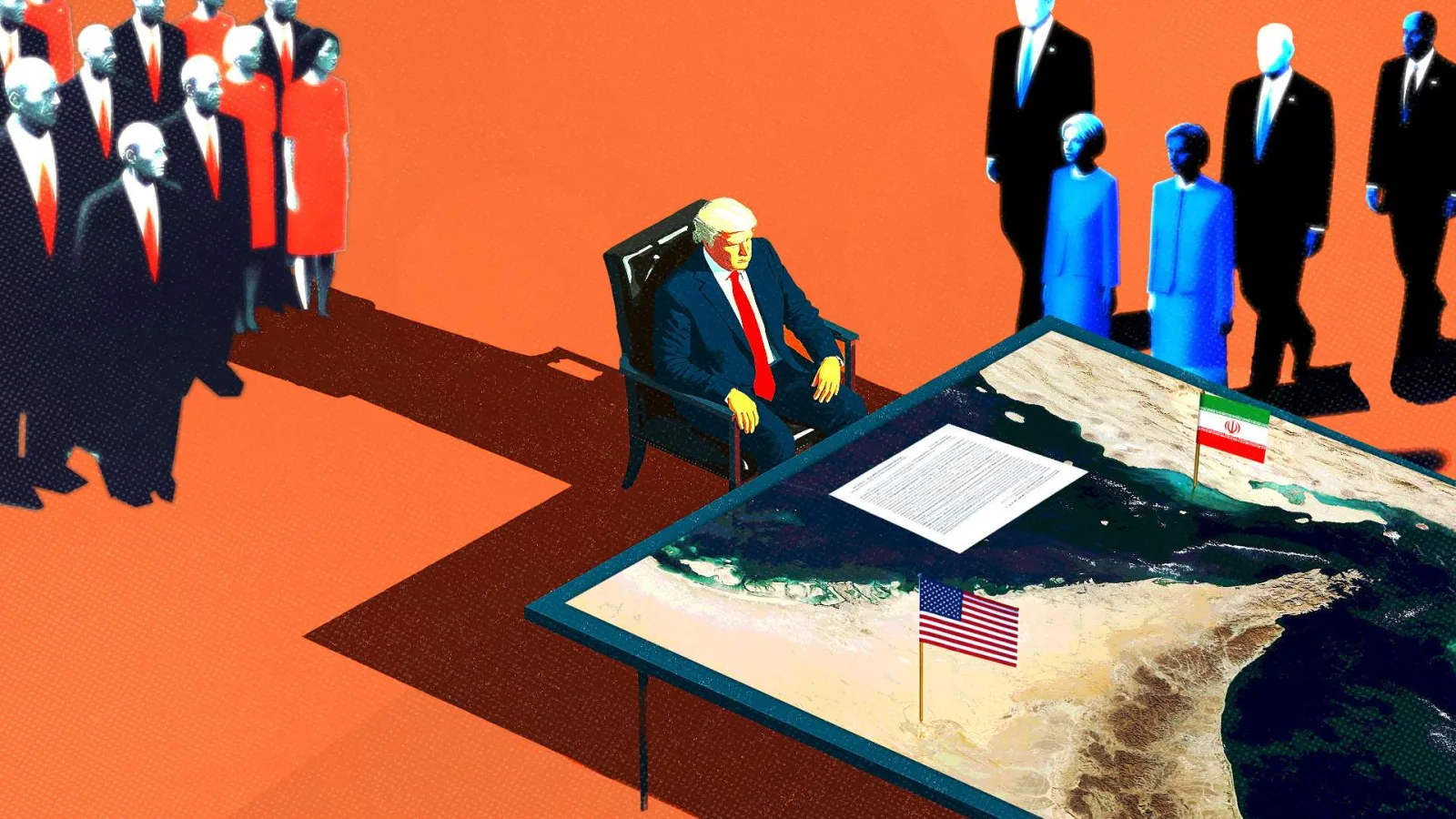
Efforts to establish a peace agreement with Iran face mounting obstacles as both Republican hawks and some Democrats express concerns that challenge the progress of ongoing negotiations. Republican leaders openly oppose any deal, preferring continued military pressure, while a faction of Democrats has aligned with these hawks, casting doubt on the peace initiative in ways that complicate the process.
The proposed agreement involves mutual steps to de-escalate tensions, including lifting blockades around the strategic Strait of Hormuz and negotiating a broader deal that would reduce Iran’s nuclear program in exchange for eased U.S. sanctions. Despite agreement on these basic elements, underlying mistrust fuels demands from both sides, with each seeking contractual guarantees that the other will not back out.

Republican voices have criticized the peace talks sharply. Former Secretary of State Mike Pompeo urged a more aggressive approach focused on degrading Iran’s capabilities rather than pursuing diplomacy, while Senator Lindsey Graham warned the deal could harm U.S. allies such as Israel. Senate Armed Services Chair Roger Wicker echoed concerns that the truce would undermine efforts to "finish the job" begun through military measures against Iran.
At the same time, some Democrats have shifted from opposing military engagement with Iran to expressing skepticism about the peace negotiations themselves. Senators Cory Booker and John Fetterman have warned that the deal risks providing Iran with financial resources to bolster its military reach, framing the talks as a politically motivated concession. This unexpected alignment with Republican hawks has intensified congressional pressure against the administration’s pivot toward diplomacy.
President Donald Trump initially announced that a peace agreement was "largely negotiated," framing himself as a more effective dealmaker than former President Barack Obama. However, following critical backlash, he reportedly sent back revised, tougher terms to Iranian negotiators to address congressional concerns. Despite these adjustments, progress remains slow and fragile amid ongoing testing of boundaries through military incidents on the ground.
This bipartisan resistance complicates efforts to end hostilities that had originally escalated under the Trump administration, illustrating a recurring pattern of political forces impeding diplomatic resolution. The stalled negotiations underscore the challenges of balancing security interests, domestic politics, and regional stability in one of the world’s most sensitive flashpoints.