

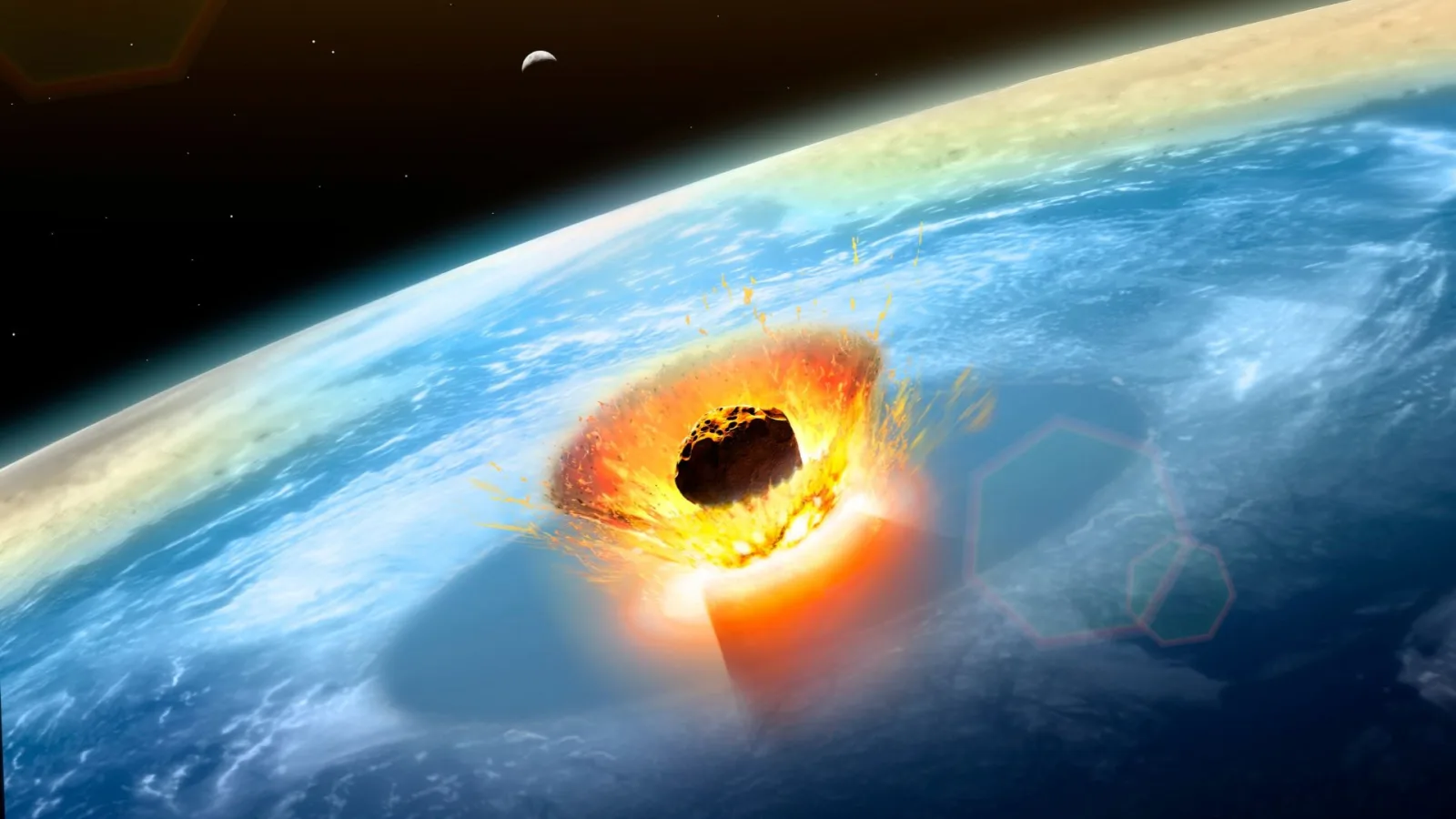
Scientists have employed over 1,500 one-dimensional simulations using the Spheral code to analyze how an asteroid could react to the detonation of a nuclear device. Their findings aim to improve understanding of asteroid deflection, a critical component of planetary defense against potential Earth impacts.
The simulations explore different scenarios of energy deposition and interaction within the asteroid’s structure. By modeling the physical response to nuclear blasts, researchers seek to determine whether the device’s shockwaves and thermal effects can effectively change the asteroid’s trajectory or disrupt it sufficiently to avoid collision with Earth.

The study focuses on variables such as asteroid composition, internal heterogeneity, and the energy yield of the nuclear device. These factors influence the effectiveness of deflection attempts, as different asteroid materials and structures absorb and disperse energy differently. Reliable predictions require detailed understanding of these parameters to design successful mitigation measures.
By simulating a wide range of scenarios, the research contributes to developing contingency plans for planetary defense missions, such as kinetic impactors or nuclear detonations, which might be deployed if an imminent threat is detected. This work complements ongoing efforts from space agencies to prepare for potential asteroid collisions with Earth through early detection and deflection technologies.