

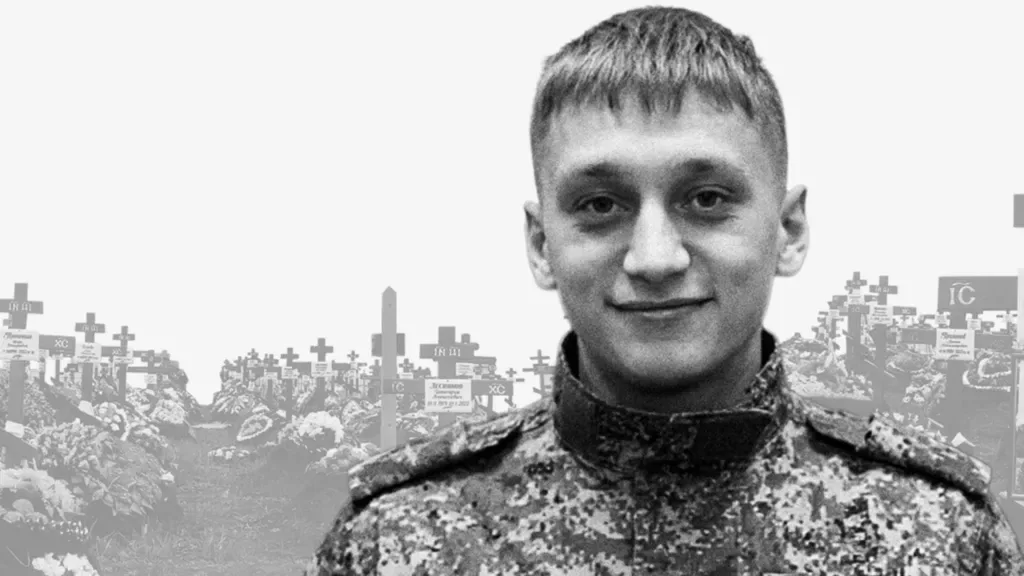
Russia has intensified efforts to replenish its military ranks by recruiting young students from universities and technical colleges as drone operators, a role portrayed as specialized and less hazardous but increasingly exposing them to frontline combat. This campaign, initiated earlier this year, seeks particularly those struggling academically or pausing their studies, aiming to sustain Russia’s war effort as it extends into its fifth year.
Despite brief training periods focused on drone operation, many recruits have faced deadly circumstances. Valery Averin, a 23-year-old with no prior military experience, was trained as a drone operator after three months of instruction but was soon sent into direct assaults. He was killed near Russian-occupied Luhansk, showing the perilous conditions even for those in technical roles. His foster mother described how he initially concealed his military engagement, believing he was working at a civilian company, only to later inform her of his deployment to a no-contact signal zone.

Other young recruits include Vladislav Gorbunov, 18, who initially served in infantry before transferring to drone operations, and Rakhim Abdullin, who left his mining college studies to sign a military contract. Abdullin’s mother highlighted the dangerous reality behind the drone operator label, revealing that such units are frequently near frontline combat. All three men died within months of enlistment, underscoring the high risks faced by these students-turned-soldiers.
The recruitment drive comes as Russia confronts mounting casualties in Ukraine. BBC research has verified over 230,000 Russian military deaths through official registries and public records. Experts estimate the actual toll could be nearly double, implying losses of over 400,000 personnel. This staggering figure fuels Russia’s renewed focus on young recruits in educational institutions, a move that raises concerns about the vulnerability and preparedness of these inexperienced soldiers under battlefield conditions.
The push to enlist students in drone units signals an adaptation in Russia’s approach to manpower shortages, highlighting an increased reliance on technically trained but inexperienced youth, many of whom face hazardous missions shortly after minimal training. This recruitment trend not only impacts the demographic composition of Russia’s forces but also reflects the prolonged demands of the conflict in eastern Ukraine.