

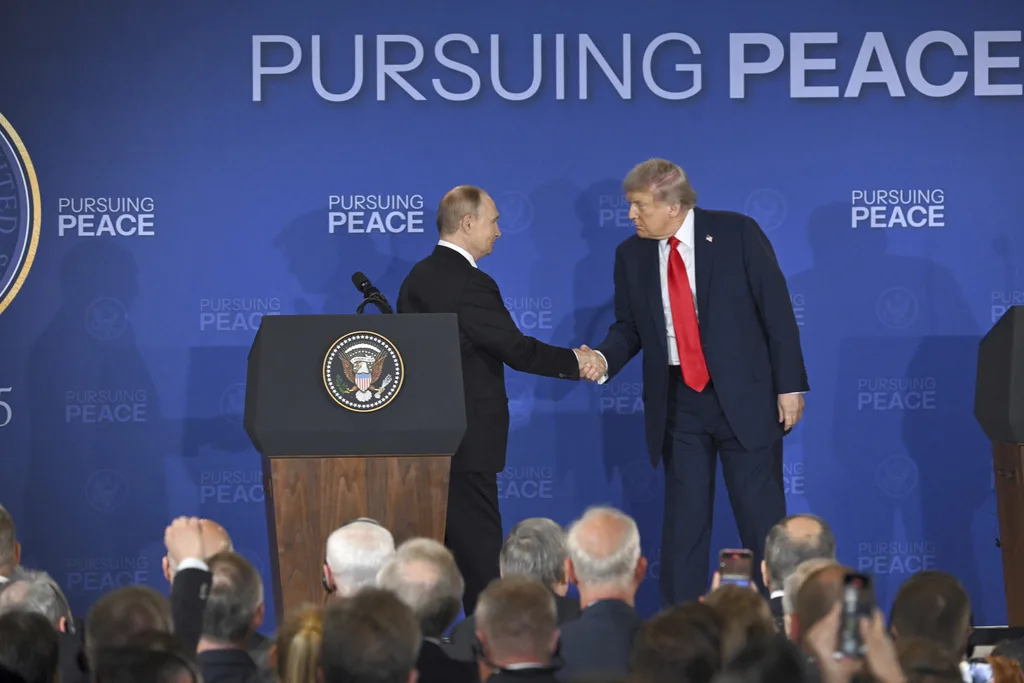
President Donald Trump recently acknowledged the contributions of Russian President Vladimir Putin and Chinese President Xi Jinping in facilitating a diplomatic agreement with Iran that aimed to end hostilities. During a long phone interview, Trump highlighted their cooperation, or at least their abstention from disrupting a vital maritime blockade in the region. He described Xi as "a total gentleman" for not deploying military forces to challenge the blockade.
However, this portrayal starkly contrasts with verified reports showing both Russia and China actively assisted Iran in targeting American troops. Intelligence assessments reveal that Russia provided Tehran with satellite imagery and intelligence on US troop locations and movements, directly enabling precision attacks. Similarly, the US State Department imposed sanctions on Chinese companies supplying arms to Iran, indicating a broader pattern of assistance rather than neutrality.

The conflict’s toll included the deaths of thirteen US service members and hundreds more wounded, largely due to Iranian missile strikes supported by these foreign backers. Despite multiple inquiries, neither the White House nor the embassies of Russia and China in Washington addressed requests for clarification on the extent of their involvement or Trump's assertions regarding their help in brokering the deal.
Trump’s comments emerged during an interview marking his 80th birthday, where he also claimed that the war with Iran ultimately reshaped the Middle East in America's interests. Yet, critics and analysts have underlined the paradox of crediting leaders who bolstered Iran’s military capabilities while ignoring the consequences imposed on US forces.