

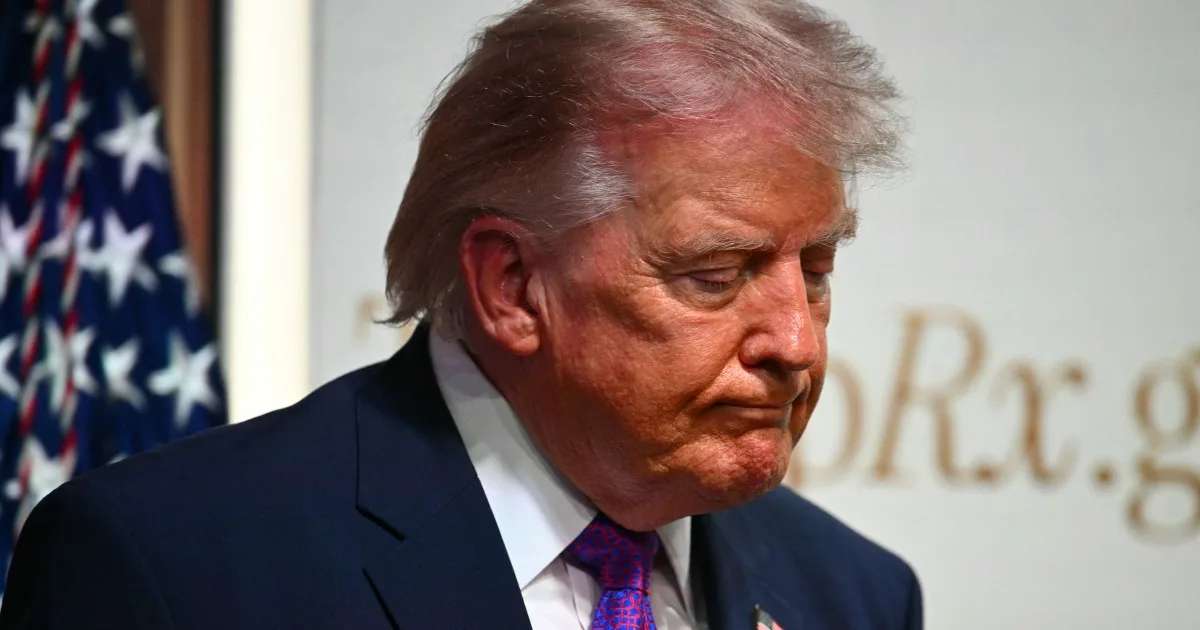
President Donald Trump announced a pause in the scheduled military attack on Iran after receiving requests from Gulf leaders and amid ongoing negotiations aimed at resolving the conflict. This decision came shortly after Iran submitted a new 14-point peace proposal to Washington through Pakistan, raising cautious hopes for a diplomatic breakthrough.
The ceasefire, which began six weeks into the war, has largely reduced armed clashes but has yet to deliver a lasting peace agreement. Trump emphasized that while he has halted the upcoming strike, he ordered US military forces to remain prepared for immediate large-scale action if negotiations fail to produce an acceptable deal.

The latest Iranian peace plan reportedly includes demands such as the unfreezing of Iranian assets held abroad, lifting of economic sanctions, compensation for damages from US-Israeli attacks, an end to the US naval blockade of Iranian ports, and cessation of hostilities across all conflict zones. Though the full details have not been publicized, the plan is said to reflect longstanding Iranian positions consistently advocated in prior talks.
Recent tensions escalated when Saudi Arabia intercepted multiple drones following attacks on energy infrastructure in the United Arab Emirates, highlighting ongoing risks of renewed military escalation in the Gulf region. Despite these incidents, Trump’s communication via social media signaled urgency for Iran to act swiftly to secure peace while confirming his responsiveness to diplomatic outreach by regional partners.
Attempts at direct negotiation, mediated by Pakistan in Islamabad, stalled previously, and Trump recently described the ceasefire as “on life support,” underscoring the fragility of the situation. Nonetheless, the current diplomatic exchange indicates both sides remain engaged, with the US and Iran exchanging multiple proposals in a bid to settle the conflict peacefully.