

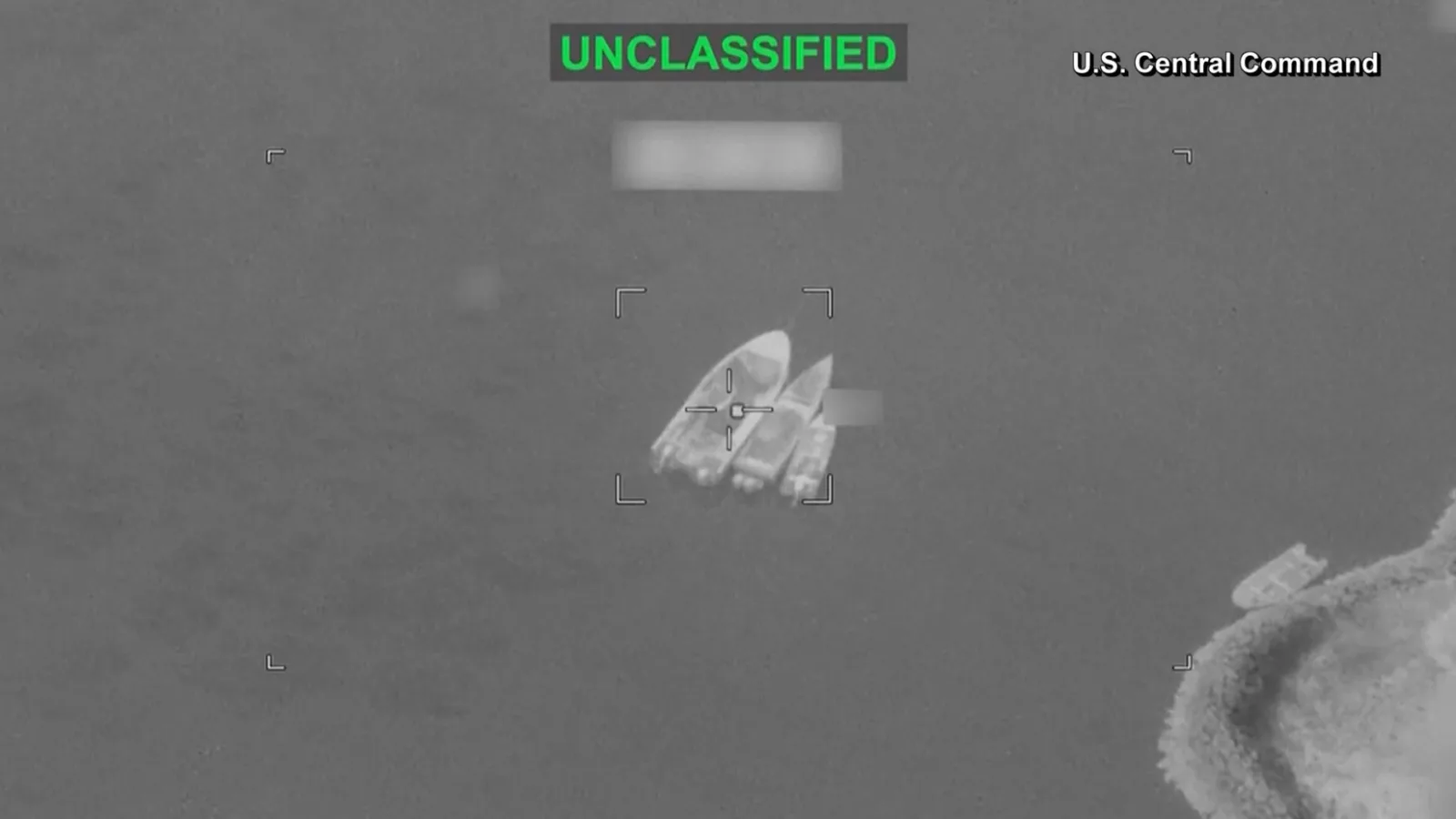
President Donald Trump announced a resumption of U.S. military strikes against Iran, emphasizing that the temporary ceasefire following Iranian attacks on American forces in the Gulf had ended. Speaking at a NATO summit in Turkey, Trump confirmed that the U.S. had already conducted significant strikes the previous night and indicated further operations could follow. He threatened to target Iranian civilian infrastructure, including electric power and desalinization plants, and mentioned plans to seize Kharg Island, a vital oil hub.
The escalation follows a series of Iranian drone and missile attacks on commercial ships transiting the Strait of Hormuz, a strategic chokepoint for global energy supplies. Trump accused Iran of aggressive behavior and said the U.S. military’s retaliatory strikes were intended to impose heavy consequences for disrupting international shipping lanes and threatening innocent crews. These developments have raised fears of a broader military conflict engulfing the region, while oil prices surged amid increased uncertainty.

Despite declaring the ceasefire over, Trump left open the possibility for continued negotiations but expressed skepticism about their potential success. Talks were originally scheduled to begin following the multi-day funeral ceremonies for Iran’s late Supreme Leader Ayatollah Ali Khamenei, seen as a moment to reduce tensions and address core issues such as reopening the Strait of Hormuz and curbing Iran’s nuclear ambitions. Iranian officials countered with defiant statements rejecting U.S. pressure.
The U.S. Central Command confirmed that recent strikes specifically targeted Iranian assets implicated in threatening commercial shipping in international waters. These actions intend to demonstrate the costs of Iran’s actions while disrupting its maritime capabilities. The situation remains volatile, with Washington signaling readiness to intensify military pressure if Iran continues hostile activities in the Gulf region.