

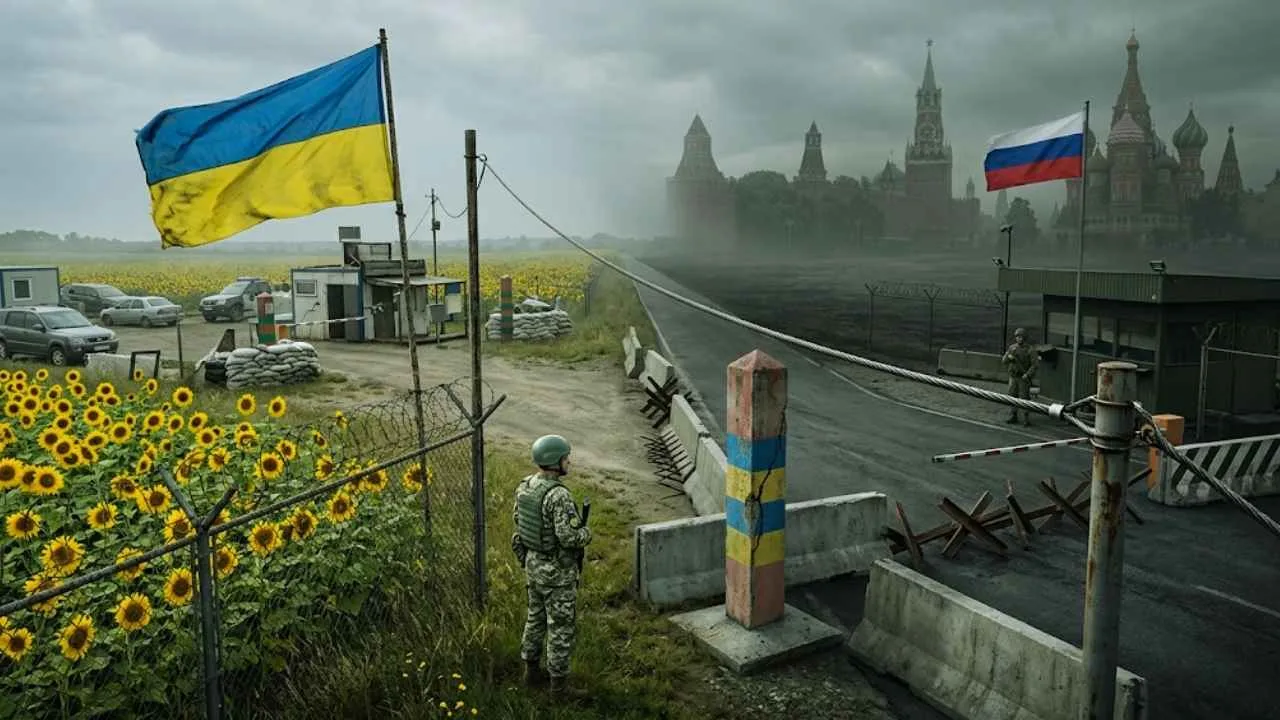
The invasion of Ukraine by Russia in early 2022 shocked the world but was the culmination of decades of historical tensions and geopolitical anxieties. This conflict is deeply rooted in intertwined histories, contested narratives, and strategic calculations that go back centuries and shaped the relations between the two nations.
At the heart of the crisis lies a dispute over identity and sovereignty. Russia views Ukraine not merely as an independent state but as a territory intrinsically tied to its own origins and cultural heritage. This perspective views Ukraine as the birthplace of the Kyivan Rus, a medieval federation that both Moscow and Kyiv claim as their foundational legacy. For many in Russia, losing influence over Ukraine symbolizes a loss of national identity and regional dominance.

Conversely, Ukraine sees itself as a sovereign nation with its own history of resistance and desire for self-determination. This tension has fluctuated through time, marked by periods of cooperation as well as brutal repression. During Soviet rule, borders between the two republics were nominal but atrocities like the Holodomor famine of the 1930s, which devastated Ukraine’s population, left lasting scars and fueled aspirations for independence.
Ukraine’s declaration of independence in the early 1990s after the collapse of the Soviet Union was a pivotal moment. It sought security assurances from global powers, culminating in agreements like the Budapest Memorandum, where Ukraine agreed to relinquish its nuclear arsenal in exchange for guarantees of territorial integrity from Russia, the United States, and the United Kingdom. However, these agreements failed to prevent later developments.
Russia’s strategic motivations for the invasion include concerns over NATO’s eastward expansion and the desire to maintain a buffer zone on its western frontier. The annexation of Crimea and the conflict in the Donbas region underscored Moscow’s efforts to assert influence and prevent Ukraine from aligning more closely with Western institutions.
The 2022 military offensive targeted major population centers, signaling an attempt not only to control territory but to disrupt Ukraine’s government and reshape its political direction. The operation has had global repercussions, triggering energy crises and exacerbating food insecurity worldwide due to disruptions in grain exports from the region.
The ongoing war reveals the complexities of post-Soviet geopolitics and how unresolved historical grievances continue to fuel violent confrontations. Understanding these layers is essential to grasp why the conflict erupted and how it affects regional and international security.