

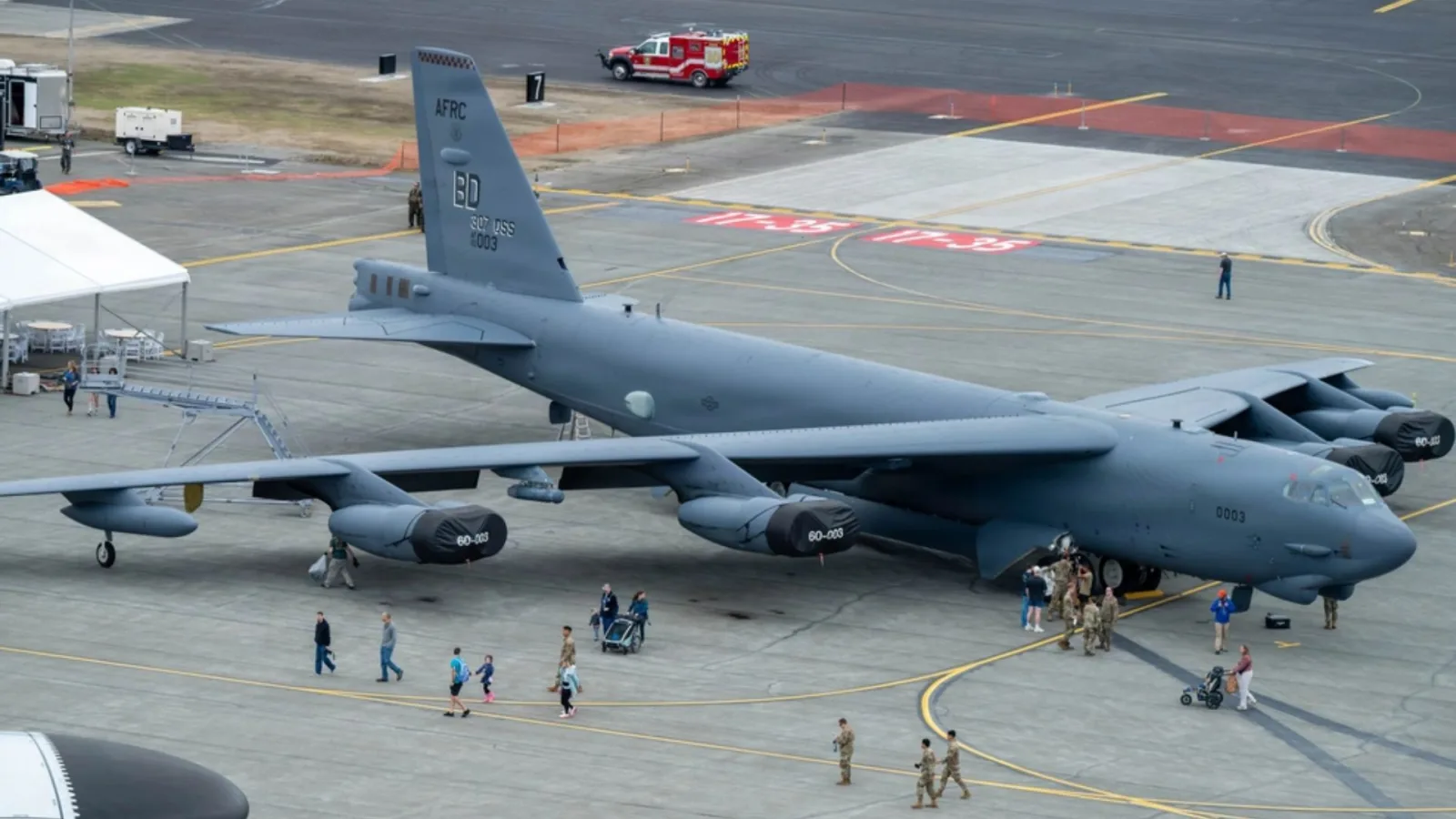
The US Air Force is committing up to $766 million to upgrade the B-52 Stratofortress, a key component of the nation’s long-range strike capabilities. Central to this effort is the production and integration of the new AN/APQ-188 active electronically scanned array (AESA) radar, replacing older radar technology to substantially improve detection, tracking, and targeting performance.
Alongside the radar modernization, the program will enhance the bomber’s weapons delivery systems, enabling it to carry and deploy a broader array of precision-guided munitions. These upgrades are designed to keep the B-52 viable and relevant well into the 2050s, supporting its role in nuclear and conventional deterrence missions.

The AN/APQ-188 AESA radar represents a significant leap forward in avionics technology, allowing faster electronic beam steering and greater resistance to jamming compared to legacy mechanically scanned arrays. This radar upgrade enhances situational awareness by providing more precise targeting data and improved tracking of multiple threats simultaneously.
In addition to radar and weapons system improvements, the modernization effort includes updates to communication and mission systems to integrate seamlessly with current and future command and control architectures. These advancements ensure enhanced connectivity and interoperability with other platforms and allied forces.
The B-52 Strategic Bomber, first introduced decades ago, remains a backbone of the US Air Force’s strategic bomber fleet because of its payload capacity and versatility. Maintaining this fleet’s operational effectiveness through technological upgrades is vital for continued deterrence as newer threats and advanced air defense systems emerge globally.
These investments underline the Air Force's commitment to extending the B-52's service life beyond the mid-21st century. The modernization contracts also support domestic defense manufacturing sectors, fostering the development and production of high-tech defense equipment.