

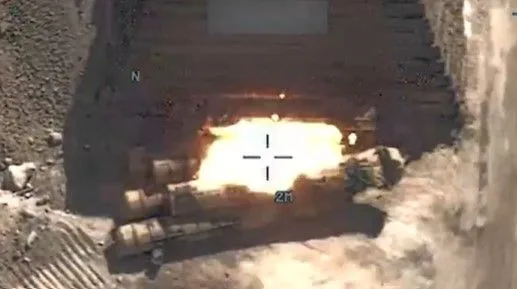
The US Central Command (CENTCOM) executed another series of strikes on Iranian military infrastructure aimed at diminishing Tehran’s capacity to disrupt commercial shipping through the Strait of Hormuz, a critical global energy corridor. The operation targeted Iranian command centers, maritime assets, missile and drone launch sites, and air defense systems in a bid to reduce Tehran’s ability to conduct attacks on vessels navigating this strategic waterway.
CENTCOM highlighted that commercial traffic remains active in the Strait despite ongoing regional tensions. Since early May, US forces have facilitated the safe passage of around 900 commercial vessels carrying approximately 450 million barrels of crude oil. The strikes form part of a broader US effort to counter what Washington describes as Iranian aggression against international maritime operations.

The Strait of Hormuz is one of the world’s most important choke points for oil shipments, and any disruption there carries significant implications for global energy markets and regional security. Washington’s military actions occur amid growing concerns of escalation across the Middle East, underscoring a precarious security environment.
In response to the escalating tensions, the US Department of State issued a global caution urging American citizens, particularly those in the Middle East, to maintain heightened vigilance. The advisory warned of potential flight cancellations, airspace restrictions, and travel disruptions. It also cautioned that US diplomatic missions and American interests worldwide could be at risk, citing possible retaliatory acts by Iran or Iran-affiliated groups.
The State Department encouraged US nationals to stay updated through official security alerts and recommended enrollment in the Smart Traveler Enrollment Program (STEP) for timely notifications. Travelers were advised to monitor local developments closely and prepare for unforeseen challenges related to the evolving security situation.