

The United States announced a cease-fire agreement between Israel and Lebanon following two days of intense negotiations in Washington. Central to the pact is a strict condition: Hezbollah must fully stop all fire and withdraw its operatives from the South Litani Sector of southern Lebanon.
The agreement also outlines the establishment of pilot zones controlled exclusively by the Lebanese Armed Forces, excluding all non-state actors, including Hezbollah. This measure aims to reinforce Lebanese sovereignty and curb the influence of armed groups outside the government’s authority.

These steps appear designed to lay the groundwork for a broader peace and security framework in the region. US Secretary of State Marco Rubio, who participated in the talks, emphasized the goal of ensuring Lebanon’s security is independent of Hezbollah or other external influences.
The cease-fire announcement followed shortly after Secretary Rubio testified before the House Foreign Affairs Committee, where he confirmed ongoing high-level discussions. The involvement of both Israeli and Lebanese officials at the State Department underscored Washington’s role as a mediator trying to broker lasting stability between the neighbors.
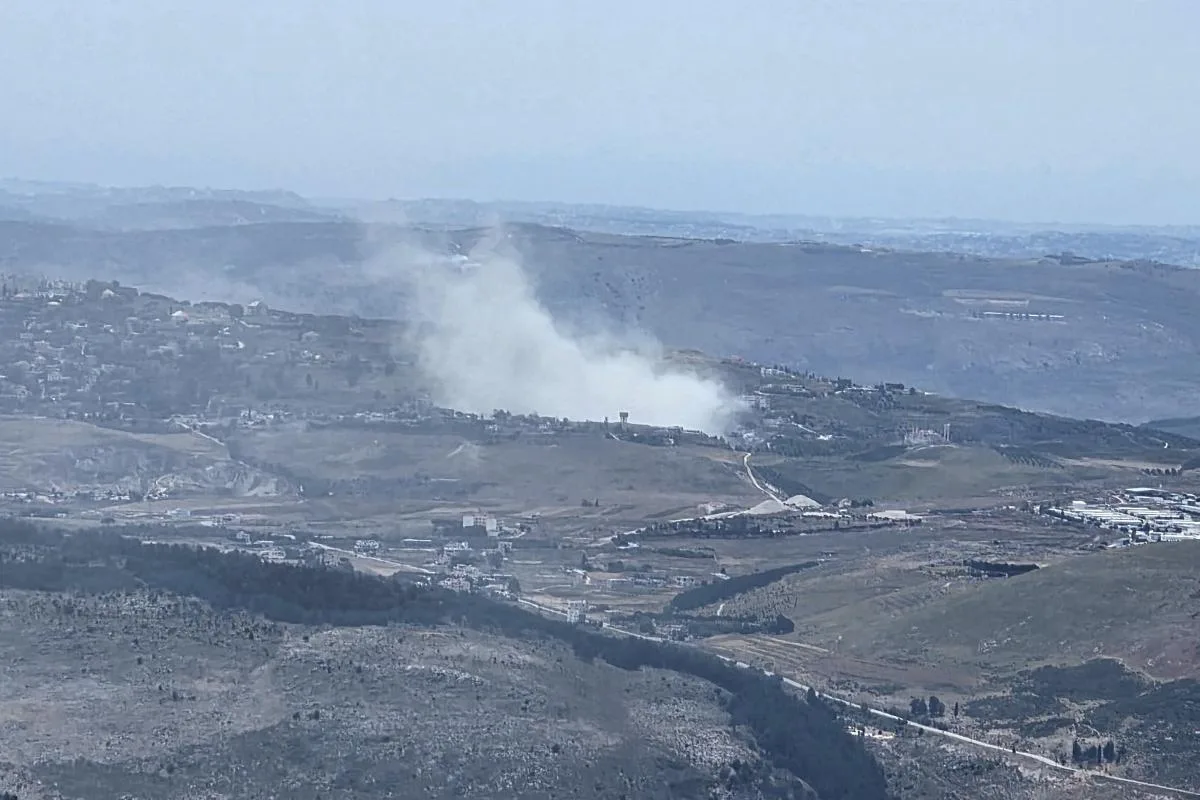
Conflict in the region has caused widespread concern, with recent airstrikes escalating tensions. The new agreement’s focus on Lebanese governmental control over sensitive areas intends to reduce such flare-ups by empowering official forces and sidelining militant factions.
While details remain subject to implementation, the US-led initiative represents a significant diplomatic effort to de-escalate hostilities and promote enduring security mechanisms between Israel and Lebanon.