

As concerns over China’s strategic challenge grow, US lawmakers and national security experts convened to discuss how Washington can protect its interests without undermining civil liberties or scientific openness. The House Select Committee on the Chinese Communist Party held a hearing focusing on a wide range of issues, including technology theft, foreign investments, university research collaborations, and immigration policies.
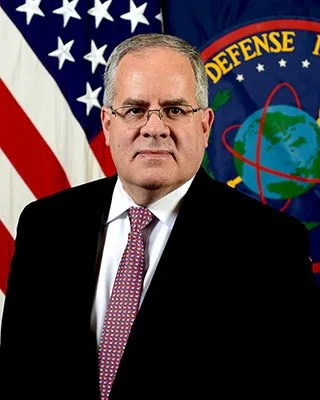
A central point was the need to safeguard sensitive American technologies. Former Acting Director of the Defense Intelligence Agency David Shedd warned about the risks posed by foreign acquisitions of US companies that hold valuable intellectual property, emphasizing that legal commercial deals can effectively transfer strategic technologies just like cyber espionage. He advocated for stricter scrutiny of such investments and strongly opposed allowing Chinese companies flagged as national security threats to benefit from US patent protections.

Questions also arose regarding the security of research partnerships between US universities and Chinese organizations, particularly those linked to China’s military. Experts highlighted that some US institutions receiving federal research funding have formed collaborations with foreign entities posing potential risks. Michael Lucci described this as an escalating concern that threatens national security.
Conversely, advocates like John C. Yang from Asian Americans Advancing Justice stressed that national security and maintaining America’s leadership in science need not conflict. Yang pointed to updated federal disclosure standards on research grants aimed at improving transparency while correcting past policies that unfairly targeted researchers of Chinese descent. He further pressed for immigration reforms to retain top scientific talent in the US, ensuring competitive advantage without alienating key contributors.
Lawmakers also scrutinized changes in federal counterintelligence efforts, worrying that reduced resources could blunt the government’s ability to counter aggressive intelligence operations from China. Shedd cautioned against scaling back capabilities but acknowledged the necessity of reviewing current programs for effectiveness.
Despite differing views on tactics, members from both parties agreed on the gravity of China’s role as a principal long-term strategic competitor. The debate largely revolved around finding the right balance between national security imperatives and protecting the openness that fuels innovation and academic progress.