

US lawmakers have sounded the alarm on China’s aggressive campaign to acquire American artificial intelligence and high-tech innovations by using a multifaceted approach that combines cyberattacks, human intelligence, academic collaborations, and commercial investments. This coordinated strategy is seen as a significant threat to the US’s national security and its position as a global technology leader.
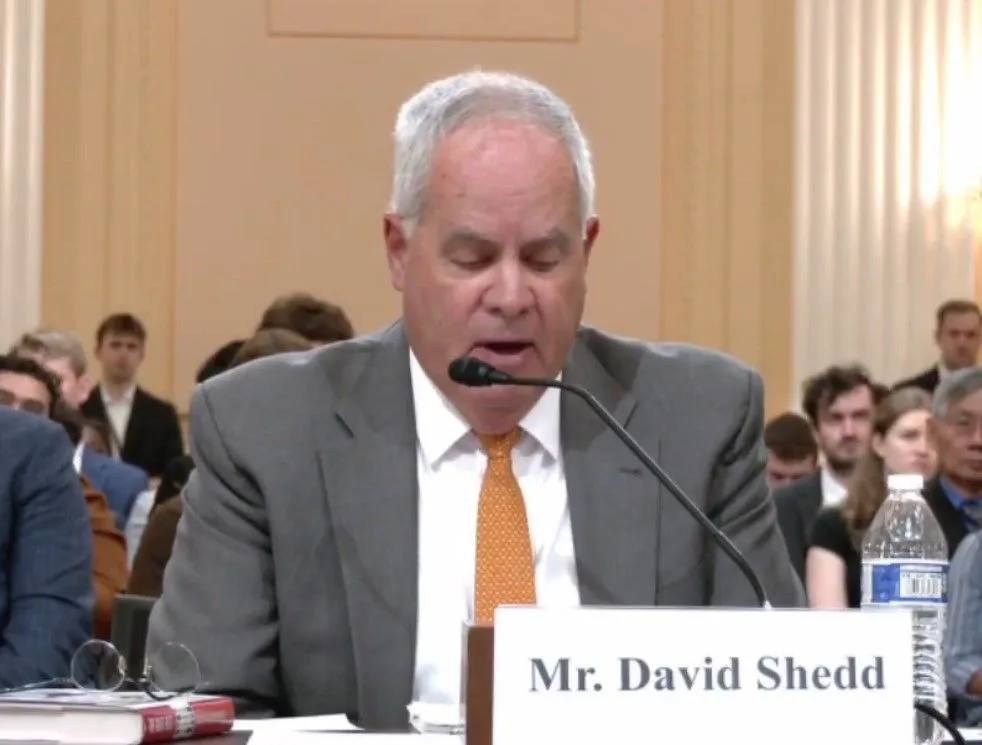
During a hearing of the House Select Committee on the Chinese Communist Party, a former Acting Director of the Defense Intelligence Agency detailed how Beijing has established a comprehensive system to target American companies, universities, and researchers. These efforts focus on cutting-edge sectors including artificial intelligence, telecommunications, biotechnology, quantum computing, and advanced weapons technology.

The official described China’s approach as a blend of cyber espionage and intelligence operations, complemented by academic partnerships and strategic investments aimed at capturing proprietary technologies. Chinese intelligence services have expanded both in size and capability, making corporate America and academic institutions prime targets. This extensive operation has substantially contributed to China's rapid technological and military advancements.
Lawmakers also examined recent reports involving Alibaba, which allegedly employed a "distillation" technique to extract knowledge from a US AI company’s advanced models. This method simplifies data from complex and costly AI models, enabling replication at a fraction of the original investment. Such tactics allow Chinese firms to bypass years of research and development, accelerating their technological progress.
The hearing underscored calls for stronger protections of what was termed the United States’ "crown jewels" of technology. The witness advocated for enhanced collaboration between government agencies and private industry to better safeguard intellectual property critical to national interests.
In addressing immediate steps Congress could take, the official highlighted concerns about platforms like TikTok, recommending stricter enforcement of existing laws to limit China’s access to American user data. This move was presented as a way to increase the cost of China’s influence operations and send a clear message to Beijing.
Washington’s heightened focus on technology stems from its recognition that competition with China now centers largely on strategic dominance in artificial intelligence, semiconductors, quantum computing, and biotechnology—fields with significant commercial and military implications.