

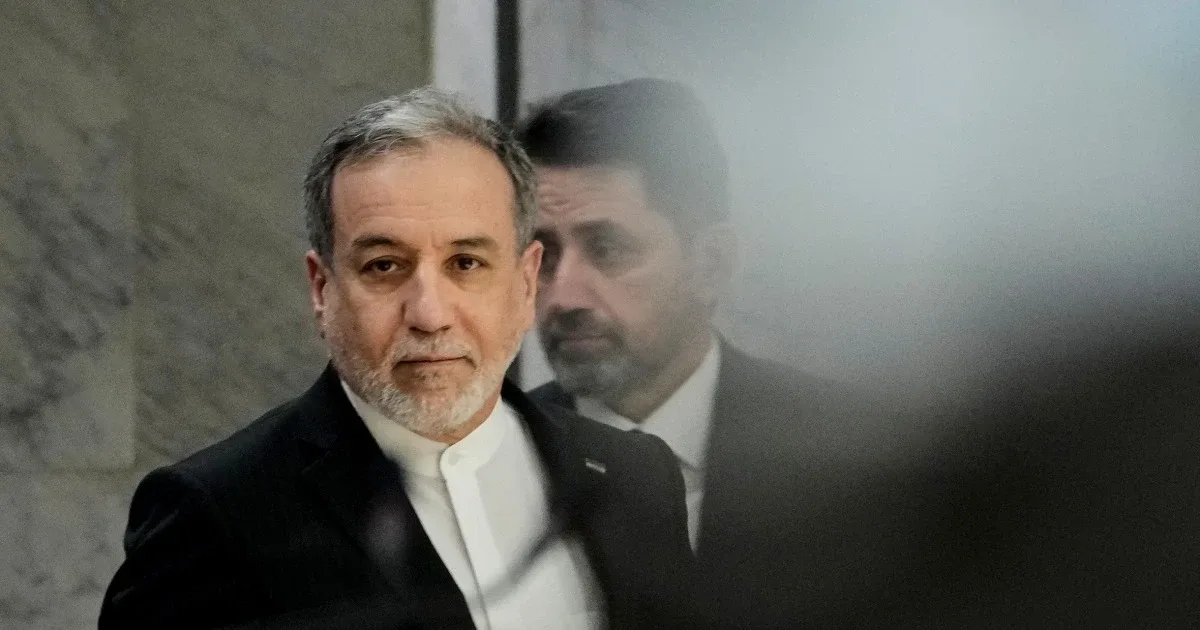
The United States informed Iran, through indirect channels, of a possible Israeli attempt to assassinate two leading Iranian negotiators involved in ceasefire discussions. The warning focused on Foreign Minister Abbas Araghchi and Parliament Speaker Mohammad Bagher Ghalibaf, both considered crucial to maintaining diplomatic engagement amid tensions.
This confidential alert came amid fears that any violent action against these figures could derail the peace negotiations. Officials believed such an attack would shatter the fragile ceasefire and collapse ongoing efforts to resolve the conflict that has embroiled the US, Israel, and Iran.

US authorities refrained from direct public accusations, instead opting to notify regional partners and intermediaries to discreetly pass the warning to Tehran. This careful approach aimed to avoid provoking a diplomatic crisis that might have prematurely ended talks initiated in April 2026, following a ceasefire in the conflict involving US and Israeli forces.
The concerns intensified after reports surfaced of Israeli fighter jets reportedly entering Iranian airspace during the negotiation period, heightening Washington’s anxieties about military pressure potentially undermining diplomacy. Despite the seriousness of the allegations, Israeli officials did not issue an immediate response, leaving the situation unresolved publicly and adding complexity to an already delicate process.
US officials emphasized that dialogue between Washington and Tehran continued, with the White House signaling its commitment to advancing the peace talks despite the precarious environment. The administration under President Donald Trump sought to maintain open channels to prevent a broader escalation in the region while managing the dual risks of failed diplomacy and renewed conflict.