

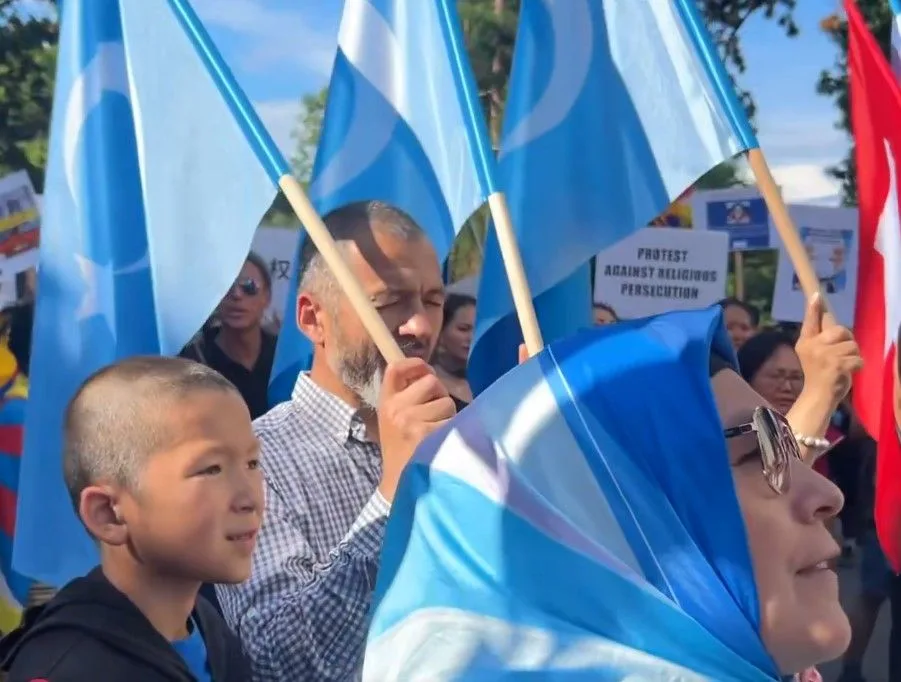
Uyghur advocacy groups have intensified calls for the international community to hold China accountable for the 2009 Urumqi Massacre as the anniversary approaches. They demand Beijing disclose the fate of those killed, disappeared, or detained during the violent crackdown in Xinjiang’s capital, underscoring ongoing human rights concerns in the region.
The World Uyghur Congress (WUC) marked the 17th anniversary of the massacre by remembering the victims of what it described as a harsh government response to peaceful protests. The unrest began on July 5, 2009, when thousands of young Uyghurs marched in central Urumqi, protesting the Chinese authorities' response to a racially charged attack in Shaoguan, Guangdong province, where two Uyghurs were killed by Chinese factory workers. What started as peaceful demonstrations swiftly escalated into a security crackdown by Chinese police, resulting in numerous casualties and disappearances over the following days.

WUC leaders emphasize the massacre as a turning point that intensified repression of the Uyghur minority, setting the stage for further abuses that some characterize as genocide. They argue that the lack of transparency regarding victims weakens global efforts to address systemic violations in Xinjiang.
Similarly, the Uyghur Human Rights Project (UHRP) has pressed Chinese authorities to provide clear information about the number of Uyghurs killed, injured, or detained during the crackdown and its aftermath. According to the UHRP, families of the victims remain in the dark about the fates of their loved ones, with many still awaiting answers after years of silence from Beijing.
The UHRP describes the events of July 5 as a pivotal moment that enabled an escalation of oppressive policies, including mass detentions, forced labor, and family separations across Xinjiang. The organization highlights how impunity following the crackdown fostered a climate where repressive measures could worsen unchecked.
These appeals by Uyghur groups reflect broader demands for justice and highlight continuing international concerns over China's human rights record in Xinjiang, where allegations of cultural suppression, mass incarceration, and abuses have drawn widespread condemnation.